





Slurp up the bold, spicy comfort of Japanese Tan Tan Ramen—creamy sesame broth meets fiery chili oil in every soul-warming bite!
Jump to:
What is Japanese Tan Tan Ramen
Japanese Tan Tan Ramen is a delightful, spicy noodle soup inspired by Sichuan's famous Dan Dan noodles. It's packed with bold, fiery flavors balanced beautifully with creamy broth, nutty sesame paste, and savory stir-fried pork. Each spoonful delivers a comforting burst of spicy heat, creamy texture, and incredible umami taste.
Where is Japanese Tan Tan Ramen from?
Japanese Tan Tan Ramen originates from China’s Sichuan province but was warmly embraced and adapted by Japanese cuisine, becoming an iconic dish especially popular in ramen shops across Japan.
How to Make It
Crafting your own bowl of Japanese Tan Tan Ramen is surprisingly simple. You'll stir-fry seasoned ground pork, simmer a creamy, spicy broth with peanut butter and soy sauce, then top it all off with perfectly cooked ramen noodles and fresh, crunchy garnishes.
Ingredients
For the Pork & Marinade
- Ground pork: Adds savory flavor and satisfying texture.
- Garlic, minced: Enhances aroma and depth of flavor.
- Ginger, grated: Offers a bright, spicy kick.
- Mirin: Adds sweetness and subtle complexity.
- Spicy chili bean paste (Sichuan doubanjiang): Brings essential heat and authentic Sichuan flavor.
- Vegetable oil: Helps evenly cook and crisp the pork.
For the Soup Base
- Soy sauce: Provides salty, umami richness.
- Peanut butter: Creates a creamy, nutty texture.
- Chili oil: Adds spicy warmth and vibrant color.
- Rice wine vinegar: Balances flavors with acidity.
- Sugar: Softens spiciness and enhances balance.
- Chicken stock: Serves as the flavorful broth base.
- Unsweetened oat milk, soy milk, or cashew milk: Provides creamy consistency without overpowering flavors.
For the Ramen Noodles
- Japanese ramen noodles: Offers authentic chewy texture and absorbs flavors wonderfully.
For the Toppings
- Bok choy: Adds freshness and crunch.
- Canned or fresh corn, drained: Sweet contrast to spicy flavors.
- Green onion/scallion, chopped: Adds fresh bite and vibrant color.
- Sesame seeds: Provides subtle nutty aroma and texture.
Steps
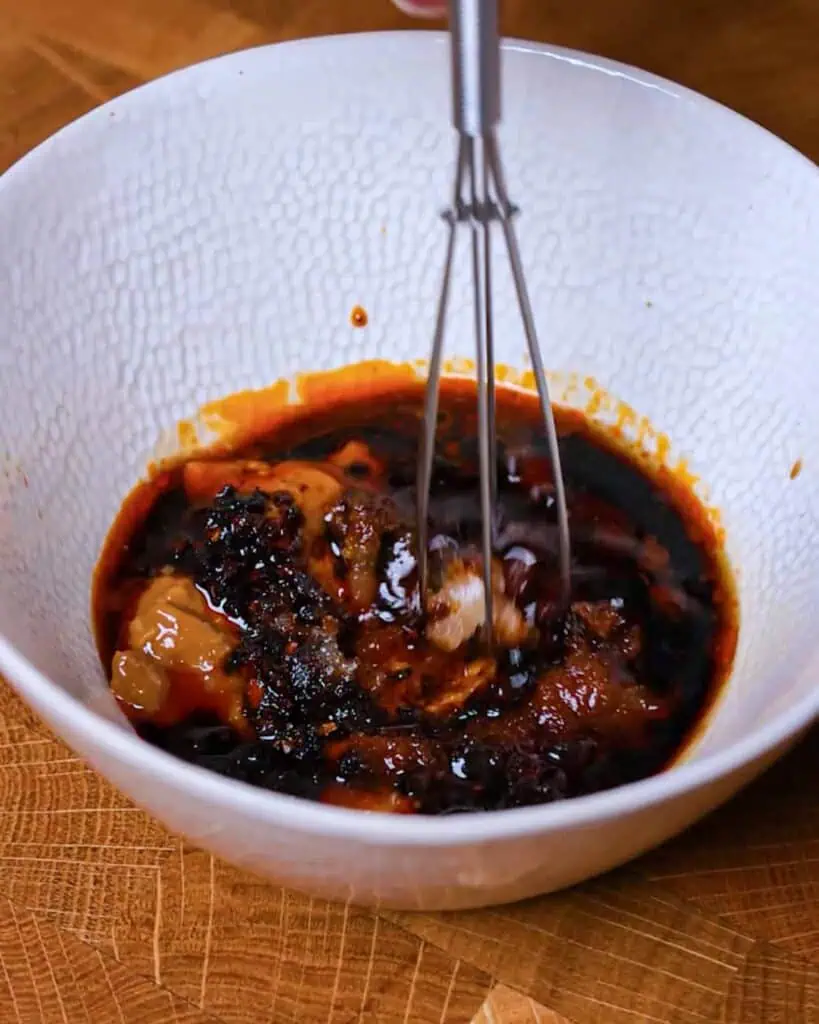
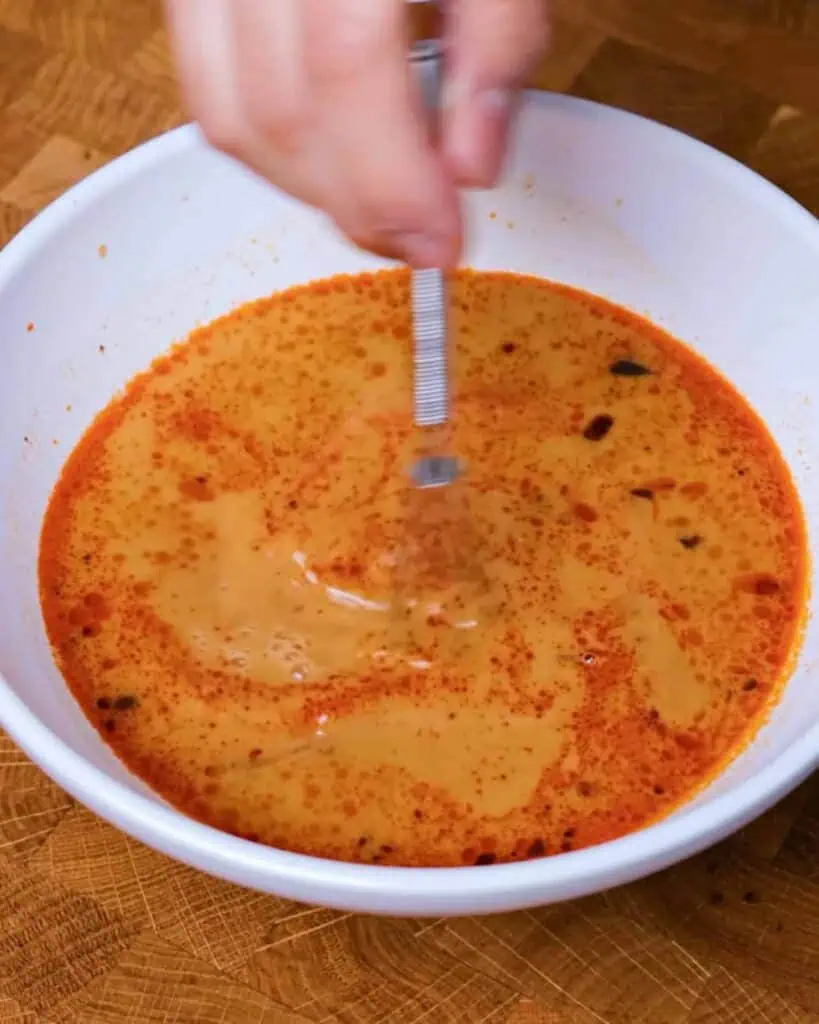
- Mix soy sauce, peanut butter, rice wine vinegar, sugar, and chili oil until smooth to make the tare sauce.
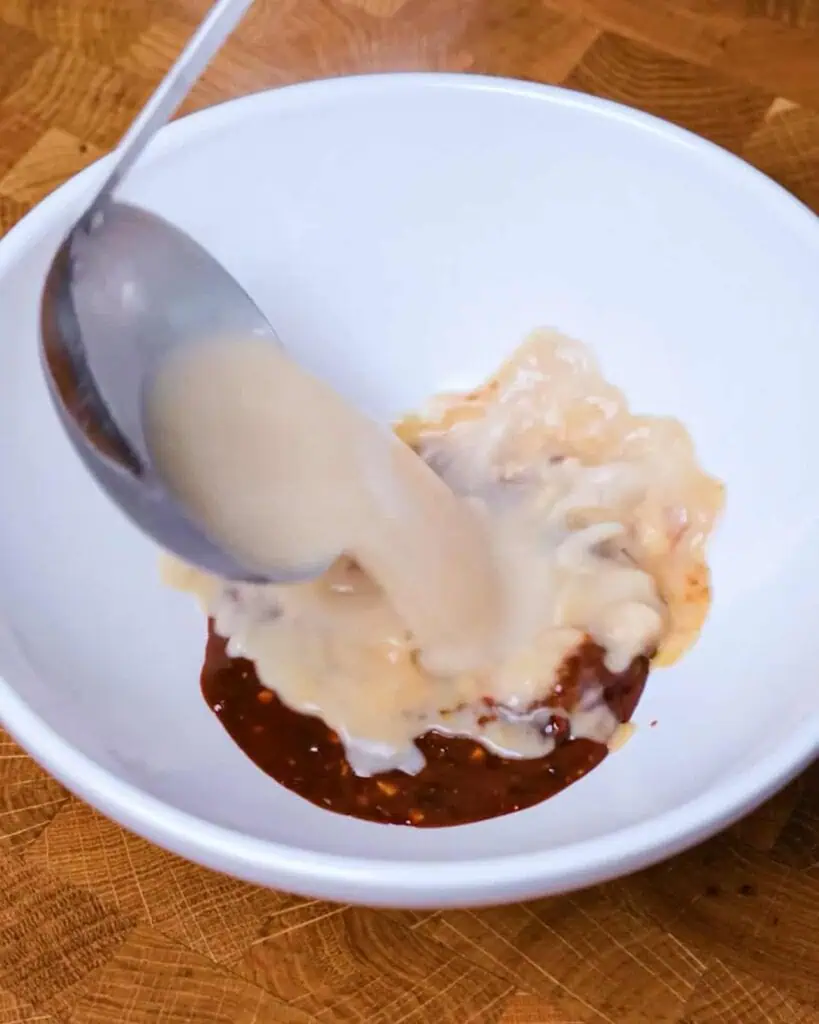
- Simmer chicken stock and chosen milk on low heat, covering to keep warm.

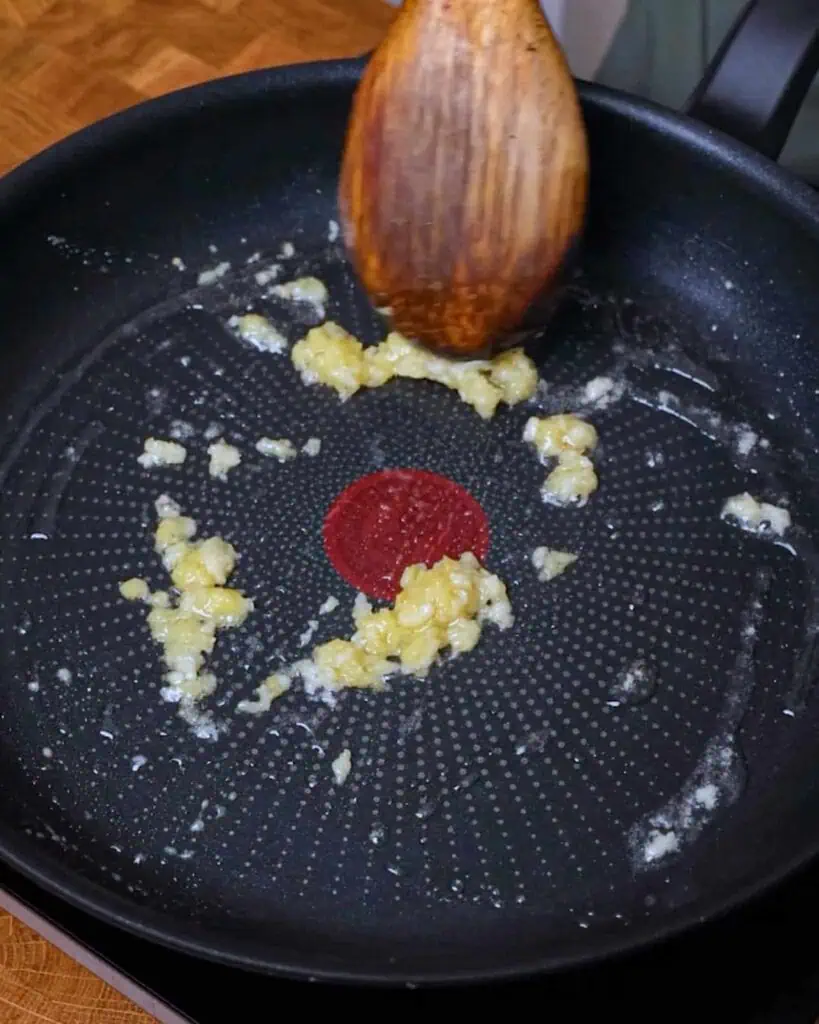
- Heat vegetable oil over medium heat in a pan.
- Stir-fry garlic and ginger until fragrant (about 30 seconds).
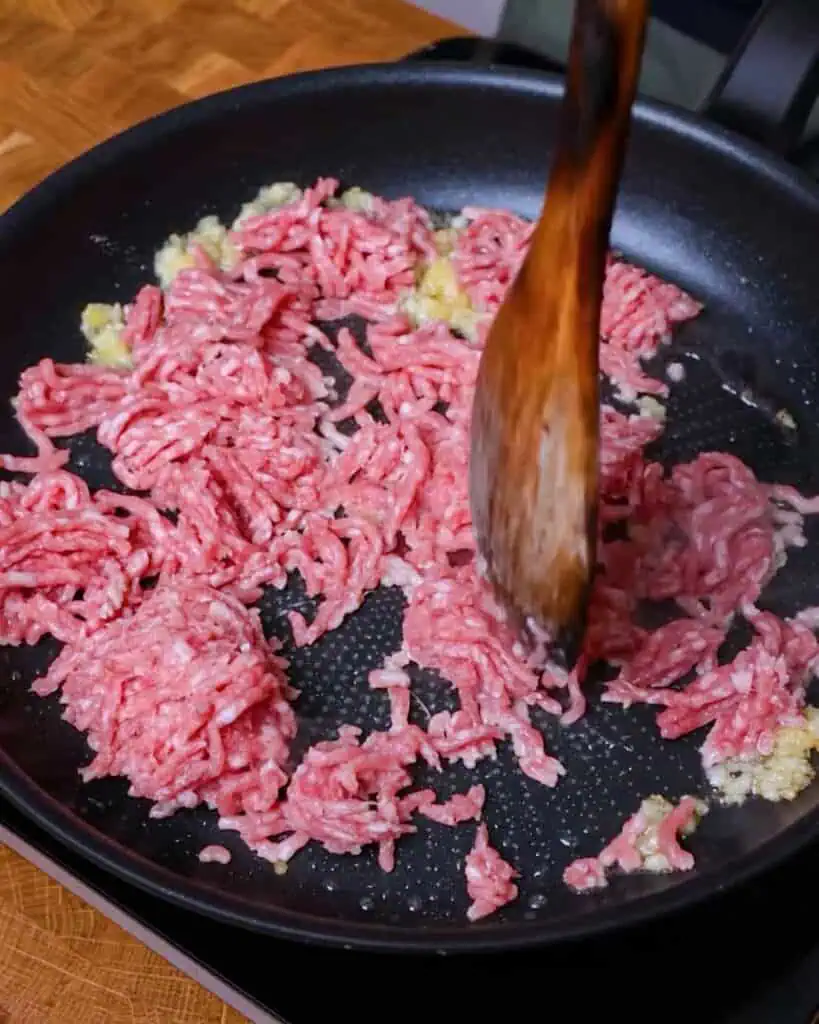
- Add ground pork, cooking until crispy and browned.
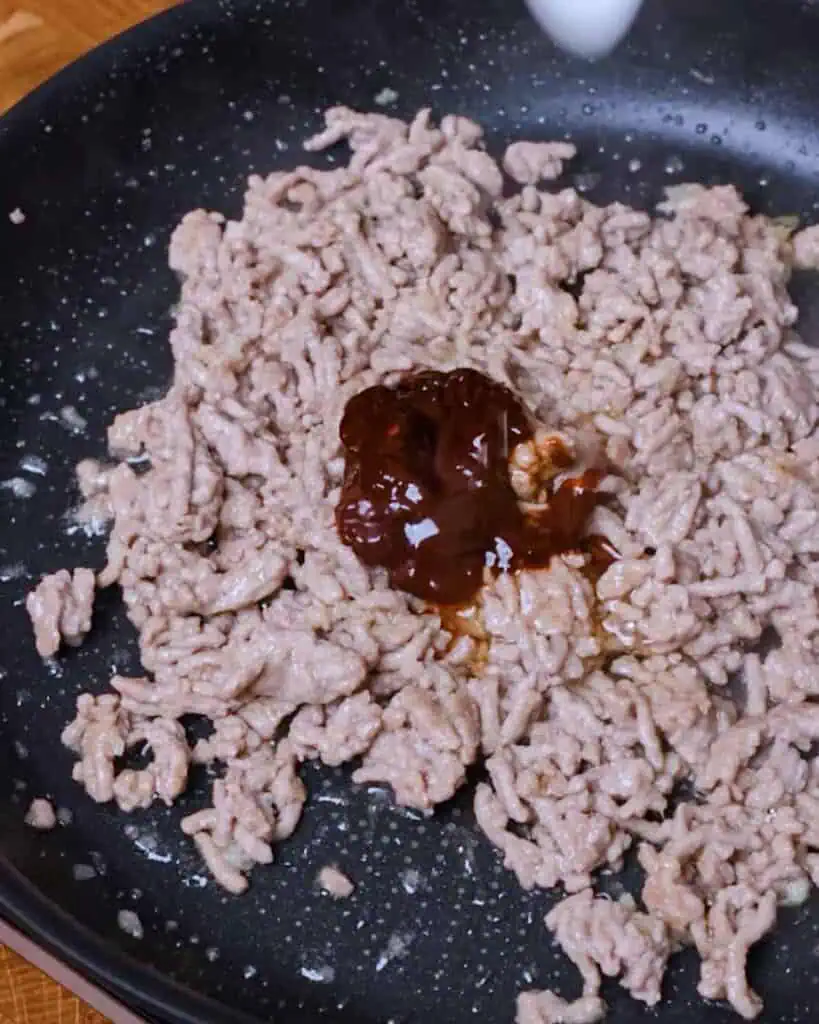
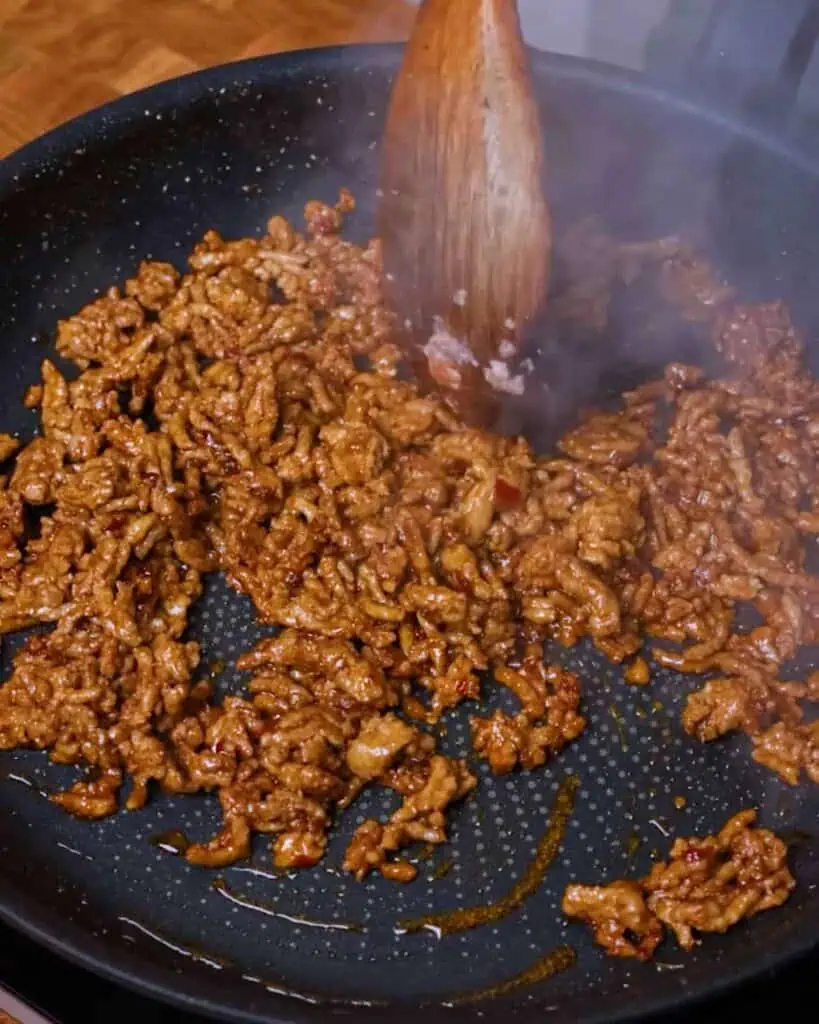
- Add mirin and spicy chili bean paste, stirring thoroughly.
- Blanch bok choy in boiling water for 30 seconds, then drain.
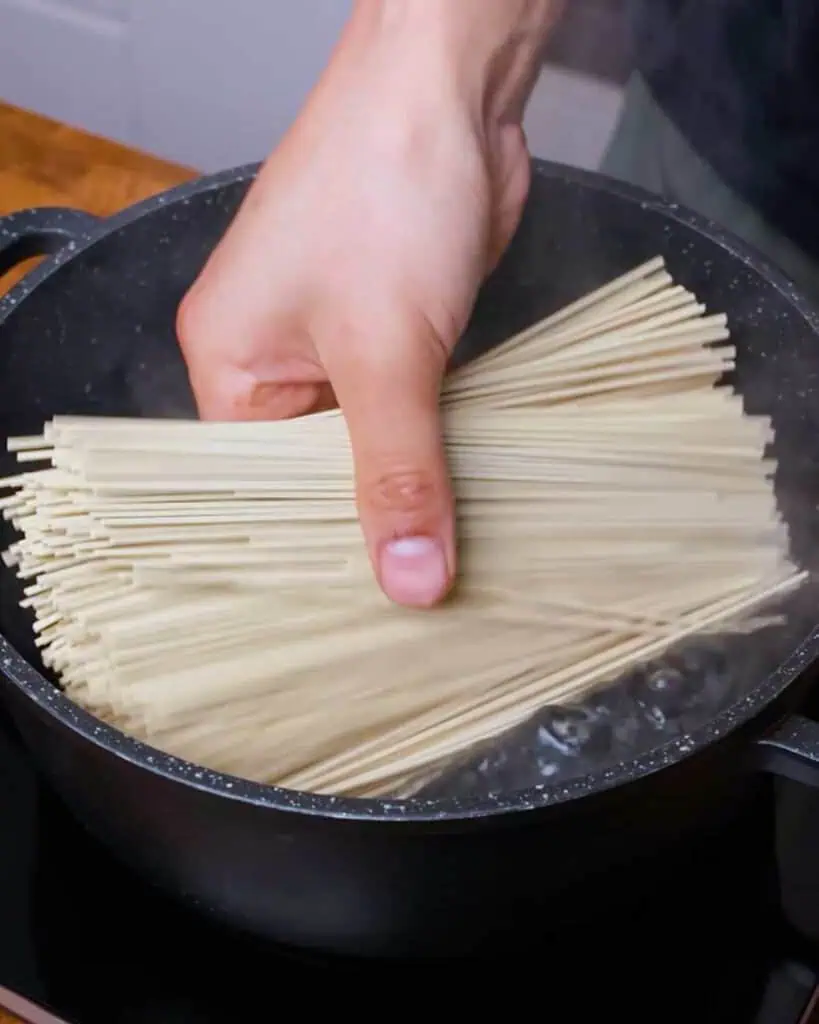
- Cook ramen noodles per package instructions, drain, and set aside.
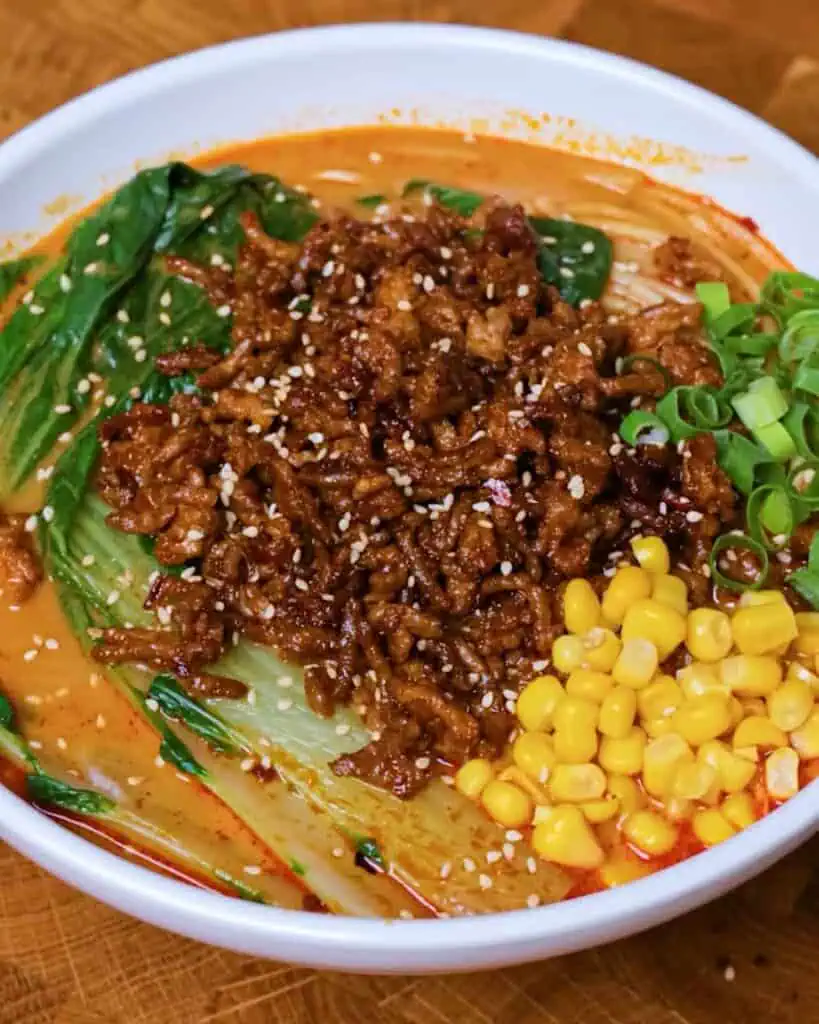
Assemble:
- Combine tare sauce and stock mixture in bowls.
- Add cooked Japanese ramen noodles.
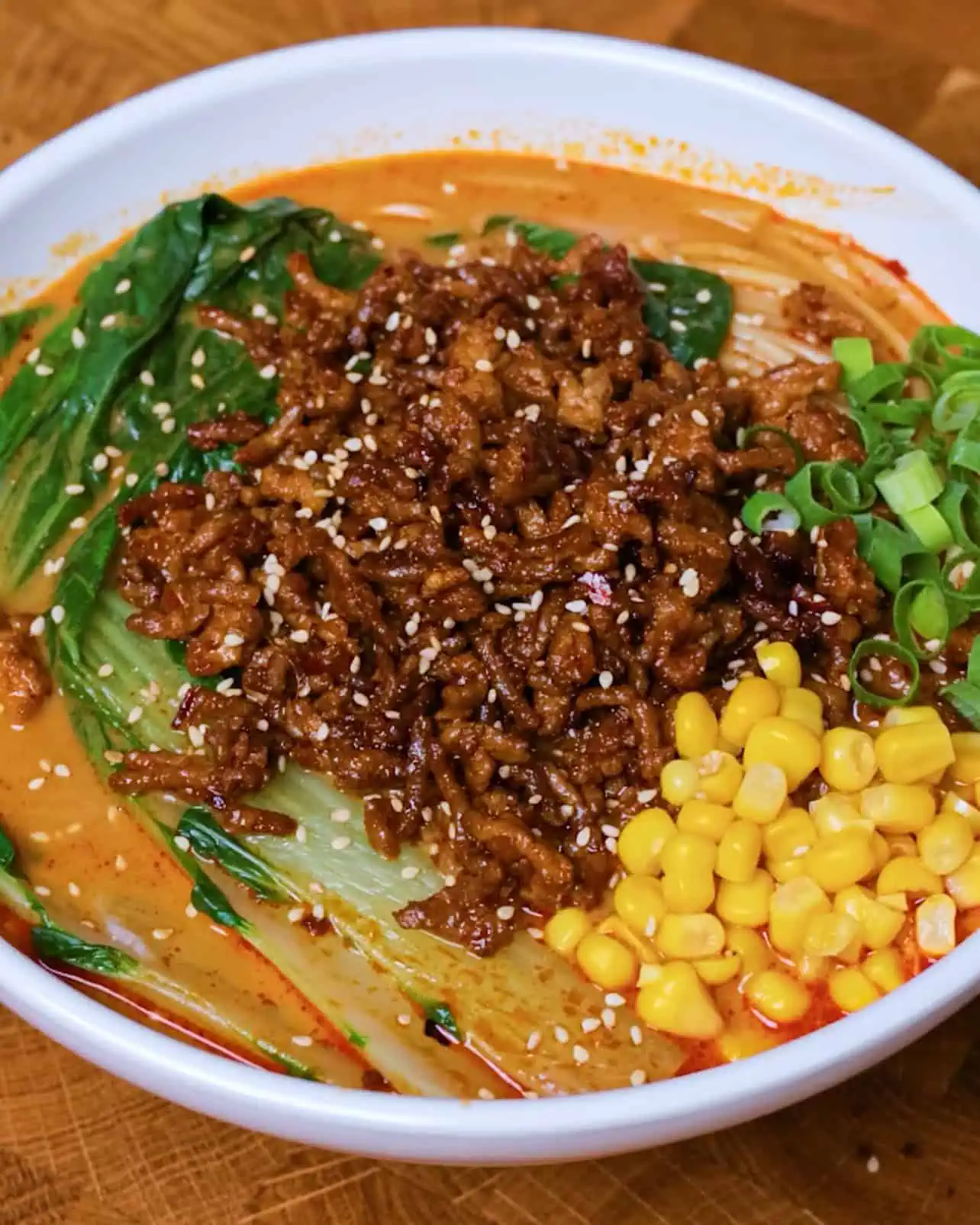
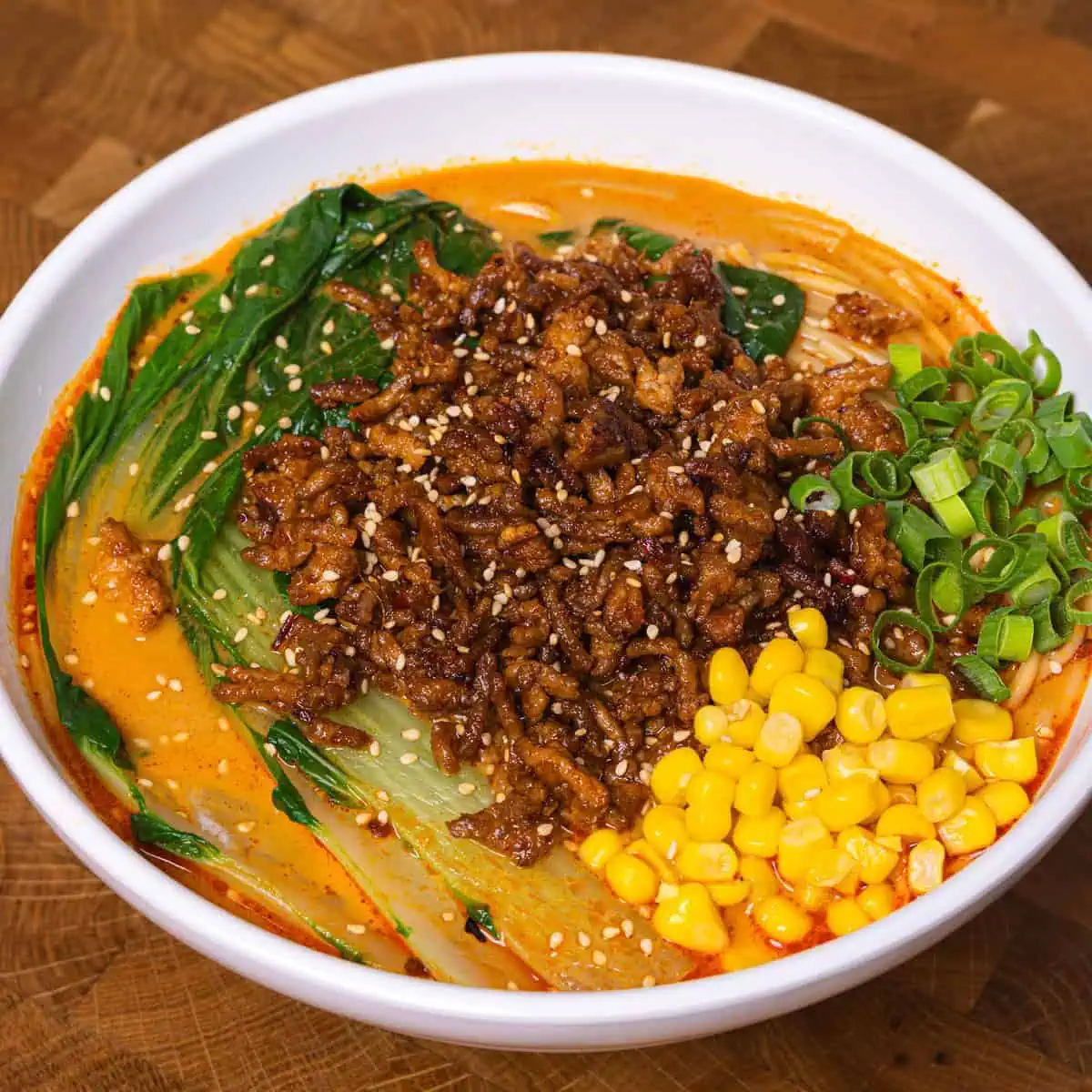
- Top noodles with stir-fried pork, bok choy, corn, green onions, a soft-boiled egg, and optional nori seaweed.
- Garnish with sesame seeds and drizzle additional chili oil.
Tips for Making the Best Japanese Tan Tan Ramen
Choose the Right Noodles
Selecting authentic Japanese ramen noodles ensures the dish’s perfect chewy texture and optimal flavor absorption. Avoid overly thin or soft noodles to maintain the dish's satisfying texture.
Balance the Broth Flavors
For the best ramen broth, balance spiciness, creaminess, and umami carefully. Taste frequently and adjust seasoning gradually, ensuring each flavor complements rather than dominates.
Prepare Toppings Thoughtfully
Arrange toppings thoughtfully to enhance flavor and presentation. Each bite should be a flavorful, balanced combination of spicy pork, fresh greens, crunchy corn, and soft egg.
Serving Suggestions and Storage
Serving Suggestions
Serve your Japanese Tan Tan Ramen hot and fresh, pairing it with crispy spring rolls or a cool cucumber salad to balance the spicy richness. Enhance your dining experience with chilled sake or iced green tea.
Storage Tips
Store leftover broth and pork separately in airtight containers in the refrigerator for up to three days. Freshly cook noodles and toppings just before reheating and serving to maintain their texture.
Variations of Japanese Tan Tan Ramen
Vegetarian Version
Swap ground pork for stir-fried mushrooms or tofu. Substitute vegetable broth for chicken stock, creating a hearty and flavorful vegetarian version without losing the spicy, creamy charm.
Gluten-Free Option
Replace regular soy sauce with gluten-free tamari and opt for gluten-free noodles like rice ramen noodles. This simple swap makes your ramen safe and enjoyable for gluten-sensitive eaters.
Spicier Adaptation
For heat seekers, add extra Sichuan peppercorns or more spicy chili bean paste. A drizzle of additional Japanese chili oil on top will elevate the spice level deliciously.
Common Mistakes to Avoid
Overcooking the Noodles
Avoid overcooking ramen noodles, which can turn mushy. Stick closely to package directions, cooking just until al dente to preserve their perfect chewy texture.
Skipping the Sesame Paste
Sesame paste or peanut butter is vital for creating the creamy, nutty broth that defines Japanese Tan Tan Ramen. Don’t skip or skimp on this key ingredient.
Neglecting to Season the Pork
Always thoroughly season the pork. Bland pork will make the entire dish feel less flavorful, compromising the overall balance and enjoyment of your ramen.
Frequently Asked Questions
What is the origin of Japanese Tan Tan Ramen?
Japanese Tan Tan Ramen has roots in Sichuan, China, inspired by Dan Dan noodles. It was adapted in Japan, developing its distinct, creamy, spicy character.
Can I make Tan Tan Ramen less spicy?
Absolutely! Reduce or omit the chili oil and Sichuan peppercorns according to your spice tolerance. You’ll still enjoy the creamy, savory deliciousness of the broth.
Is it possible to prepare components in advance?
Definitely! Prepare the pork and broth base ahead of time, storing separately. This ensures easy assembly and optimal freshness when you're ready to serve your ramen.
Let’s Wrap It Up
And that’s it! You've got yourself a delicious shrimp fried rice ready in under 20 minutes. Trust me, this recipe is going to become one of your go-tos for busy days or when you just want something comforting and tasty.
I can’t wait to see your versions of this dish! If you give it a try, tag me on Instagram (@geniuseatss) and show me how it turned out. I love seeing your creativity in the kitchen—it seriously makes my day. You guys rock!
Happy cooking, and I’ll catch you in the next one!
PrintJapanese Tan Tan Ramen

Slurp up the bold, spicy comfort of Japanese Tan Tan Ramen—creamy sesame broth meets fiery chili oil in every soul-warming bite!
- Prep Time: 15 minutes
- Cook Time: 15 minutes
- Total Time: 30 minutes
- Yield: 2 servings 1x
- Category: Noodles
- Method: Easy
- Cuisine: Chinese
Ingredients
FOR THE PORK & MARINADE:
- 250g of ground pork or any ground meat
- 3 cloves of garlic, minced
- 2 tsp of ginger, grated
- 1 tbsp of mirin
- 1 tbsp of spicy chili bean paste (Sichuan doubanjiang)
- 1 tbsp of vegetable oil
FOR THE SOUP BASE:
- 2 tbsp of soy sauce
- 30g of peanut butter
- 5 tbsp of chili oil
- 1 tsp of rice wine vinegar
- 1 tsp of sugar
- 2 cups of chicken stock
- 2 cups unsweetened oat milk, soy milk or cashew milk
For the Ramen Noodles
- 2 servings of Japanese ramen noodles
For the Toppings
- 2 portions of bok choy
- Canned or fresh corn, drained
- Green onion/scallion, chopped
- Sesame seeds
Instructions
- To make the tare for the soup base, mix together the soy sauce, peanut butter, rice wine vinegar, sugar, and chili oil until smooth. Set aside.
- In a pot, combine the chicken stock and milk of choice over low heat, bring to a simmer and cover to keep warm.
- In a pan, heat the oil over medium heat.
- Add garlic, ginger and stir fry until fragrant for 30 seconds.
- Add the ground meat to the pan and cook until the bits of ground meat are crispy and browned.
- Then, add mirin and spicy bean sauce. Cook for another minute. Turn off the heat and set aside.
- Add the bokchoy to a boiling water, blanch for 30 seconds, drain it and set aside.
- Next, cook the ramen noodles according to the package directions and set aside.
Assemble:
- In a bowl, combine the tare sauce and the stock mixture.
- Add 1 serving of organic Japanese ramen noodles.
- Top the noodles with ground meat, bokchoy, corn, scallions, soft boiled egg and nori seaweed.
- Garnish with sesame seeds, drizzle with more chili oil and enjoy!
Want more? Browse every noodle recipe in one place.


Alex
This was so so delicious ?. Definitely would recommend anyone to make this. It’s so quick and more than worth it.
droversointeru
I have read a few good stuff here. Definitely value bookmarking for revisiting. I surprise how so much effort you put to create this kind of excellent informative web site.
Eleanore
Its like you read my mind! You seem to know a lot about
this, like you wrote the book in it or something.
I think that you could do with a few pics to drive the message home
a little bit, but instead of that, this is great blog.
An excellent read. I'll certainly be back.