





Make authentic Gyudon (Japanese Beef Rice Bowl) with ribeye, savory broth, and fluffy rice. Quick recipe with expert chef tips!
Jump to:
- What Makes Gyudon (Japanese Beef Rice Bowl) So Special?
- The Ingredients You’ll Need
- Step-by-Step Gyudon Cooking Guide
- Why Ribeye Is My Go-To Beef
- Perfect Rice: Chef’s Secret
- Chef Tip: Customizing Your Gyudon
- Storing and Reheating Tips For Gyudon (Japanese Beef Rice Bowl)
- Common Mistakes to Avoid
- Frequently Asked Questions (FAQs)
- Final Words
- Quick & Easy Gyudon (Japanese Beef Rice Bowl) Recipe
Hey there, it’s Genius, and today I’m back with another flavorful dish which is Gyudon, or Japanese Beef Rice Bowls. I absolutely love this dish—it’s simple, satisfying, and packed with flavor. If you’ve ever been to Japan or even a Japanese food court, you’ve probably tasted this comforting bowl of deliciousness. Well, now it’s time to bring it into your own kitchen.
Let me walk you through the whole process, and I’ll sprinkle in some of my best chef tips along the way to make sure you nail it on your first try. You’ll be serving up Gyudon like a pro in no time!
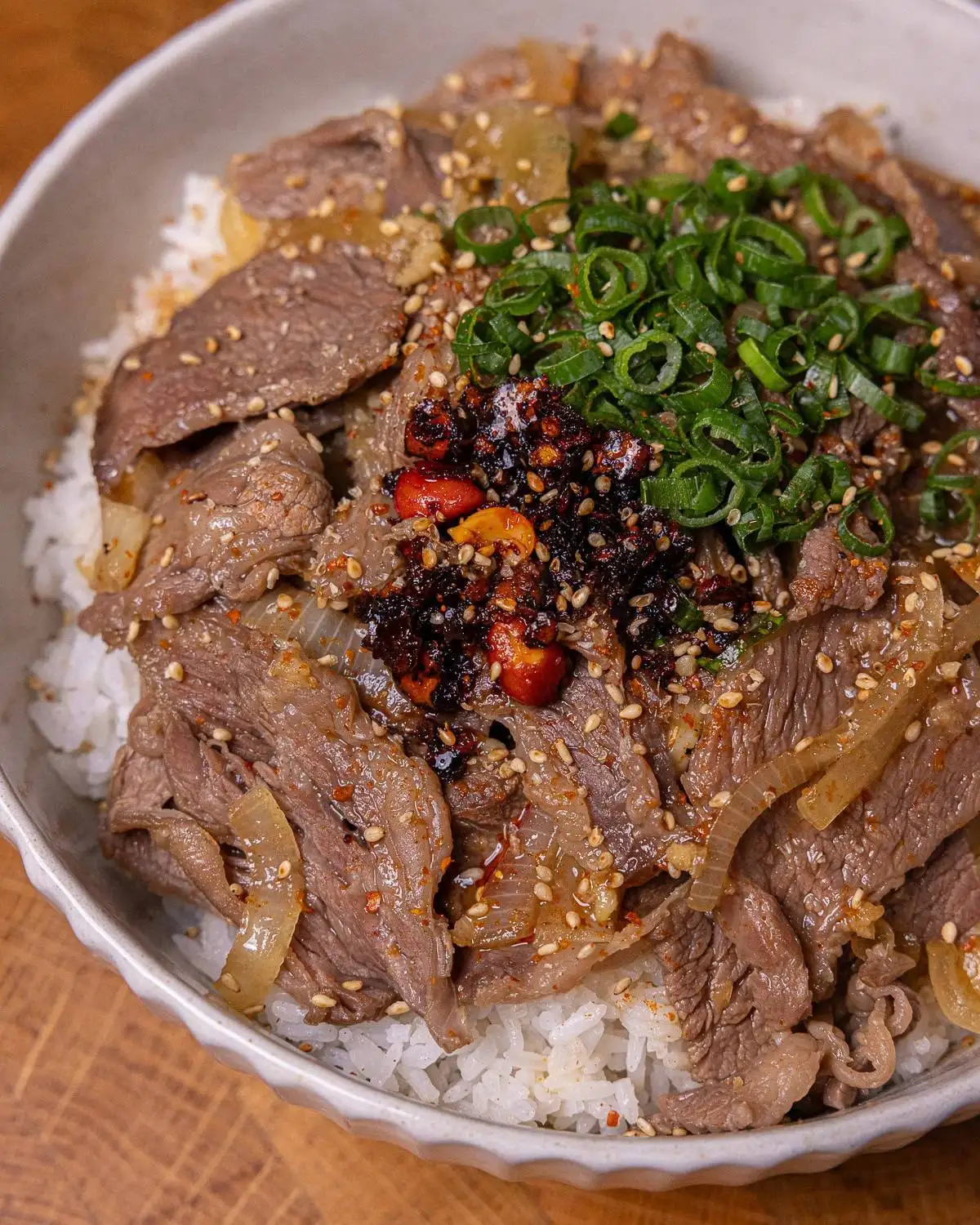
What Makes Gyudon (Japanese Beef Rice Bowl) So Special?
Gyudon is all about balance. It’s that perfect combination of tender beef, sweet mirin, salty soy sauce, and a hint of sake. And of course, it’s served over a bowl of fluffy short-grain rice. You’ve got that juicy, simmered beef soaking into the rice—what’s not to love?
What I really appreciate about Gyudon is how fast it comes together—just a few minutes of cooking and you’ve got yourself an amazing meal that’s as comforting as it is tasty.
The Ingredients You’ll Need
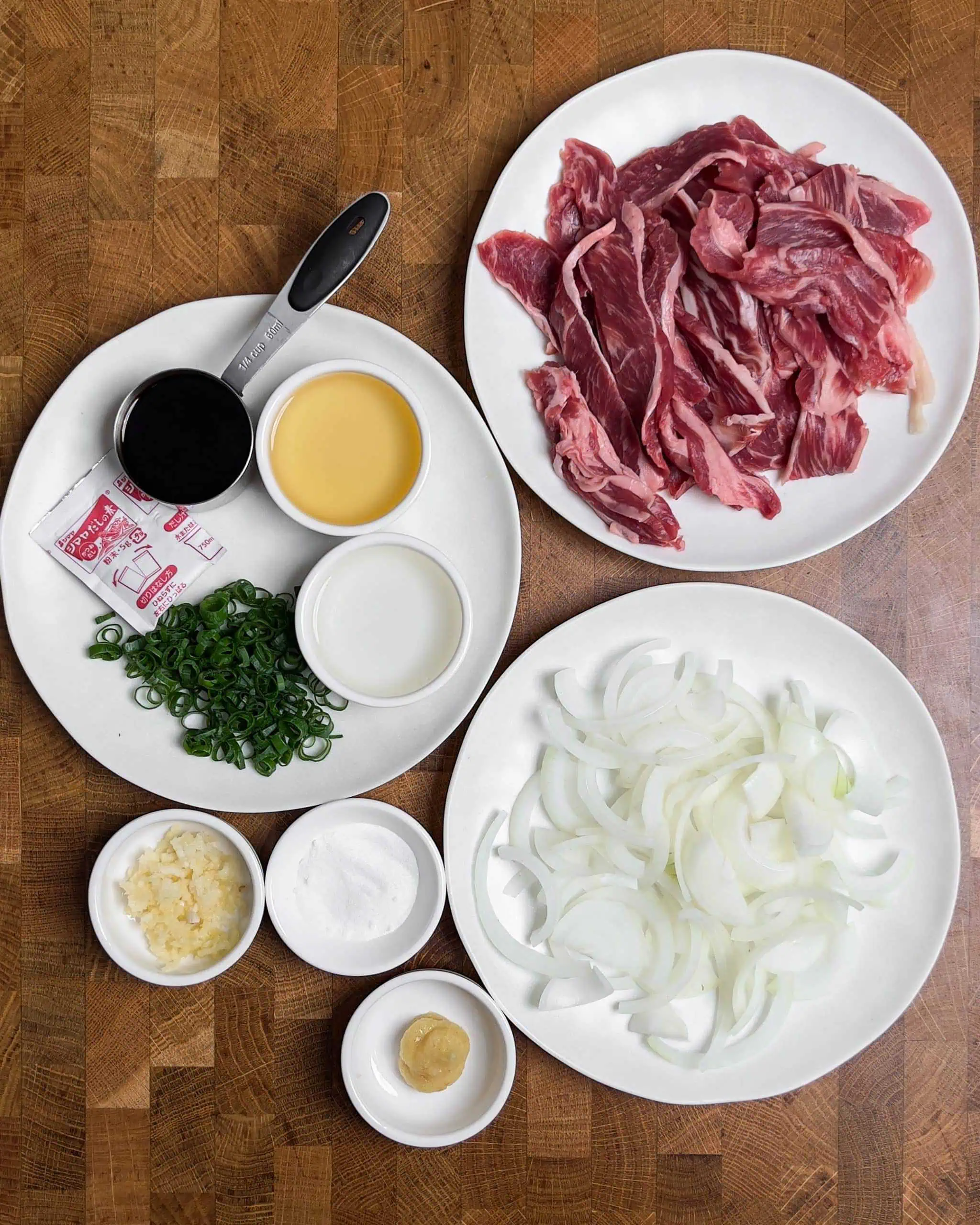
So let’s get down to business. Here’s what you’ll need to make the most delicious Gyudon:
- 500g of sliced beef: I go for ribeye steak because it’s my favorite—so tender and juicy. Trust me, it makes all the difference in the dish. The richness of the marbled beef adds incredible flavor, and it’s what really brings everything together.
- 1 onion, thinly sliced: A thinly sliced onion does wonders in this dish. It becomes soft and sweet once it cooks down, adding that natural sweetness to balance all the savory flavors.
- 3 cloves of garlic, minced: Garlic is a must! Minced garlic releases all those beautiful aromas when it hits the heat. It brings a depth of flavor that’s subtle but so important.
- 1 teaspoon of ginger, grated: A little ginger goes a long way. It gives the dish that slight warmth and a bit of zest, which lifts everything and adds a fresh kick.
- ½ cup of water: Water helps balance the sauce and creates that perfect consistency. You want it to be just enough to allow the flavors to come together without being too watery or too thick.
- 5 tablespoon of soy sauce: Soy sauce is the backbone of this dish. It’s salty, rich, and umami-packed. I love the depth it adds to the sauce—it really makes the flavors pop.
- 4 tablespoon of mirin: Mirin gives a sweet, delicate flavor that rounds out the saltiness of the soy sauce. It’s like the magic ingredient that takes the dish to the next level, giving it that perfect balance of sweet and savory.
- 4 tablespoon of sake: Sake brings another layer of complexity. It’s a bit fruity and smooth, and it helps to tenderize the beef while infusing it with a subtle sweetness that complements everything else.
- ½ teaspoon of dashi powder: or Japanese soup stock: This is where the true flavor base comes from. Dashi powder adds a savory, oceanic depth that elevates the whole dish, bringing that authentic umami taste.
- 1 tablespoon of sugar: Sugar helps to balance the flavors—especially with all the salty and savory ingredients. It just adds a hint of sweetness that makes the dish so crave-worthy.
There you go! These ingredients are all about layering flavors to create something super satisfying. You’ll notice how they work together in harmony, making each bite a little more delicious than the last.
Now, a quick chef tip: Make sure your beef is sliced thinly. Thin slices cook super quickly and soak up all the delicious flavors in the broth. I personally like to use ribeye because it’s got a nice balance of fat, but if you want a leaner option, sirloin works great too.
Step-by-Step Gyudon Cooking Guide
Now that we’ve got everything ready, let’s get cooking! Here’s how we do it:
Start with the broth
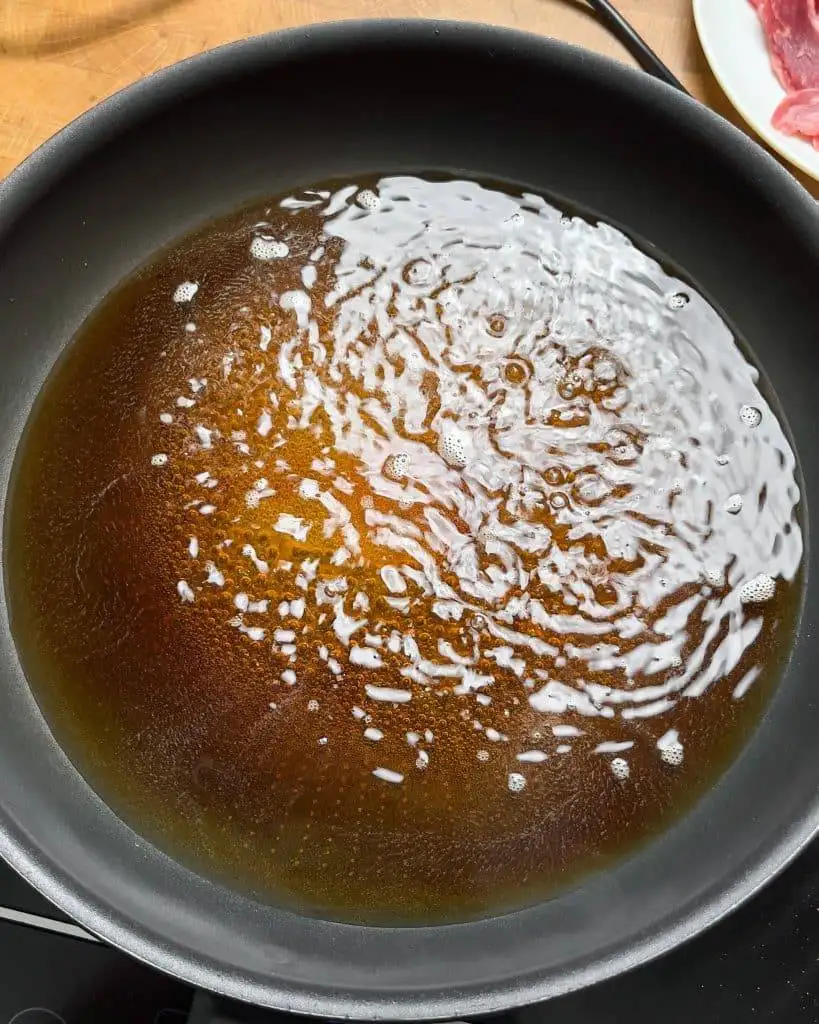
- In a pan, combine the water, soy sauce, mirin, sake, dashi powder, and sugar. Bring it to a gentle simmer over medium heat. This broth is the heart and soul of Gyudon—take your time to let it mix together. I like to let it simmer for a couple of minutes to really allow the flavors to meld.
Add garlic, ginger, and onions
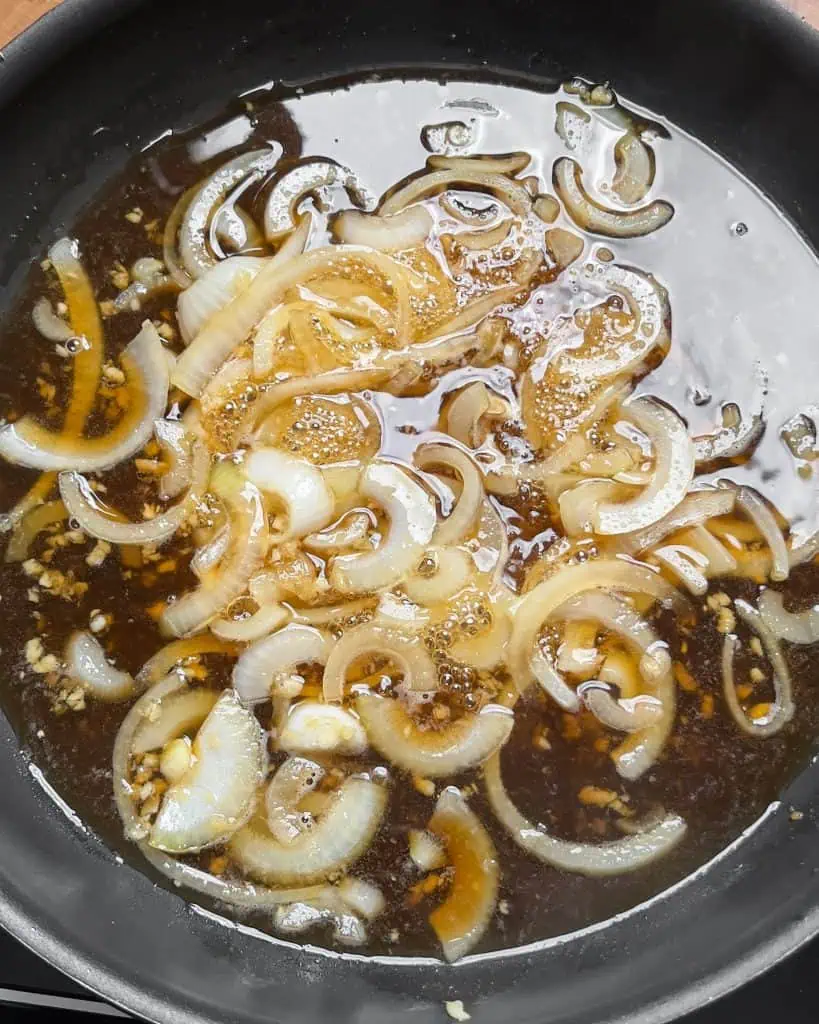
- Once that broth is simmering nicely, add the minced garlic, grated ginger, and sliced onion. Now, here’s a pro tip: Don’t rush this part! Let the onions soften and caramelize just a bit, about 5 minutes, so you get that sweet, savory depth. Trust me, it makes all the difference in the final dish.
Add the beef
- Now for the fun part—add your sliced beef. It will cook quickly, so keep an eye on it. I usually cook it for about 3-4 minutes until the beef is just cooked through. Here’s another
- Chef tip: Make sure you don’t overcook the beef. The goal is to have it tender and juicy, not dry or tough. That’s why we use thin slices—they cook up perfectly in just a few minutes.
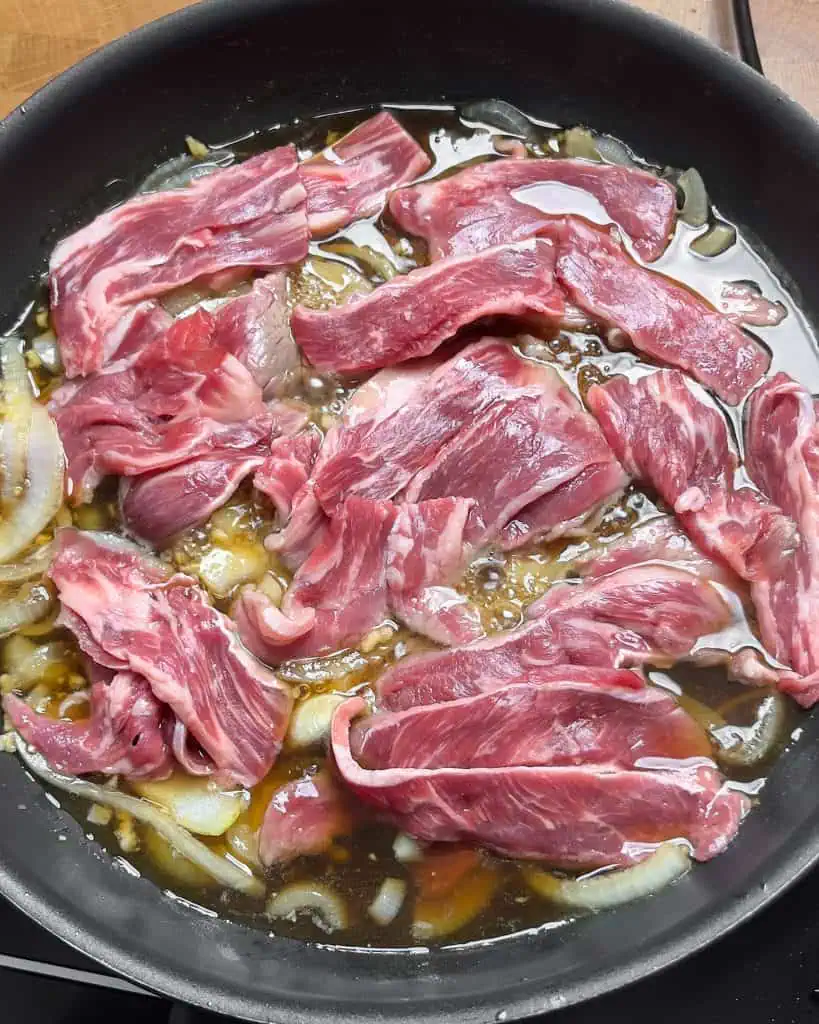
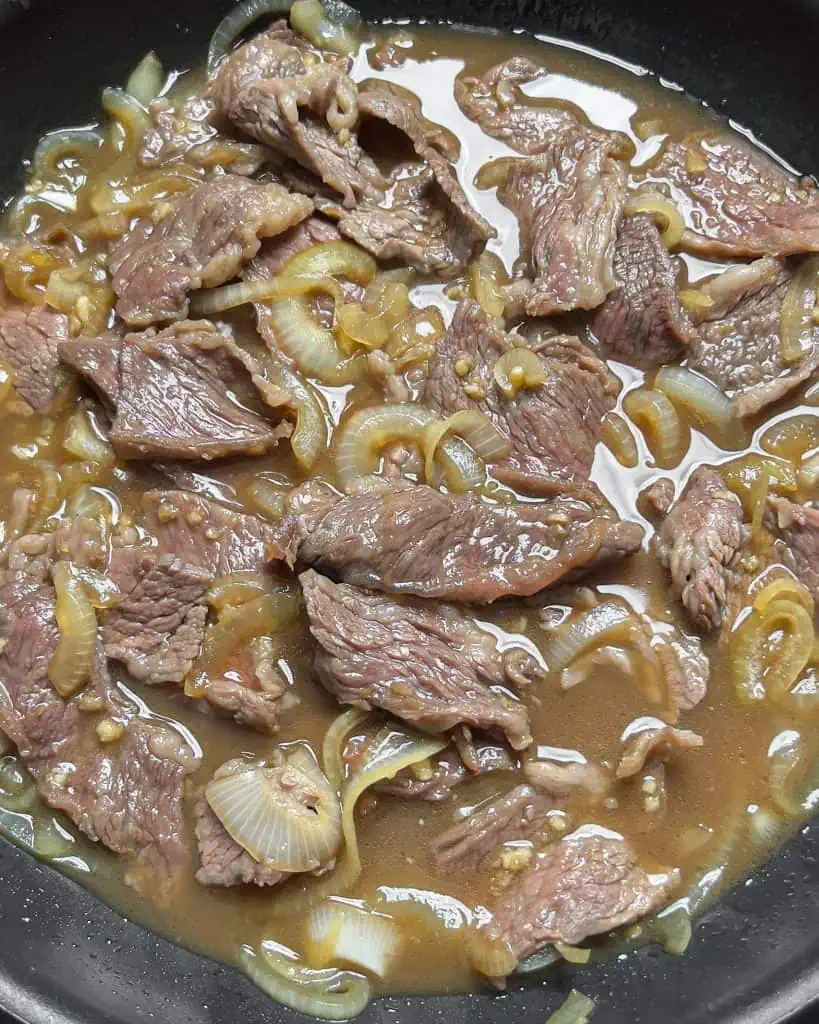
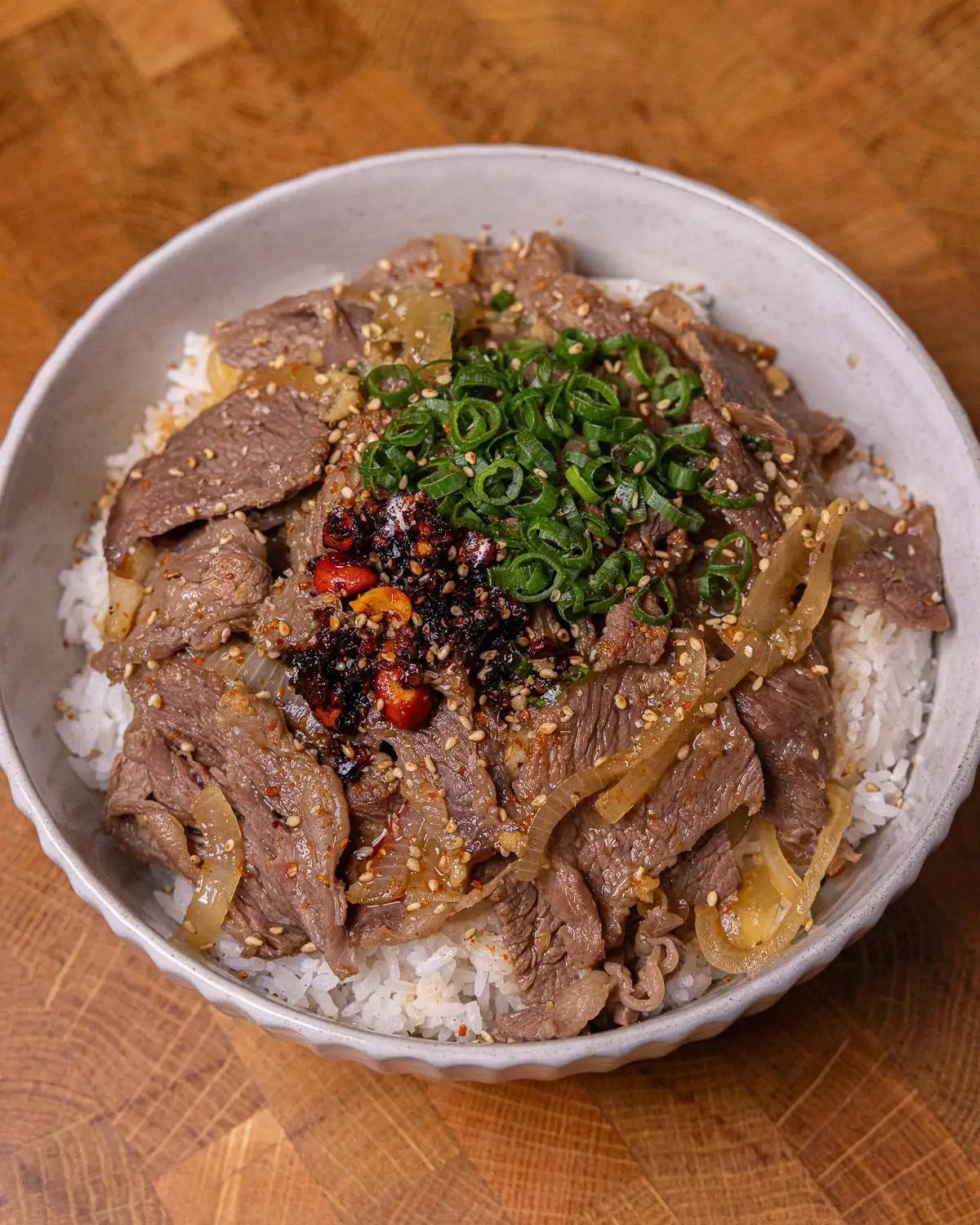
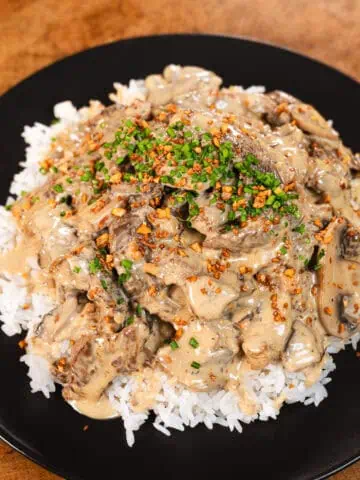
- Serve it up: Once the beef is cooked, grab your steamed rice and spoon the beef and broth right over it. You can garnish it with some freshly chopped spring onions, sesame seeds, and a drizzle of chili oil if you want a bit of heat. I personally love the kick of chili oil, but it’s totally optional. And voilà! Your Gyudon is ready to serve.
Why Ribeye Is My Go-To Beef
Okay, let’s talk about the beef for a second. I always go with ribeye for Gyudon—here’s why: It’s got that perfect marbling, which means tons of flavor and tenderness. When you cook it up in the broth, that little bit of fat melts into the sauce, making it richer and more flavorful. Trust me, ribeye is worth it.
But if you can’t find ribeye, don’t sweat it. You can totally use sirloin or any other thinly sliced beef. Just make sure it’s tender, because the quick cooking is key to getting that melt-in-your-mouth texture.
Perfect Rice: Chef’s Secret
Rice is such an important part of Gyudon—it’s the base that soaks up all that delicious beefy goodness. Here’s how I cook my rice to perfection.
Rinse the rice
You want to get rid of all that extra starch, so rinse your rice until the water runs clear.
Soak it
Give the rice a 30-minute soak before cooking. This helps the grains plump up and cook evenly.
Get the water ratio right
For every cup of rice, use about 1.2 cups of water. This ensures the rice will cook up just the right amount of sticky without being too wet.
Once the rice is cooked, let it rest for 10 minutes. It’ll be perfectly fluffy and ready for that juicy beef on top.
Chef Tip: Customizing Your Gyudon
I’m all about customization! You can easily tweak Gyudon to fit your tastes:
Vegetarian
Swap the beef for tofu or tempeh. Just make sure to pan-fry the tofu first to get a nice crispy texture before adding it to the broth.
Need it gluten-free?
Use tamari instead of soy sauce. It’s a great gluten-free alternative that still gives you that delicious umami flavor.
Want some heat?
Add a bit more chili oil or sriracha for a fiery kick.
Storing and Reheating Tips For Gyudon (Japanese Beef Rice Bowl)
Gyudon makes for some great leftovers! Store any extras in an airtight container in the fridge for up to 2 days. When you’re ready to eat, just reheat it gently in a pan and serve over fresh rice. You can even make the beef mixture ahead of time and keep it in the fridge—just heat it up when you’re ready to eat!
Common Mistakes to Avoid
Let me help you avoid a couple of common mistakes I’ve seen over the years:
Overcooking the beef
It only takes a few minutes for thinly sliced beef to cook through. If you leave it in the pan too long, it can get tough and chewy. Watch it closely!
Not balancing the broth
If the sauce ends up too salty or too sweet, don’t be afraid to adjust the seasonings. Add a little more sugar or soy sauce to balance things out.
Frequently Asked Questions (FAQs)
Can I use any beef for Gyudon, or is there a specific type I need?
You can definitely use other cuts of beef, but I highly recommend ribeye because it’s tender and juicy. The fat in ribeye melts into the broth, giving you that rich, flavorful taste. If you can’t find ribeye, sirloin works too, just make sure it’s thinly sliced! If you can, go to an Asian grocery store and pick up beef that’s sliced for sukiyaki—it’s perfect for Gyudon.
Is Gyudon traditionally served with rice or can I substitute it with something else?
Gyudon is traditionally served with steamed short-grain rice. The rice is perfect for soaking up all that delicious broth. But, if you’re looking for something different, you could serve it with quinoa or cauliflower rice for a healthier twist. Just know that the texture won’t be the same as with regular rice, but it’ll still be tasty!
What if I don’t have mirin or sake? Can I still make Gyudon?
Good news—you can still make it! If you don’t have mirin, you can substitute it with a mixture of white wine and a bit of sugar. For sake, try using dry white wine or even rice vinegar as a substitute. It won’t be exactly the same, but it will still give you that rich umami flavor!
Can I make Gyudon with chicken instead of beef?
Absolutely! If you prefer chicken or want to switch it up, boneless skinless chicken thighs work really well. Just slice them thinly, and follow the same cooking process as the beef. The sauce will still work its magic and coat the chicken just as beautifully.
How can I make Gyudon spicier?
If you love spice, I totally get it! You can easily add more chili oil to the finished dish, or sprinkle togarashi (Japanese chili powder) on top. You could also add sriracha or fresh chopped chili peppers to the broth while it’s simmering to give it an extra kick. The key is to balance it with the sweet and savory flavors in the sauce.
How do I store leftovers?
Leftovers are no problem! Store any leftover Gyudon in an airtight container in the fridge for up to 2 days. When you’re ready to eat it, just reheat the beef and broth in a pan over medium heat. Fresh rice would be great on the side, and you’re good to go!
Can I freeze Gyudon for later?
You can freeze the beef and broth part of Gyudon, but I wouldn’t recommend freezing the rice. The texture of the rice changes when frozen and reheated. So, freeze the beef and broth in an airtight container for up to 3 months, and when you’re ready to eat, just defrost it and serve over freshly made rice.
Can I add vegetables to Gyudon?
Yes! If you want to add more veggies, spinach, bok choy, or even mushrooms are great options. Just add them in after the onions have softened, and cook them until tender. The vegetables will soak up all that delicious broth, making the dish even more satisfying.
How can I make Gyudon gluten-free?
To make Gyudon gluten-free, just swap the regular soy sauce for tamari (a gluten-free soy sauce). The rest of the ingredients are already naturally gluten-free, so it’s super easy to make this dish fit your needs.
How do I know when the beef is cooked properly?
Here’s a simple tip: since we’re using thinly sliced beef, it cooks really quickly. You’ll know it’s done when it turns a rich, brown color and no longer looks pink. Just be sure to keep an eye on it to avoid overcooking it. The goal is tender and juicy, not dry!
Final Words
There you have it—a perfect bowl of Gyudon made right in your own kitchen. I hope this recipe brings the flavors of Japan into your home and gives you a quick, satisfying meal to enjoy with family or friends.
Don’t be afraid to experiment with your own twists. Gyudon is a versatile dish, and once you’ve mastered the basics, you can get creative with flavors, toppings, and sides.
RATE MY DISH!
If you enjoy my dish make sure to leave a comment and rating down below. I highly appreciate it!
Tag me on Instagram @geniuseatss so I can see your creation! Don't forget to follow me on TikTok, Youtube, Pinterest and Facebook for more recipes and contents!
Thank you so much and enjoy my recipes!
PrintQuick & Easy Gyudon (Japanese Beef Rice Bowl) Recipe

Make authentic Gyudon (Japanese Beef Rice Bowl) with ribeye, savory broth, and fluffy rice. Quick recipe with expert chef tips!
- Prep Time: 05 minutes
- Cook Time: 15 minutes
- Total Time: 20 minutes
- Yield: 3 servings 1x
- Category: beef
- Method: Easy
- Cuisine: Japanese
Ingredients
- 500g of sliced beef (My Fav Ribeye steak)
- 1 onion, sliced
- 3 cloves of garlic, minced
- 1 tsp of ginger, grated
- ½ cup of water
- 5 tbsp of soy sauce
- *4 tablespoon of mirin
- 4 tbsp of sake
- ½ teaspoon of dashi powder or Japanese soup stock
- 1 tbsp of sugar
Instructions
- In a pan, combine water, soy sauce, mirin, sake, dashi powder and sugar.
- Give it a mix and simmer on medium heat.
- Add garlic, ginger and onion. Cook until the onion softens up for 5 minutes.
- Add sliced beef and cook the beef until it is no longer raw or cooked through.
- Serve with hot steamed rice, garnish with spring onions, sesame seeds and chili oil (optional). Enjoy!

droversointeru
Hi! I'm at work browsing your blog from my new iphone 3gs! Just wanted to say I love reading your blog and look forward to all your posts! Carry on the fantastic work!
zoritoler imol
As I website possessor I believe the content material here is rattling fantastic , appreciate it for your efforts. You should keep it up forever! Best of luck.