




Try this simplest Pad Thai at home with this easy, flavorful recipe featuring shrimp, tofu, tamarind, and a homemade sauce
Jump to:
- What is Pad Thai?
- How Pad Thai Became a Global Favorite
- Ingredients for an Authentic Pad Thai
- Main Ingredients
- The Perfect Pad Thai Sauce: Sweet, Sour, Salty, and Spicy
- How to Make the Best Pad Thai
- Pro Tips for Perfect Pad Thai Every Time
- Why This Pad Thai Will Blow Your Mind
- FAQs
- Simplest Homemade Pad Thai Recipe (Ready In Min)
Hey foodies! Genius here! you’ve probably had your fair share of Pad Thai from restaurants or street vendors. But what if I told you that you can make the best authentic Pad Thai right at home?
That's right—no need to hunt for hard-to-find ingredients. With a few simple steps, you can make Pad Thai noodles like other noodles that are just as delicious (if not better!) than the ones you get from your favorite Thai joint.
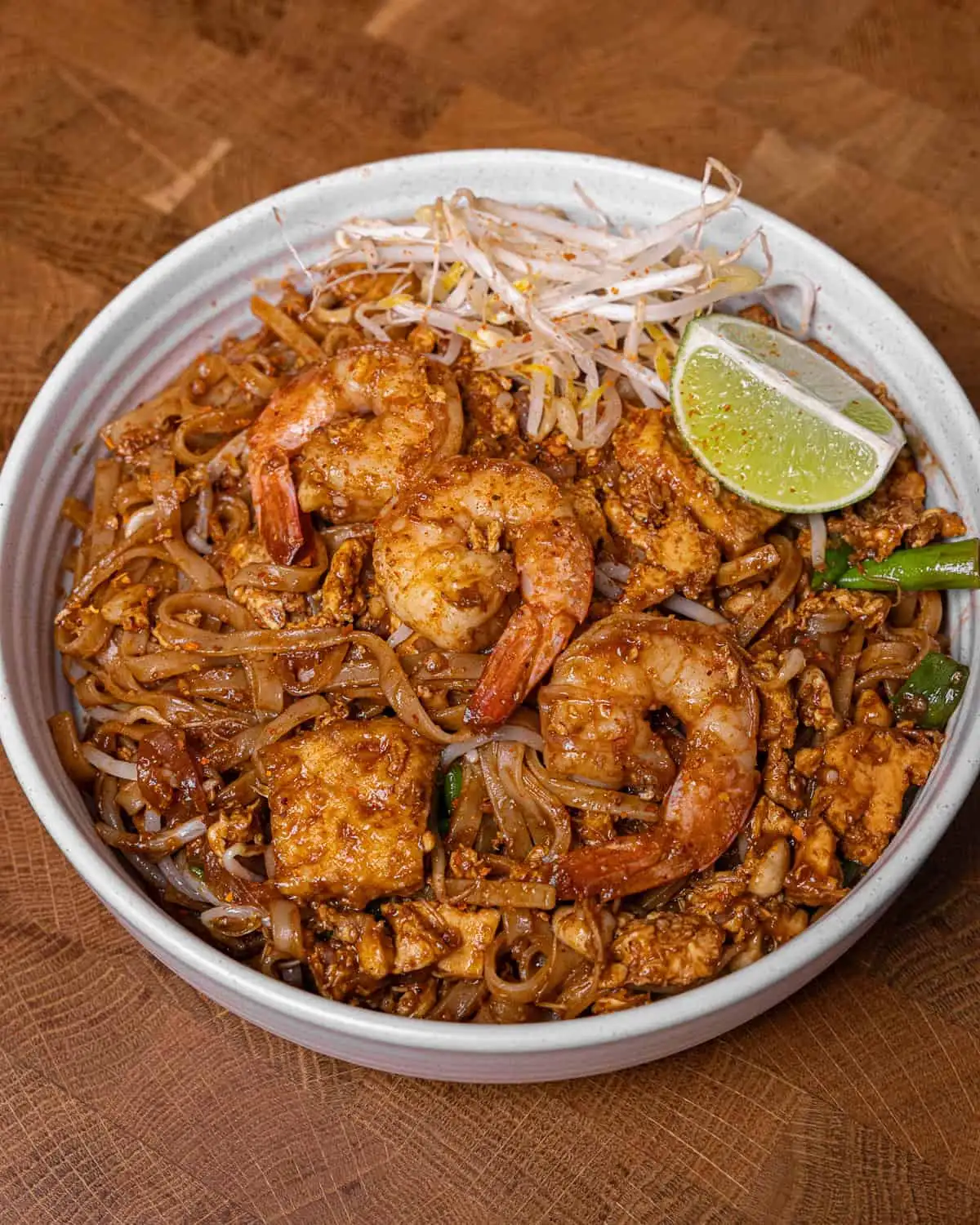
I've been obsessed with Pad Thai for as long as I can remember. It's that perfect combo of sweet, sour, salty, and spicy—and let’s not forget those crispy peanuts and fresh bean sprouts that really bring everything together. It’s comfort food, but also a showstopper. Trust me, this one’s going to be a regular in your weeknight rotation.
What is Pad Thai?
Alright, before we dive into the cooking, let me break it down for you. Pad Thai is a Thai street food classic. It’s a stir-fried noodle dish made with rice noodles, a flavorful sauce, and your choice of protein—shrimp, chicken, or tofu.
The key to a killer Pad Thai is the balance of sweet, sour, salty, and just a bit of heat. The sauce, made with tamarind paste, fish sauce, and a little palm sugar, is what makes this dish so special.
It’s the kind of dish that packs a punch with every bite, and when it’s done right, it’s impossible to put down.
How Pad Thai Became a Global Favorite
Pad Thai didn’t just become a street food staple in Thailand by chance. It has a rich history tied to the country's culture. Originally introduced in the 1930s as part of a government campaign to promote Thai nationalism, Pad Thai was quickly embraced by locals and visitors alike.
It became a symbol of Thailand’s culinary identity, combining the best of Thai flavors like tamarind and fish sauce with simple, accessible ingredients.
Today, Pad Thai is not only found on every street corner in Bangkok, but it’s a dish that’s loved all over the world. The magic lies in its perfect balance—sweet, sour, salty, and spicy—all in one bite.
Ingredients for an Authentic Pad Thai
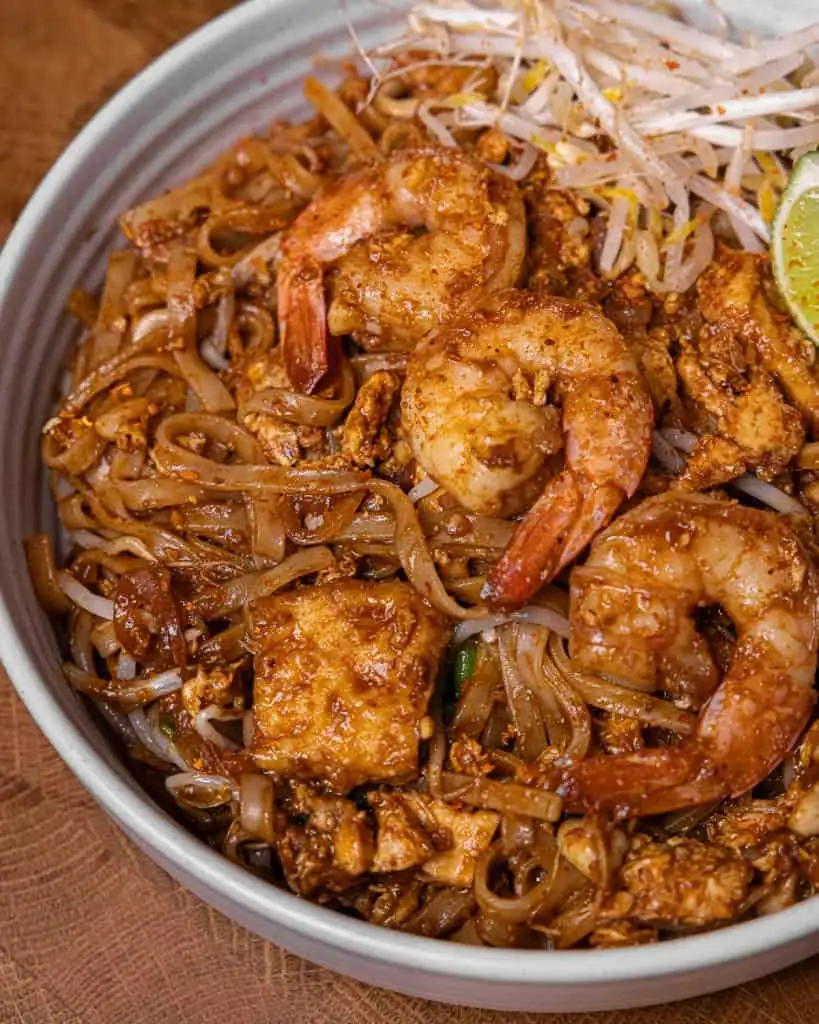
Here’s what you’ll need for a delicious, restaurant-quality Pad Thai. If you’ve been following me for a while, you know I don’t like to complicate things. So, everything here is easy to find at your local grocery store.
Main Ingredients
Rice Noodles
- 120g of dried Pad Thai rice stick noodles: These noodles are key to getting that chewy texture that’s just right. No substitutes here—go for rice noodles that are flat and wide.
Proteins
- 100g of shrimp, peeled and deveined – Shrimp gives that juicy, tender bite, but you can totally swap it out for chicken or tofu if that’s more your thing. I’m all about options.
Aromatics and Veggies
- 1 shallot, thinly sliced: This adds a delicate, savory base.
- 4 cloves of garlic, finely minced: Essential for that aromatic wok flavor.
- ½ fried tofu, cut into ¼-inch pieces: Tofu gives this dish a nice texture and absorbs the sauce perfectly.
- 1 cup of mung bean sprouts, washed and rinsed: These add a crispy, refreshing crunch.
- 2 stalks of scallions, cut into 2-3 inch pieces: These add some fresh flavor to the mix.
For the Sauce
- ¼ cup of water: Helps to dissolve the ingredients.
- 2 tablespoon of tamarind paste: This is where the magic happens. It gives that sour kick that makes Pad Thai so unique.
- 2 tablespoon of palm sugar: This adds just the right amount of sweetness to balance the tamarind.
- 2 tablespoon of fish sauce: The secret to a salty umami flavor you just can’t replicate with anything else.
- 1.5 tablespoon of oyster sauce: Adds richness and depth.
- 1 tablespoon of dark soy sauce, for color: Gives the dish that beautiful deep brown color and a bit of extra flavor.
For Garnish
- Bean sprouts: For extra crunch.
- Lime wedge: A fresh squeeze of lime really brightens everything up.
- Crushed peanuts: They add texture and that nutty flavor.
- Chili powder: If you’re like me and love a little heat, this is a must.
The Perfect Pad Thai Sauce: Sweet, Sour, Salty, and Spicy
The Pad Thai sauce is where the dish truly shines. It’s the perfect balance of tamarind paste, fish sauce, palm sugar, and a little oyster sauce for depth. This sauce can be customized depending on how sweet, sour, or salty you like your dish. The key ingredients are:
- Tamarind paste: The tangy base flavor that makes Pad Thai so distinct.
- Fish sauce: Adds a savory umami note that’s essential in Thai cooking.
- Palm sugar: Sweetens and balances the other strong flavors.
- Dark soy sauce: For color and richness, while giving the dish that beautiful deep brown hue.
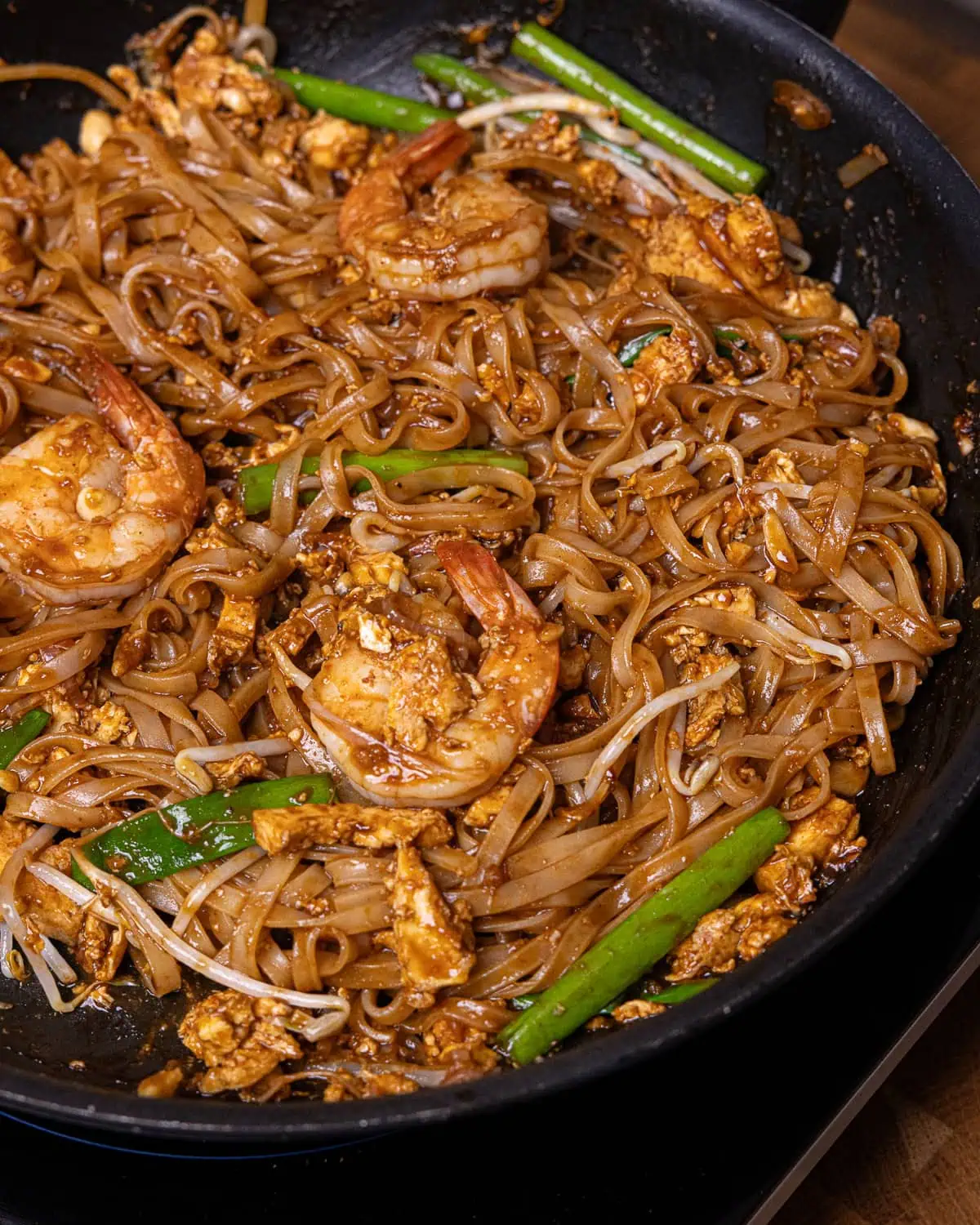
Together, these ingredients make the sauce what it is—a rich, complex flavor base that wraps around the noodles, giving you that authentic Pad Thai taste.
How to Make the Best Pad Thai
Alright, it’s time to cook! Don’t worry, I’m breaking it down step-by-step so you can follow along easily. Here we go!
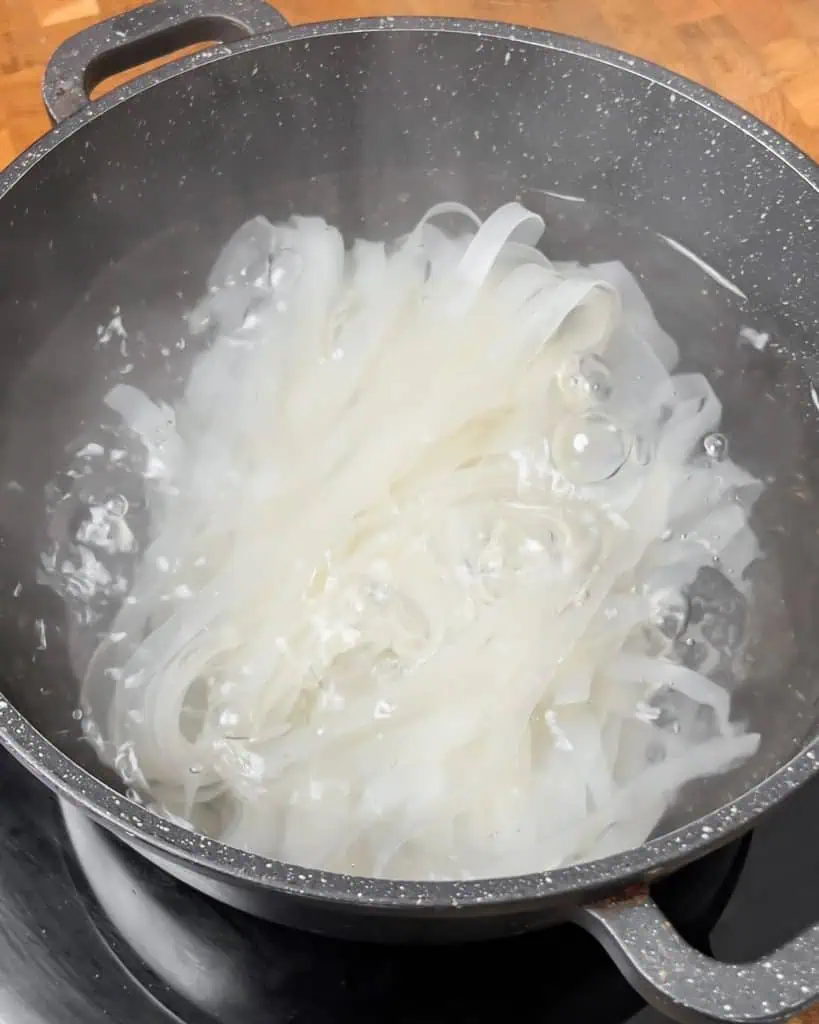
Soak the Noodles
- Start by soaking your 120g of dried Pad Thai rice stick noodles in hot boiling water for 5 minutes. You don’t want to leave them for too long—6-8 minutes max or they’ll turn mushy.
- After soaking, rinse them under cold water to stop the cooking process. Set them aside while we prep everything else.
Make the Sauce
- In a bowl, mix ¼ cup of water, 2 tablespoon of tamarind paste, 2 tablespoon of palm sugar, 2 tablespoon of fish sauce, 1.5 tablespoon of oyster sauce, and 1 tablespoon of dark soy sauce. Stir it all together and set it aside. Trust me, this sauce is the heart of your Pad Thai!
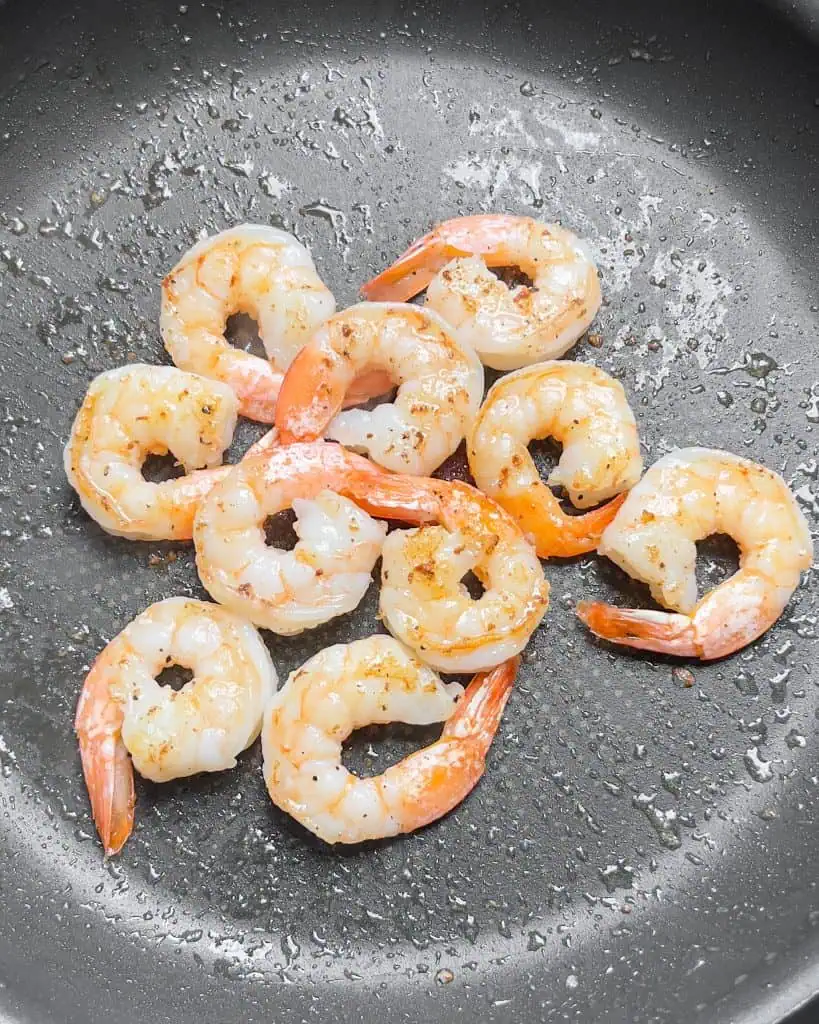
Cook the Shrimp
- Heat 1 tablespoon of cooking oil in a pan over medium-high heat. Spread your shrimp evenly in the pan and cook until they turn pink and opaque. This takes just a couple of minutes. Once done, set them aside.
Sauté the Aromatics
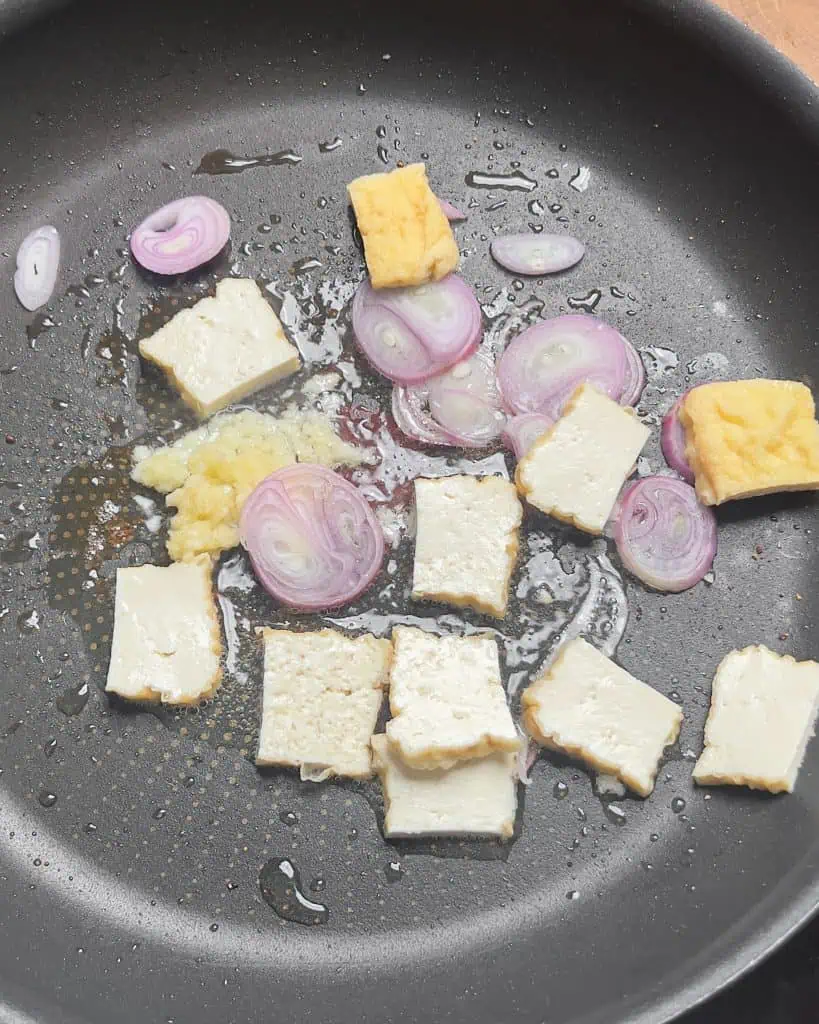
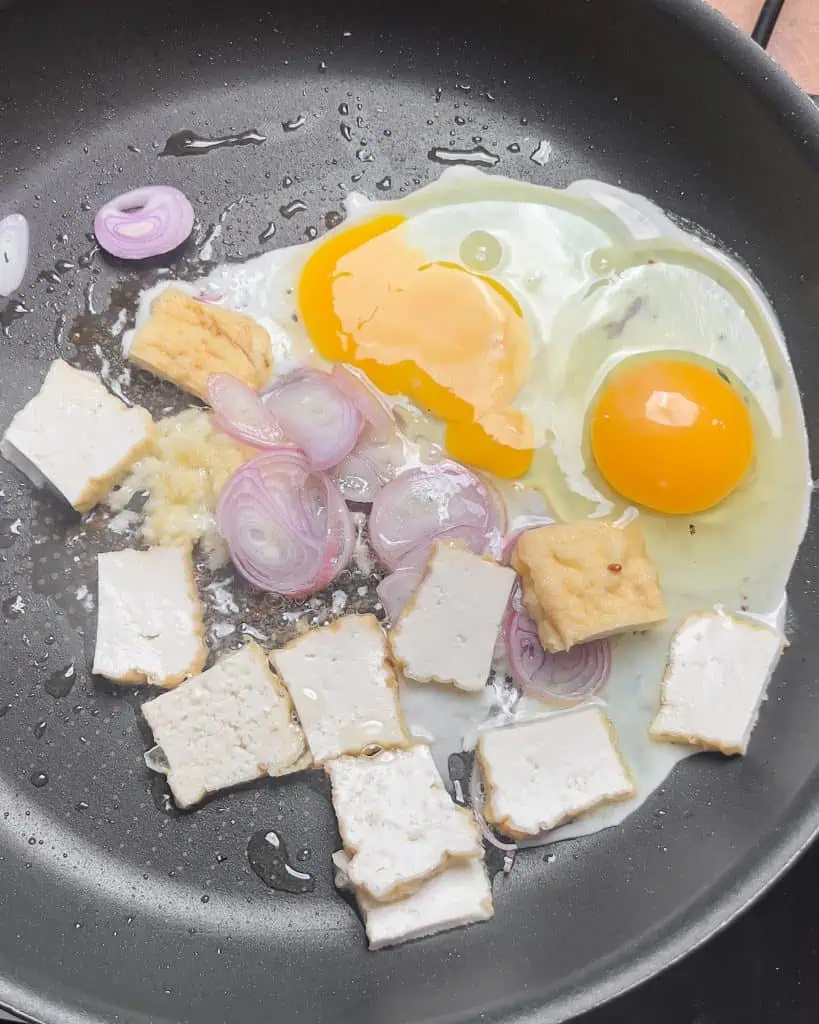
- In the same pan, heat 2 tablespoon of oil over high heat. Add the shallots, garlic, and fried tofu. Sauté everything for about a minute until fragrant and slightly golden. Then, crack in 2 eggs and scramble them up. Keep everything moving in the pan!
Add the Noodles and Sauce
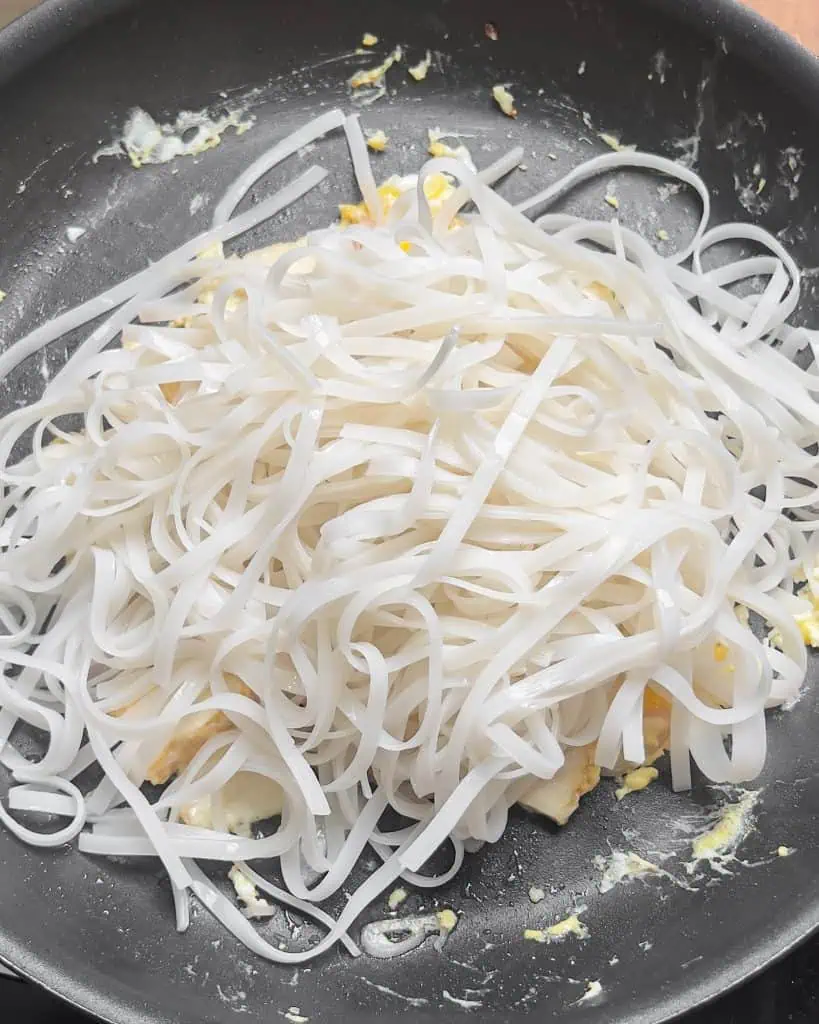
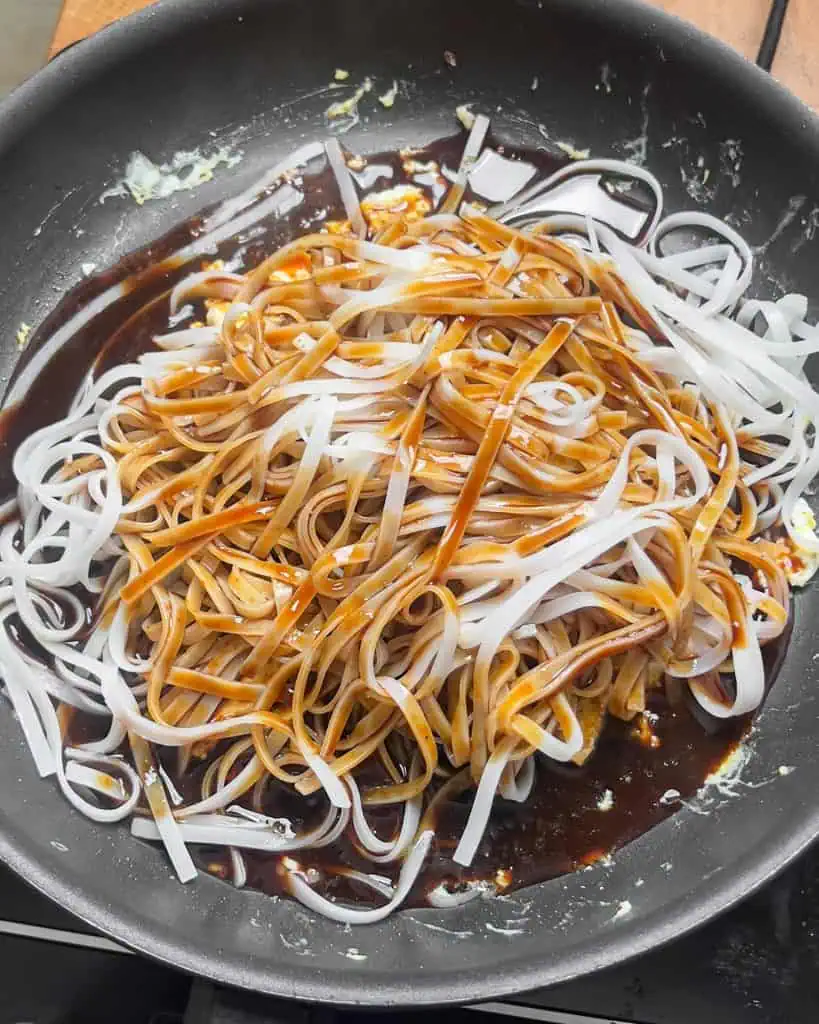
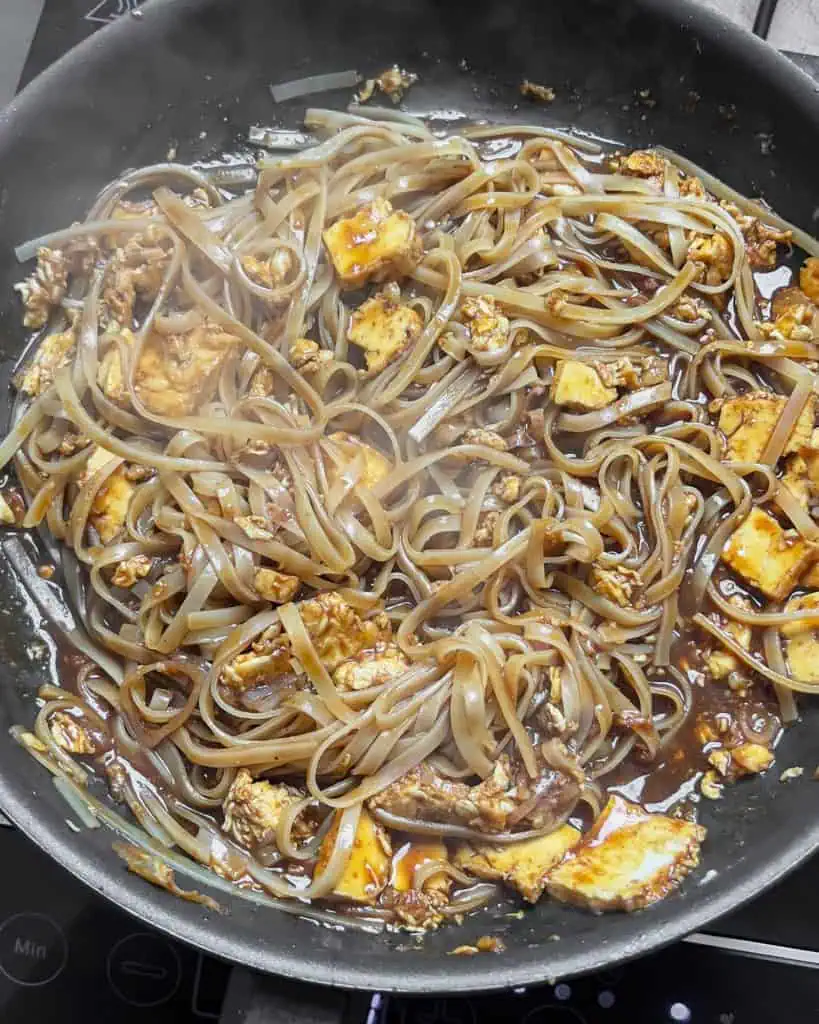
- Now, toss the soaked noodles into the pan with the sautéed veggies, tofu, and eggs. Pour in that beautiful Pad Thai sauce you made earlier and toss it all together. Make sure every noodle gets coated in that sauce. You want it nice and glossy!
Finish It Off
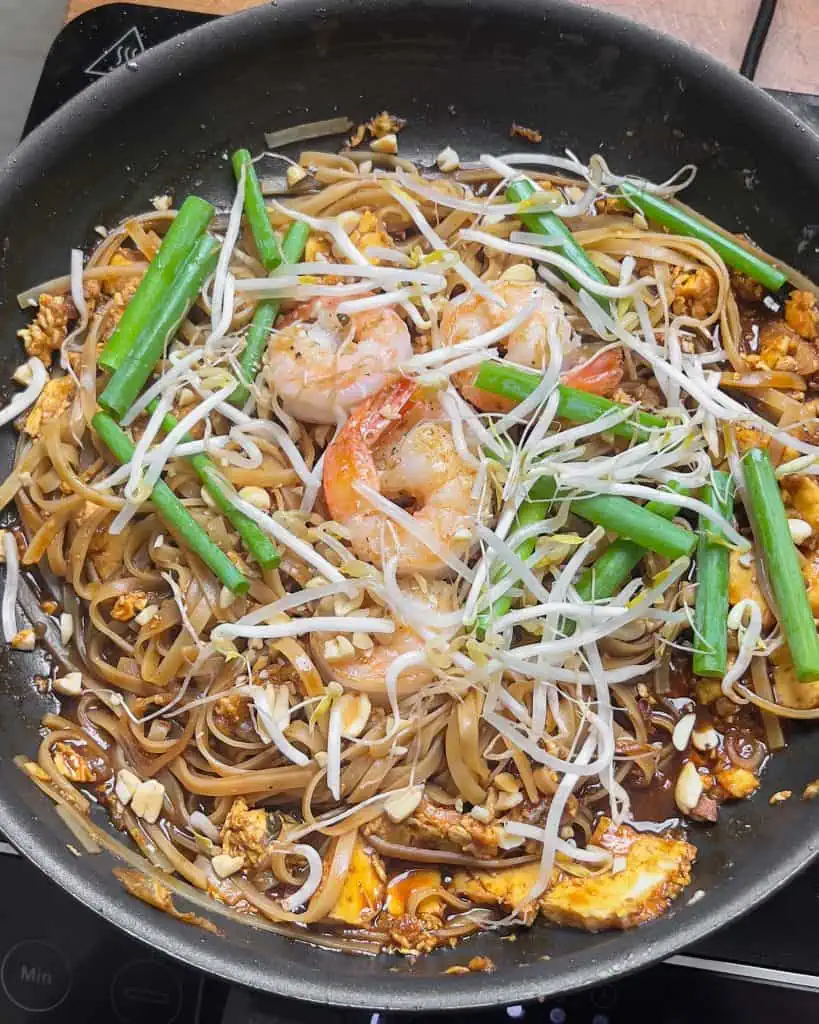
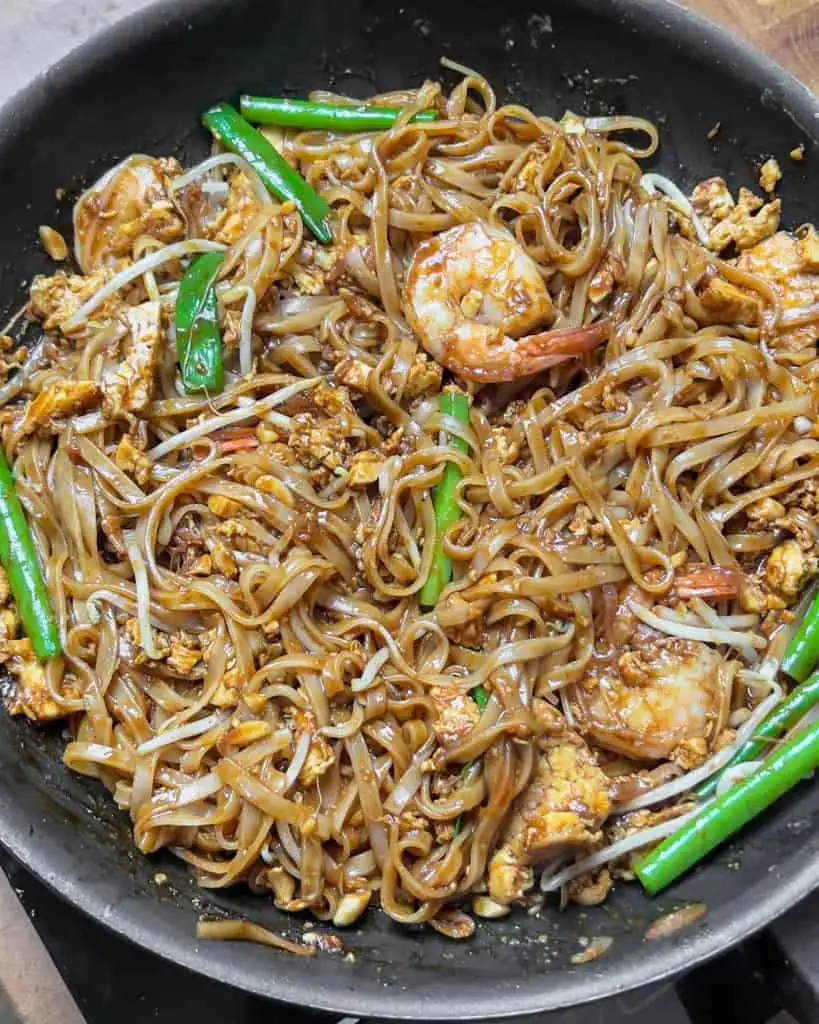
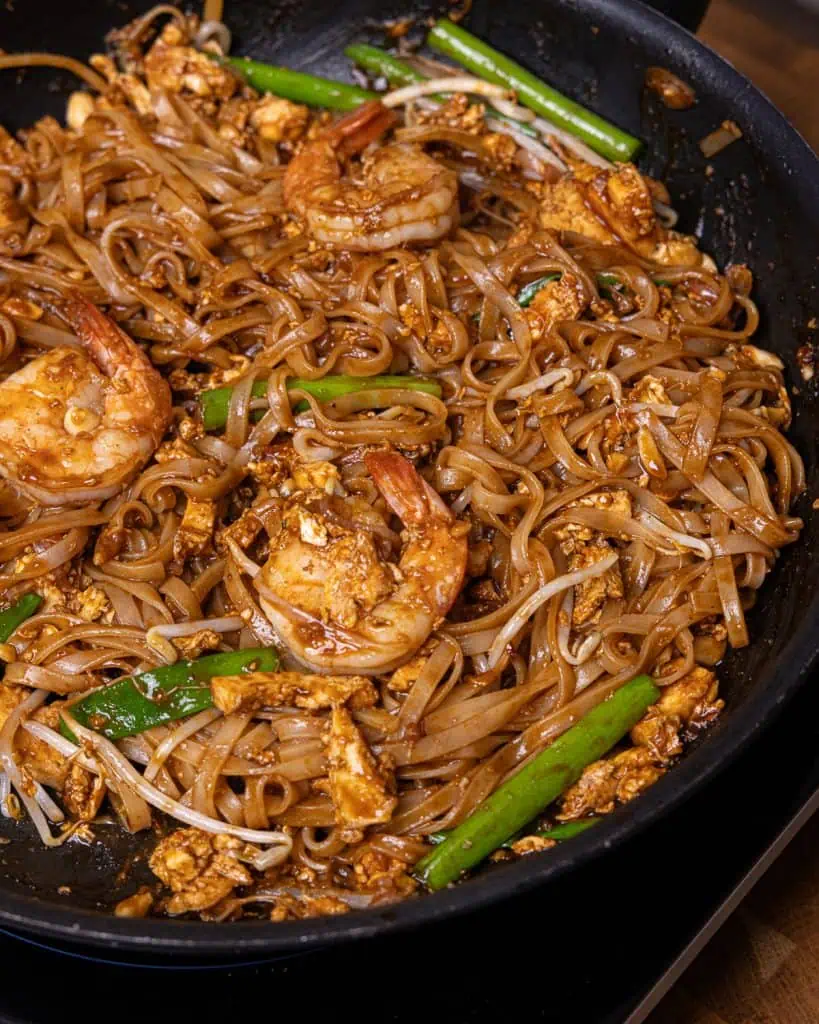
- Add the cooked shrimp, spring onions, mung bean sprouts, and crushed peanuts into the pan. Toss everything for another 1-2 minutes to get it all well mixed.
Garnish and Serve
- Finally, plate your Pad Thai and top it with fresh bean sprouts, a lime wedge, more crushed peanuts, and a sprinkle of chili powder if you like things spicy. Give it a taste and adjust the seasoning if needed. Ready to serve!
Pro Tips for Perfect Pad Thai Every Time
Noodle Texture
Don’t over-soak the noodles. They should be soft but still chewy. If they’re too soft, your Pad Thai will turn into a soggy mess. Pro Tip: After soaking, give the noodles a quick rinse under cold water to stop them from cooking further.
High Heat
Use high heat throughout. This helps achieve that wok hei flavor—the smoky, charred taste that makes Pad Thai so irresistible. Pro Tip: If you're using a regular pan instead of a wok, make sure to heat it up as hot as possible before adding your ingredients.
Adjust the Sauce
Taste the sauce before you add it to the noodles. If it’s too sour, add a little more sugar; if it’s too sweet, adjust with fish sauce. Pro Tip: Start with less tamarind paste, and gradually add more to reach your desired sourness. You can always add more, but you can’t take it out once it’s in!
Perfect Protein Cooking
Make sure to not overcook shrimp or tofu. Shrimp should be pink and juicy, and tofu should be crispy on the outside but soft inside. Pro Tip: When cooking shrimp, don’t crowd the pan—this will ensure each shrimp cooks evenly.
Why This Pad Thai Will Blow Your Mind
There’s just something about Pad Thai that hits all the right notes. The tamarind paste gives it that tangy flavor, while the fish sauce and palm sugar create that perfect sweet-savory combo.
The crispy peanuts and fresh mung bean sprouts provide crunch, and the shrimp—or whatever protein you choose—adds that satisfying bite. All of this comes together in a wok for the ultimate stir-fry experience.
FAQs
Can I use pre-made Pad Thai sauce from the store?
While it's convenient, store-bought Pad Thai sauces often contain additives and may not capture the authentic flavor. Making your own sauce ensures a fresher taste and allows you to adjust the balance of sweet, sour, salty, and spicy to your liking.
How do I prevent my rice noodles from becoming clumpy or soggy?
To avoid clumpy or soggy noodles, ensure you don't over-soak them. Soak dried rice noodles in room temperature water for about 1 hour. If you're in a hurry, you can soak them in hot water for 3 minutes, but be cautious not to overdo it. After soaking, rinse the noodles under cold water to stop the cooking process.
What can I substitute for tamarind paste if I can't find it?
Tamarind paste is essential for the authentic tangy flavor of Pad Thai. If it's unavailable, you can substitute it with an equal amount of lime juice mixed with a bit of brown sugar to mimic the sweet-sour profile. However, the taste may differ slightly from the traditional version.
Can I make Pad Thai without fish sauce?
Fish sauce imparts a unique umami flavor to Pad Thai. If you're vegetarian or vegan, you can substitute it with a good-quality vegetarian fish sauce or an equal amount of soy sauce.
How do I prevent my Pad Thai from being too sweet or too sour?
Achieving the perfect balance is key. If your Pad Thai turns out too sweet, reduce the amount of palm sugar in the sauce. If it's too sour, adjust by adding more sugar or a bit of lime juice. Always taste and adjust the sauce before adding it to the noodles.
Can I use chicken or tofu instead of shrimp?
Absolutely! You can substitute shrimp with chicken, pork, or tofu. For tofu, use firm or extra-firm tofu, and consider pressing it to remove excess moisture before cooking. For meat options, marinate them briefly to enhance flavor.
How do I store and reheat leftover Pad Thai?
Pad Thai is best enjoyed fresh, but if you have leftovers, store them in an airtight container in the refrigerator for up to 1 day. To reheat, warm it in a pan over medium heat, adding a splash of water to keep the noodles from drying out.
Why is my Pad Thai too dark or too light in color?
The color of your Pad Thai can be influenced by the type of tamarind paste used. Some tamarind pastes are darker than others, which can affect the final color of the dish. Additionally, the amount of dark soy sauce used can also impact the color. Rest assured, the taste is what matters most.
Can I make Pad Thai ahead of time?
While it's best to enjoy Pad Thai fresh, you can prepare components in advance. The sauce can be made and stored in the refrigerator for up to 3 months. Noodles can be soaked ahead of time, and proteins can be pre-cooked. Assemble and stir-fry the dish just before serving for the best texture and flavor.
Why are my rice noodles chewy instead of soft?
If your rice noodles are too chewy, they might have been under-soaked or overcooked. Ensure you soak them in room temperature water for about 1 hour, or in hot water for 3 minutes if you're short on time. After soaking, rinse them under cold water to stop the cooking process.
Wrapping It Up
So, there you have it, folks! This is the Pad Thai that’ll make you the hero of your kitchen. Whether you’re cooking for yourself or for a crowd, this dish is guaranteed to impress. If you try it out, I’d love to see your versions! Post a pic, tag me, and let me know how it turned out.
And if you’re hungry for more amazing recipes, you know where to find me—right here on my social media! Keep cooking, keep experimenting, and always have fun with food.
RATE MY DISH!
If you enjoy my dish make sure to leave a comment and rating down below. I highly appreciate it!
Tag me on Instagram @geniuseatss so I can see your creation! Don't forget to follow me on TikTok, Youtube, Pinterest and Facebook for more recipes and contents!
Thank you so much and enjoy my recipes!
PrintSimplest Homemade Pad Thai Recipe (Ready In Min)

Try this simplest Pad Thai at home with this easy, flavorful recipe featuring shrimp, tofu, tamarind, and a homemade sauce
- Prep Time: 15
- Cook Time: 10
- Total Time: 25 minutes
- Yield: 2 1x
- Category: Noodles
- Method: Easy
- Cuisine: Thai
Ingredients
Main Ingredients
- 120g of dried Pad Thai rice stick noodles
- 100g of shrimp
- 1 shallot, thinly sliced
- 4 cloves of garlic
- ½ fried tofu
- 1 cup of mung bean sprouts
- 2 stalks of scallions
For the Sauce
- 2 tbsp of tamarind paste
- 2 tbsp of palm sugar
- 2 tbsp of fish sauce
- 1.5 tbsp of oyster sauce
- 1 tbsp of dark soy sauce
For Garnish
- Bean sprouts
- Lime wedge
- Crushed peanuts
- Chili powder
Instructions
- Start by soaking your 120g of dried Pad Thai rice stick noodles in hot boiling water for 5 minutes. You don’t want to leave them for too long—6-8 minutes max or they’ll turn mushy.
- After soaking, rinse them under cold water to stop the cooking process. Set them aside while we prep everything else.
- In a bowl, mix ¼ cup of water, 2 tablespoon of tamarind paste, 2 tablespoon of palm sugar, 2 tablespoon of fish sauce, 1.5 tablespoon of oyster sauce, and 1 tablespoon of dark soy sauce. Stir it all together and set it aside. Trust me, this sauce is the heart of your Pad Thai!
- Heat 1 tablespoon of cooking oil in a pan over medium-high heat. Spread your shrimp evenly in the pan and cook until they turn pink and opaque. This takes just a couple of minutes. Once done, set them aside.
- In the same pan, heat 2 tablespoon of oil over high heat. Add the shallots, garlic, and fried tofu. Sauté everything for about a minute until fragrant and slightly golden. Then, crack in 2 eggs and scramble them up. Keep everything moving in the pan!
- Now, toss the soaked noodles into the pan with the sautéed veggies, tofu, and eggs. Pour in that beautiful Pad Thai sauce you made earlier and toss it all together. Make sure every noodle gets coated in that sauce. You want it nice and glossy!
- Add the cooked shrimp, spring onions, mung bean sprouts, and crushed peanuts into the pan. Toss everything for another 1-2 minutes to get it all well mixed.
- Finally, plate your Pad Thai and top it with fresh bean sprouts, a lime wedge, more crushed peanuts, and a sprinkle of chili powder if you like things spicy. Give it a taste and adjust the seasoning if needed. Ready to serve!
Want more? Browse every noodle recipe in one place.

Maria
Hi
Is it possible to add some veggies to this recipe and what would you recommend to stay somewhat authentic?