




Craving spicy noodles? Try this simple Dan Dan Noodles recipe that packs all the flavor and heat, perfect for your next homemade meal!
Jump to:
- What Makes Dan Dan Noodles So Special?
- Essential Ingredients & Their Role in Dan Dan Noodles
- Step-by-Step Guide: How to Make the Best Dan Dan Noodles (Comprehensive & Detailed)
- How to Cook the Pork Properly
- Make the Signature Dan Dan Sauce (The Flavor Bomb)
- Cook the Noodles & Assemble the Dish
- Variations & Customizations
- FAQs
- My Take on Dan Dan Noodles
- Dan Dan Noodles (Sichuan)- You Can't Miss Out!
Hey, food lovers! It’s Genius here, back with another banger recipe—and trust me, this one is next-level good. If you’re craving a bowl of spicy, savory, and nutty noodles that packs a punch, you need to try my homemade Dan Dan Noodles.
I’ve been obsessed with Sichuan cuisine for a long time. There’s something about the way Sichuan peppercorns, chili oil, and Chinese sesame paste come together that just hits differently. This isn’t the kind of dish you eat quietly—it wakes up all your senses. The heat, the numbing spice, the deep umami—it’s all there in one bowl.
For those who don’t know, Dan Dan Noodles started out as Chinese street food, sold by vendors carrying bamboo poles with baskets of noodles slung over their shoulders. Over time, it became one of the most famous Chinese noodle dishes, and for a good reason—it’s absolutely packed with flavor.
I’ve made this recipe over and over again, testing different methods, adjusting ingredients, and making sure it’s something you can easily make at home, even if you don’t have access to an Asian grocery store.
By the time you finish reading this, you’ll know exactly how to make the best homemade Dan Dan Noodles—better than takeout, better than any instant version, and definitely a recipe you’ll come back to again and again.
What Makes Dan Dan Noodles So Special?
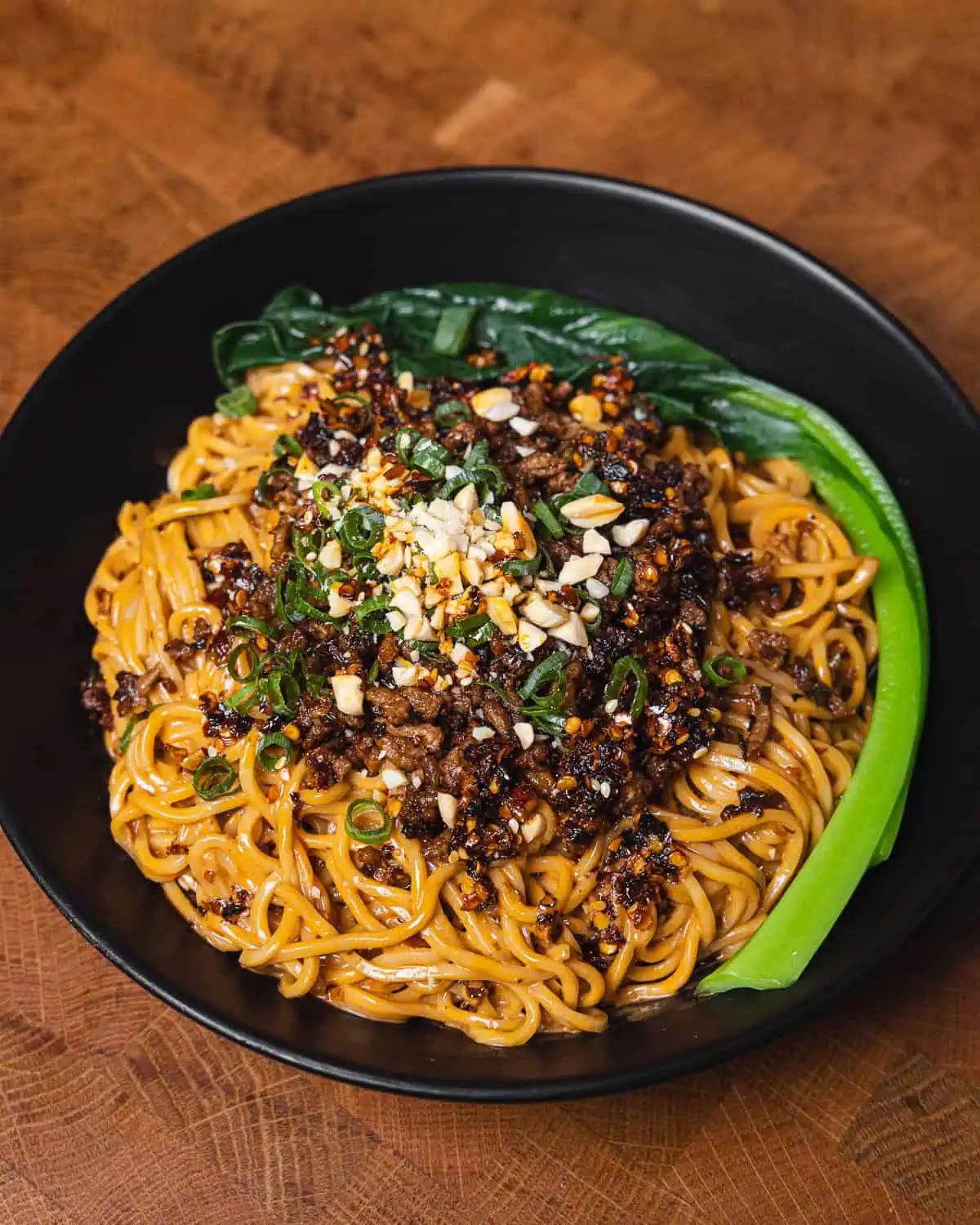
Dan Dan Noodles are a classic Sichuan street food dish, originally sold by vendors carrying bamboo poles (Dan Dan) with baskets of noodles. The dish has evolved over time but remains one of the most popular Sichuan noodle dishes worldwide.
There are two main styles of Dan Dan Noodles:
Dry Dan Dan Noodles (Traditional Style)
The noodles are coated in a rich, spicy sauce without broth.
The sauce clings to the noodles, creating an intense flavor-packed experience.
This is the more common version in Sichuan street food culture.
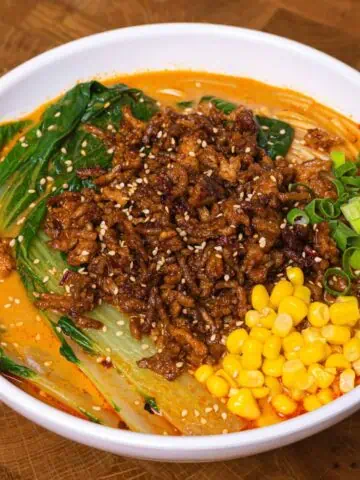
Soupy Dan Dan Noodles (Restaurant Style)
The noodles are served in a spicy, umami-rich broth.
This version is popular in Western adaptations, but less common in authentic Sichuan cuisine.
Both styles are loaded with deep, spicy, nutty flavors, and in this guide, I’ll show you how to make both.
Essential Ingredients & Their Role in Dan Dan Noodles
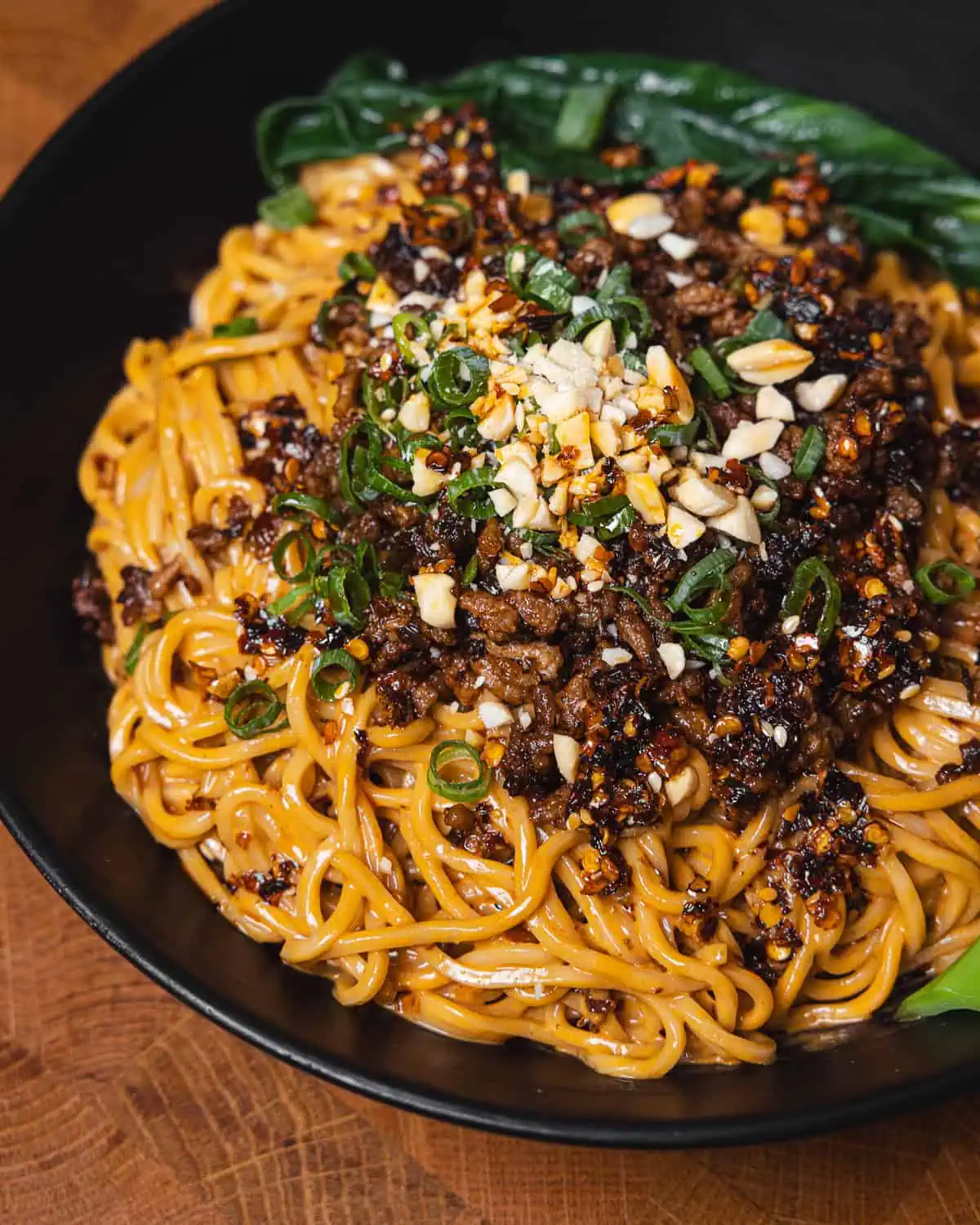
To create authentic Dan Dan Noodles, you need the right ingredients. Let’s break them down in detail so you understand why each one is crucial.
The Noodles (The Foundation of the Dish)
The best noodles for Dan Dan Noodles are medium-thickness, wheat-based Chinese noodles. They should be slightly chewy but firm enough to hold the rich sauce without getting mushy.
- Best choice: Fresh Chinese wheat noodles (found in Asian grocery stores).
- Good alternative: Lo mein noodles or hand-pulled wheat noodles.
- Acceptable substitute: Spaghetti (if you can’t find Chinese noodles, this is the best Western substitute).
- Not recommended: Rice noodles or egg noodles—they don’t absorb the sauce as well.
The Bold, Spicy & Numbing Sichuan Elements
The key to real Dan Dan Noodles is the unique "mala" flavor, which comes from:
- Sichuan Peppercorn Oil: These give the dish its numbing, tingly sensation and for achieving authentic Sichuan heat and depth of flavor.
The Signature Dan Dan Sauce (Where the Magic Happens)
This sauce is what makes Dan Dan Noodles unforgettable—it should be spicy, nutty, savory, slightly tangy, and silky-smooth. Here’s what goes into it:
- 2 tablespoon of Chinese Sesame Paste: The nutty base of the sauce. This is different from tahini, it has a deeper, roasted sesame flavor.
- 3 tablespoon of Light Soy Sauce: Provides a salty, umami flavor with a lighter color and taste, enhancing the depth of the sauce without overpowering it.
- 1 teaspoon of Dark Soy Sauce: Adds a deeper, more intense flavor and darker color, contributing to the richness of the dish.
- 1 teaspoon of Sesame oil: Imparts a fragrant, slightly nutty aroma and flavor that enhances the overall complexity of the sauce.
- 1 tablespoon of Chinese Black Vinegar: A touch of acidity balances out the rich flavors.
- 2 teaspoon of Sugar: Balances out the saltiness and acidity, providing a subtle sweetness to round out the flavors
- 4 tablespoon of Szechuan Peppercorn oil: Delivers a signature numbing, tingling sensation (málà) that's essential to the distinctive taste of Dan Dan noodles.
- 2 cloves of Garlic: Provide the aromatic punch that’s essential for Sichuan dishes.
- ½ teaspoon of msg: Enhances the umami flavor, making the overall dish more savory and satisfying
The Umami-Packed Pork Topping
The crispy, savory pork is one of the best parts of this dish. It should be well-seasoned and slightly crispy to contrast with the soft noodles. Here’s what you need:
- 250g of Ground Pork: Traditional and full of umami flavor.
- 2 tablespoon of cooking oil: Essential for frying and sautéing the pork, ensuring it crisps up and enhances the texture of the dish.
- 2 teaspoon of ginger: Adds a fresh, aromatic, slightly spicy note that cuts through the richness of the pork and balances the dish.
- Scallions: Offer a mild onion flavor with a touch of sweetness and freshness that contrasts with the other strong, savory ingredients.
- ¼ cup of Sui Mi Ya Cai (Pickled Mustard Greens): A true Sichuan ingredient that adds a subtle fermented umami.
- 2 tablespoon of Shaoxing Wine: Gives the pork deep umami richness.
- 2 teaspoon of Dark Soy Sauce: Provides color and a deeper savory taste.
- 2 teaspoon of soy sauce: Provides a balance of saltiness and umami, enhancing the overall savory character of the dish.
Step-by-Step Guide: How to Make the Best Dan Dan Noodles (Comprehensive & Detailed)
Cook the Ground Pork Topping (The Umami Bomb)
This pork topping is where all the savory depth comes from. It should be crispy, caramelized, and bursting with umami flavor. If you’ve ever had bland pork in a noodle dish, that won’t happen here. I’m going to show you exactly how to get it perfectly crispy and flavorful.
How to Cook the Pork Properly
Preheat your wok or pan before adding oil
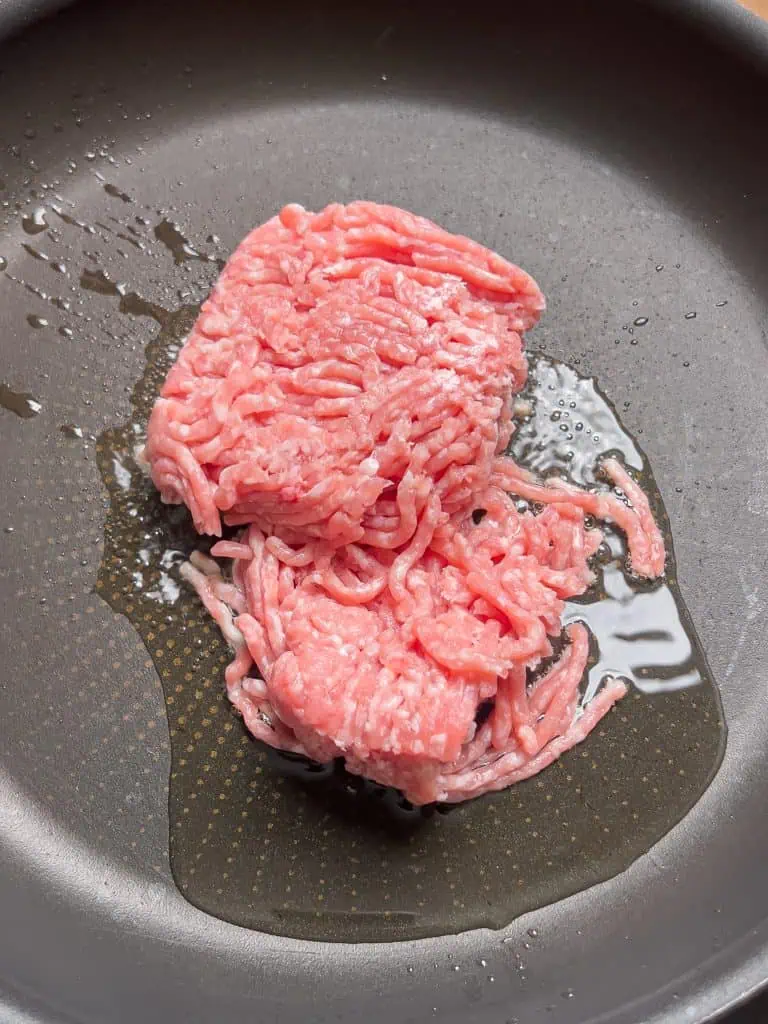
- Heat your wok for about a minute before adding oil. This step helps prevent sticking and ensures the pork gets that golden-brown sear instead of steamin
- Add the ground pork and let it sit undisturbed for 1–2 minutes. This is key—if you stir too soon, the pork will release moisture and won’t crisp up.
- Once the bottom is golden brown, start breaking it up into small crumbles.
Layer in the flavors strategically
- Add ginger, scallions and Sui Mi Ya Cai. Sauté for 2 minutes or until fragrant. Add Shaoxing-wine (it helps dissolve excess fat and intensifies the flavor), soy sauce and dark soy sauce.
- Stir-fry for another 3–4 minutes, allowing the pork to fully absorb the seasonings and become glossy.
- Chef’s Tip: Want an even crispier texture? Push the pork to the sides of the wok so it gets maximum contact with the hot surface.
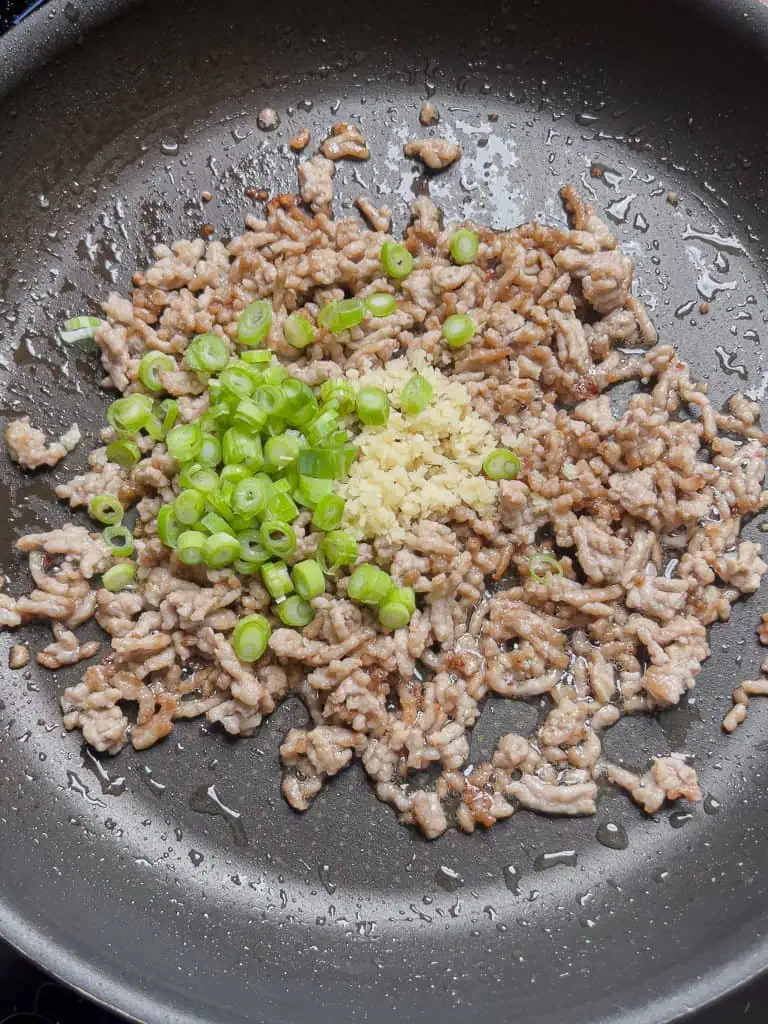
Remove from heat and let it rest
- Once the pork is deeply browned, crispy, and aromatic, transfer it to a bowl and cover lightly.
- This keeps the flavors locked in while you prepare the sauce.
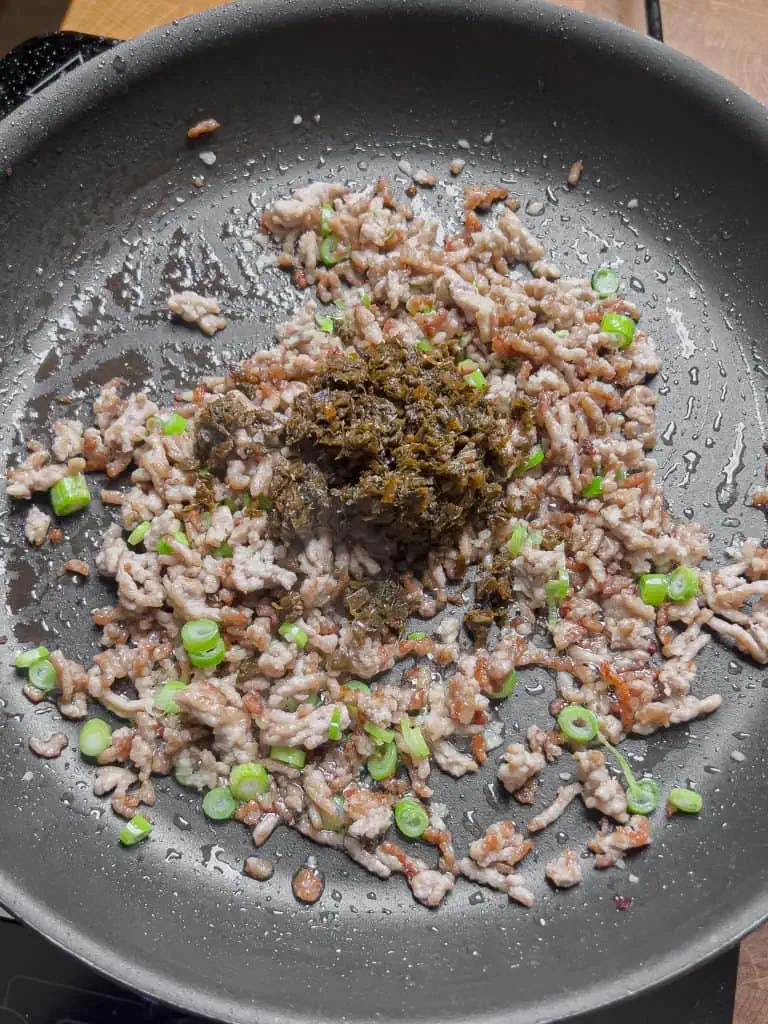
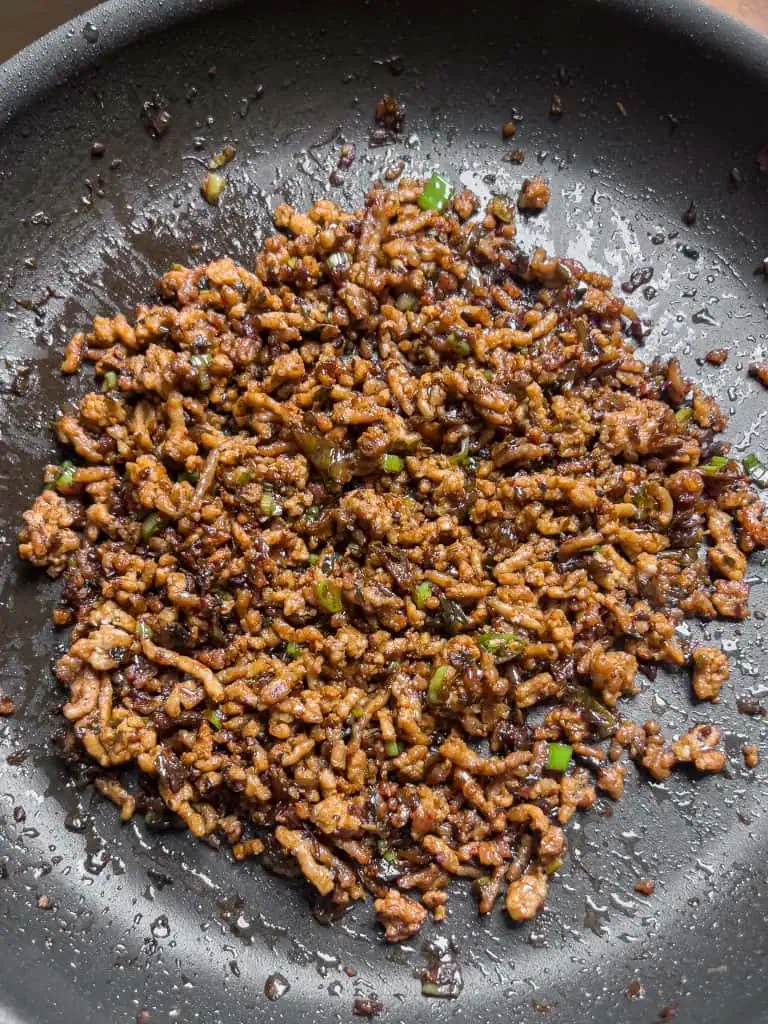
Make the Signature Dan Dan Sauce (The Flavor Bomb)
This sauce is what makes Dan Dan Noodles unforgettable. It should be smooth, balanced, spicy, nutty, slightly tangy, and cling to the noodles perfectly. If you follow these steps, you’ll get that silky, restaurant-quality texture every time.
How to Prepare the Sauce
- In a medium bowl, whisk together the sesame paste, light soy sauce, dark soy sauce ,sesame oil, Chinese black vinegar, sugar, salt, garlic and Szechuan peppercorn oil until it forms a smooth, creamy consistency.
- Pro Tip: If the sauce looks too thick, add a little more warm water to loosen it. If it’s too salty, balance it out with a tiny pinch of sugar.
Let it rest for maximum depth
- Cover the sauce and let it sit for at least 10–15 minutes before using. This allows all the flavors to meld together beautifully.
Cook the Noodles & Assemble the Dish
- This is the final step, and timing is everything. If you cook the noodles too early, they might dry out or stick together. If you wait too long, the sauce might not coat them evenly. Here’s how to do it right.
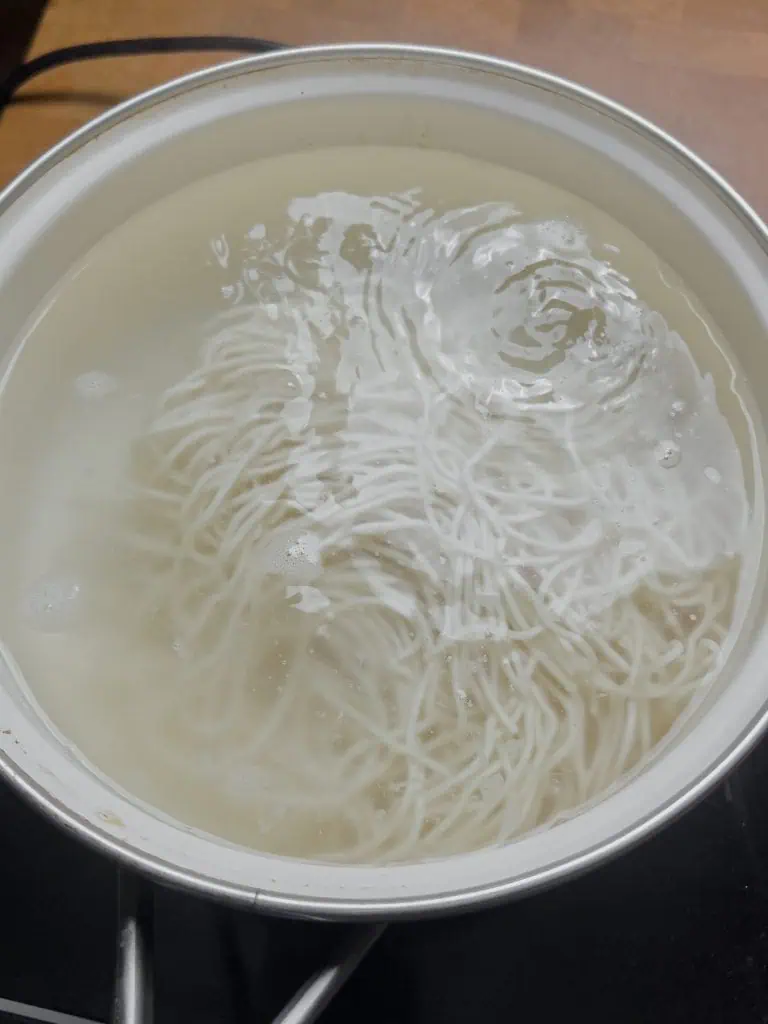
Boil water generously
- Use a large pot with plenty of water so the noodles cook evenly.
- Add a pinch of salt to enhance the flavor.
Cook the noodles al dente
- Drop the noodles in and stir immediately to prevent clumping.
- Cook according to package instructions, but taste them 30 seconds before they’re supposed to be done—you want them slightly firm (al dente) so they hold up in the sauce.
- Chef’s Tip: Save ½ cup of the noodle water before draining—it helps adjust the sauce consistency later.
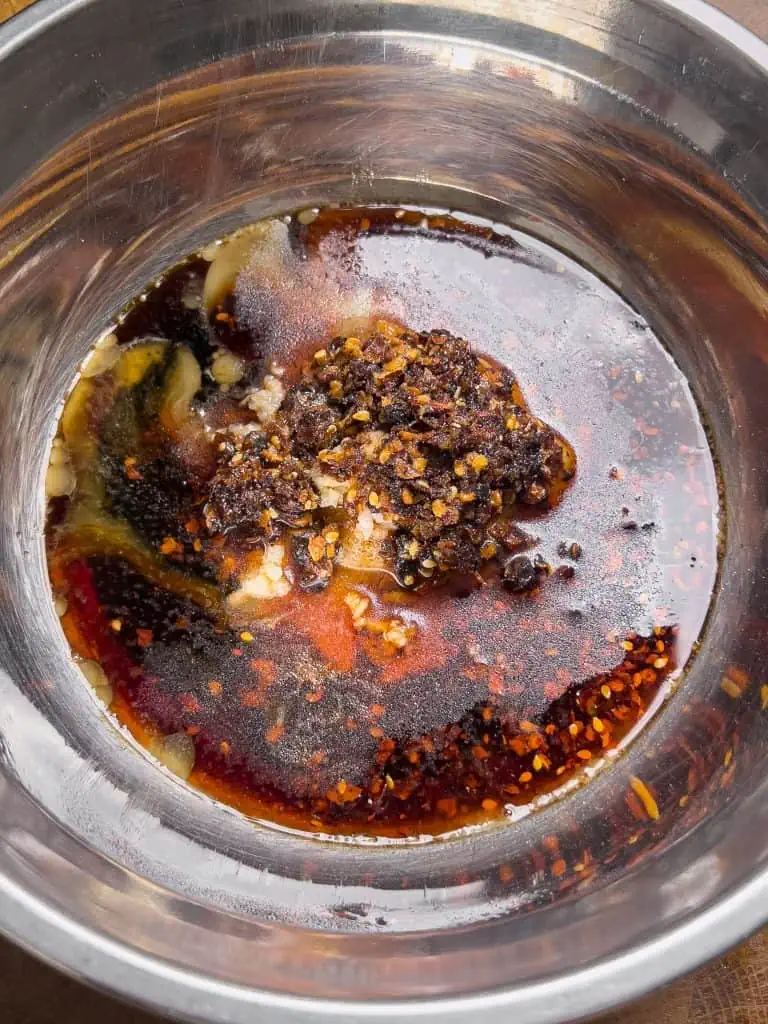
Blanch the greens in the same water
- In the last 30 seconds of cooking, add bok choy or choy sum to the pot.
- This keeps the greens crisp and vibrant instead of mushy.
Drain and toss immediately
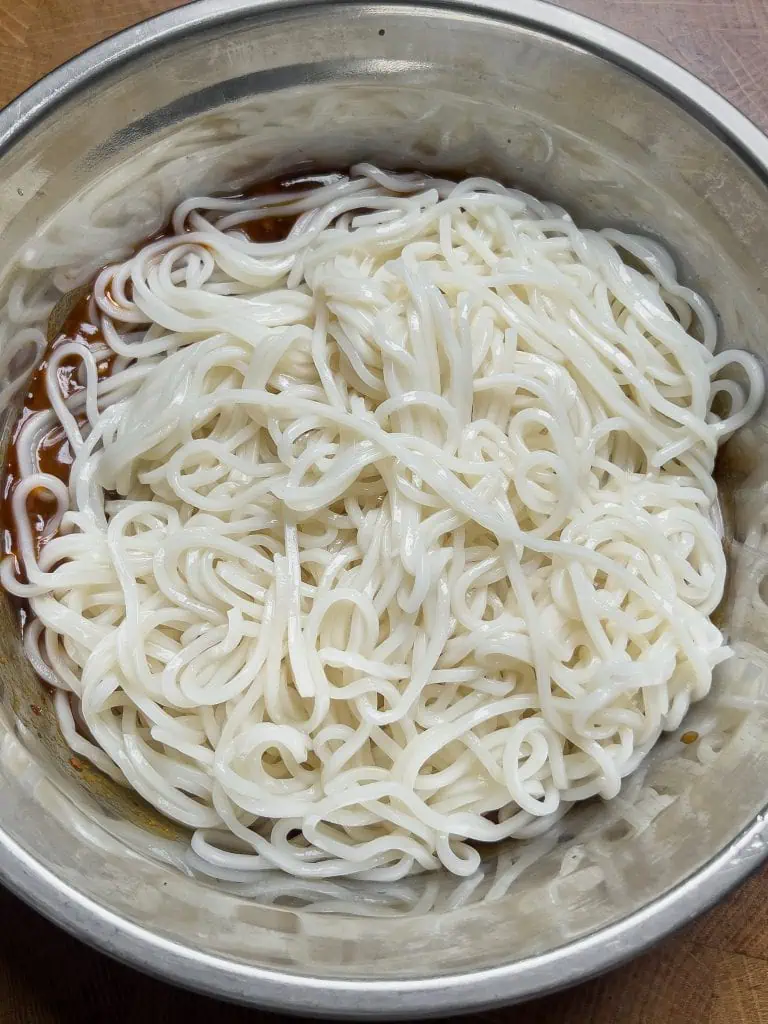
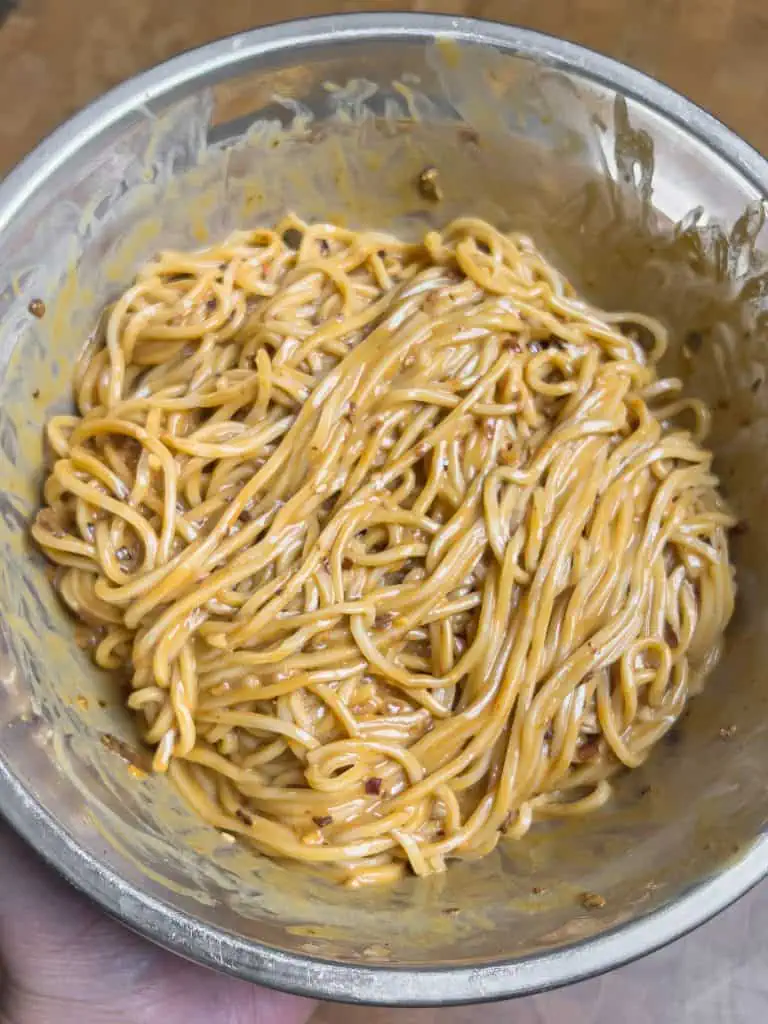
- Transfer the noodles directly to a bowl and immediately toss with the Dan Dan sauce.
- Add a little reserved noodle water if needed to help coat every strand evenly.
Top with the crispy pork and garnishes
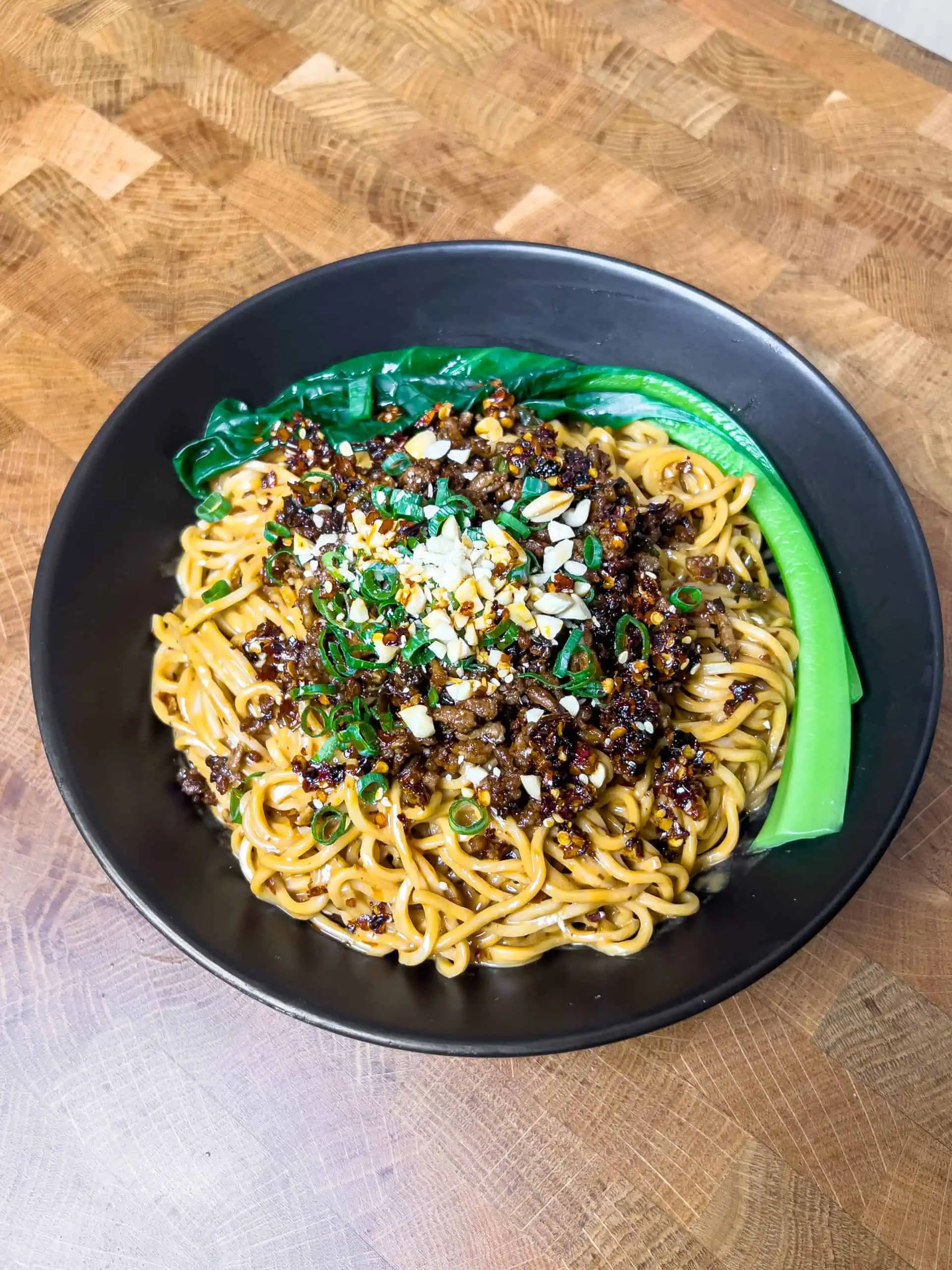
- Spoon the crispy pork over the noodles.
- Add crushed peanuts, scallions, extra chili oil, and pickled mustard greens for the final touch.
Mix everything together before eating
- The real magic happens when you mix it all up.
- Stir well so the sauce evenly coats every strand, and take that first bite—it should be spicy, nutty, tingly, and umami-packed all at once.
Variations & Customizations
I know everyone has their own preferences, so here are a few ways you can switch it up:
Vegan Dan Dan Noodles
Swap the pork for crumbled tofu or mushrooms.
Dan Dan Noodle Soup
Add hot chicken broth to make it soupy.
Extra Spicy Version
Double the Sichuan chili flakes and chili oil. Now you have the best, most authentic Dan Dan Noodles you’ve ever tasted—right in your own kitchen. No shortcuts, no watered-down flavors—just real Sichuan street food perfection.
Try it out, tweak the spice level to your preference, and let me know how it turns out. If you have questions or want to try variations, drop a comment. I’d love to hear how your Dan Dan Noodles came out!
FAQs
Is Dan Dan Noodles Supposed to Be Spicy?
Yes, but you can adjust the spice level. Use less chili oil if you want it milder.
What Are the Best Noodles for Dan Dan Noodles?
Medium-thick wheat noodles are best. They hold the sauce well without getting soggy.
Can I Make This in Advance?
Yes! The pork and sauce can be made ahead. Just cook the noodles fresh when you’re ready to eat.
What makes Dan Dan Noodles different from other Chinese noodle dishes?
Dan Dan Noodles stand out because of their bold, spicy, and numbing flavors, thanks to the Sichuan peppercorns and chili oil. Unlike many other Chinese noodle dishes that are either mild or purely savory, Dan Dan Noodles bring that unique "mala" (numbing and spicy) experience that’s signature to Sichuan cuisine.
What’s the difference between Dan Dan Noodles and Sichuan Hot Pot?
Both dishes come from Sichuan cuisine and use Sichuan peppercorns, chili oil, and spicy ingredients, but they’re completely different in preparation. Sichuan hot pot is a communal cooking experience where you cook various meats, vegetables, and tofu in a spicy broth, whereas Dan Dan Noodles are a single dish with ground pork, spicy sauce, and noodles.
Can I make Dan Dan Noodles ahead of time?
Yes! The pork topping, chili oil, and Dan Dan sauce can all be made ahead of time and stored in the fridge for 3–4 days. When you’re ready to eat, just cook fresh noodles, warm up the sauce, and assemble.
How do I store leftover Dan Dan Noodles?
If you’ve already mixed everything together, the noodles will soak up the sauce and might become a bit dry. Store leftovers in an airtight container and when reheating, add a splash of hot water or extra chili oil to loosen up the sauce.
Can I use peanut butter instead of Chinese sesame paste?
Yes, but the flavor will be slightly different. Chinese sesame paste is made from toasted sesame seeds, which gives it a stronger, nuttier taste. If you use peanut butter, go for unsweetened and mix in a little sesame oil for a more authentic flavor.
Can I make a gluten-free version of Dan Dan Noodles?
Absolutely! Swap the wheat noodles for gluten-free rice noodles or sweet potato glass noodles. Use tamari or coconut aminos instead of soy sauce, and double-check that your chili paste and other sauces are gluten-free.
How do I adjust the spice level?
The easiest way to control the spice level is by adjusting the amount of chili oil and Sichuan chili flakes. If you want it milder, use less chili oil and leave out the Sichuan chili flakes. If you want extra heat, add more chili oil or drizzle some hot sauce on top.
What’s the best way to reheat Dan Dan Noodles?
Reheating on the stovetop is best. Add a splash of hot water or broth to loosen up the sauce, then heat everything in a pan over medium heat for a few minutes. If using a microwave, cover the noodles with a damp paper towel and reheat in 30-second intervals, stirring in between.
Can I make a vegetarian version of Dan Dan Noodles?
Yes! Instead of ground pork, use crumbled tofu, mushrooms, or plant-based ground meat. Make sure to adjust the seasonings, since tofu and mushrooms absorb flavors differently.
How do I make Dan Dan Noodles more authentic?
The key to authentic Dan Dan Noodles is using the right ingredients:
- Homemade Sichuan chili oil for deep, smoky heat
- Chinese sesame paste instead of peanut butter for an authentic nutty flavor
- Sui mi ya cai (pickled mustard greens) for an extra umami boost
Can I make Dan Dan Noodles without a wok?
Yes! While wok cooking adds a unique depth of flavor (wok hei), you can still make this dish in a regular pan or skillet. Just make sure the heat is high enough to properly brown the pork and mix the sauce well.
What kind of noodles should I use for Dan Dan Noodles?
Traditional Dan Dan Noodles use medium-thickness wheat noodles. If you can’t find them, lo mein noodles, ramen noodles, or even spaghetti can work in a pinch. Avoid rice noodles—they don’t absorb the sauce as well.
Can I use store-bought chili oil instead of homemade?
You can, but homemade chili oil is always better. Store-bought versions often have added preservatives and don’t have the same depth of flavor. If you must use store-bought, look for a high-quality Sichuan chili oil with minimal additives.
How can I make Dan Dan Noodles into a full meal?
Dan Dan Noodles are filling on their own, but if you want a full meal, serve them with:
- A simple cucumber salad (for a cool contrast)
- A side of dumplings or potstickers
- A light soup, like hot and sour soup
- Extra stir-fried vegetables like bok choy or spinach
What’s the best way to serve Dan Dan Noodles for a crowd?
If you’re making these for a group, prep everything ahead of time. Have the chili oil, sauce, and pork ready, and let people build their own bowls. This way, they can adjust spice levels and mix everything fresh.
Where can I buy authentic Sichuan ingredients?
Your best bet is an Asian grocery store. If you don’t have one nearby, check online stores like The Mala Market or Weee!, which carry high-quality Sichuan peppercorns, sui mi ya cai, and chili oil.
My Take on Dan Dan Noodles
If you’ve made it this far, you already know this isn’t just another noodle recipe. Dan Dan Noodles are special—bold, spicy, a little numbing, and completely addictive. This dish has been perfected over generations in Sichuan cuisine, and now, you can make it right in your own kitchen.
I’ve tested this recipe so many times, tweaking the spice levels, adjusting the balance of umami and nuttiness, and making sure the noodles soak up every bit of that rich, flavorful sauce. The result? A homemade Dan Dan Noodles recipe that’s even better than takeout—because you control every single ingredient, every bit of heat, and every layer of flavor.
For now, go make these noodles, mix everything up, take that first bite, and tell me this isn’t one of the best bowls of noodles you’ve ever had.
RATE MY DISH!
If you enjoy my dish make sure to leave a comment and rating down below. I highly appreciate it!
Tag me on Instagram @geniuseatss so I can see your creation! Don't forget to follow me on TikTok, Youtube, Pinterest and Facebook for more recipes and contents!
Thank you so much and enjoy my recipes!
PrintDan Dan Noodles (Sichuan)- You Can't Miss Out!

Craving spicy noodles? Try this simple Dan Dan Noodles recipe that packs all the flavor and heat, perfect for your next homemade meal!
- Prep Time: 45minutes
- Cook Time: 30minutes
- Total Time: 75minutes
- Yield: 3servings 1x
- Category: Noodles
- Method: Easy
- Cuisine: chinese
Ingredients
For the Pork Topping
- 250g of Pork mince
- 2 tbsp of cooking oil
- 2 tsp of ginger, minced
- 2 scallions
- ¼ cup of Sui Mi Ya Cai / preserved mustard green
- 2 tsp of dark Soy Sauce
- 2 tbsp of Shao-xing Wine
- 2 tsp of soy sauce
For the Dan Dan Sauce
- 2 tbsp of sesame paste
- 3 tbsp of light soy sauce
- 1 tsp of dark soy sauce
- 1 tsp of sesame oil
- 1 tbsp of Chinese black vinegar
- 2 tsp of sugar
- 2 cloves of garlic, minced
- 4 tbsp of Szechuan peppercorn oil
- ½ tsp of msg
For the Noodles & Assembly
- 2 servings of Fresh Chinese wheat noodles (or lo mein, hand-pulled noodles, or spaghetti as a substitute)
- Bok choy or choy sum (for blanching)
- Crushed peanuts (for garnish)
- Scallions (for garnish)
- Extra Sichuan chili oil
Instructions
- In a pan, add the pork and cook the pork until it is lightly browned. Then, add ginger, scallions (white part) and Sui Mi Ya Cai. Sauté for 2 minutes or until fragrant.
- Add Shaoxing wine, soy sauce and dark soy sauce. Give it a good mix until the pork turns to dark brown color. Set aside
- Cook the noodles according to instructions.
- In a bowl, whisk the sesame paste, light soy sauce, dark soy sauce , sesame oil, Chinese black vinegar, sugar, salt, garlic and Szechuan peppercorn oil.
- Add the noodles to the sauce and give it a good mix.
- Add the pork on top of the noodles.
- Garnish with spring onions, crushed peanut, sesame seeds and more Szechuan peppercorn oil. Enjoy!
Want more? Browse every noodle recipe in one place.

Leave a Reply