




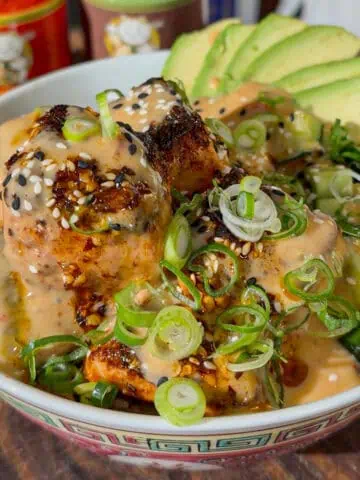
Savor Mapo Tofu Udon, where silky tofu and chewy noodles swim in spicy, savory Sichuan bliss.
Hey fam! If you love bold flavors, cozy bowls, and noodles that hug sauce like a best friend, Mapo Tofu Udon is about to steal your heart. This one’s spicy, creamy, and deeply comforting, yet totally foolproof. Trust me—you’re about to make a one-bowl wonder that feels like a warm, umami-packed hug after a long day.
What is Mapo Tofu Udon
Mapo Tofu Udon is a Japanese-Chinese fusion noodle dish that blends the fiery, savory punch of classic mapo tofu with thick, chewy udon noodles.
You get silky tofu, rich chili-bean sauce, and bouncy noodles all tangled together into one seriously satisfying bowl that’s just right for weeknight cravings.
Where is Mapo Tofu Udon from
Mapo Tofu Udon is inspired by Sichuan Chinese mapo tofu and reimagined through Japanese udon culture, making it a modern fusion dish loved across home kitchens and viral food feeds.
How to make it (short & sweet)
You cook a spicy minced pork sauce, blend a creamy tofu sauce, boil udon separately, then bring everything together in one comforting bowl. Simple steps, big payoff—easy to follow and wildly rewarding.
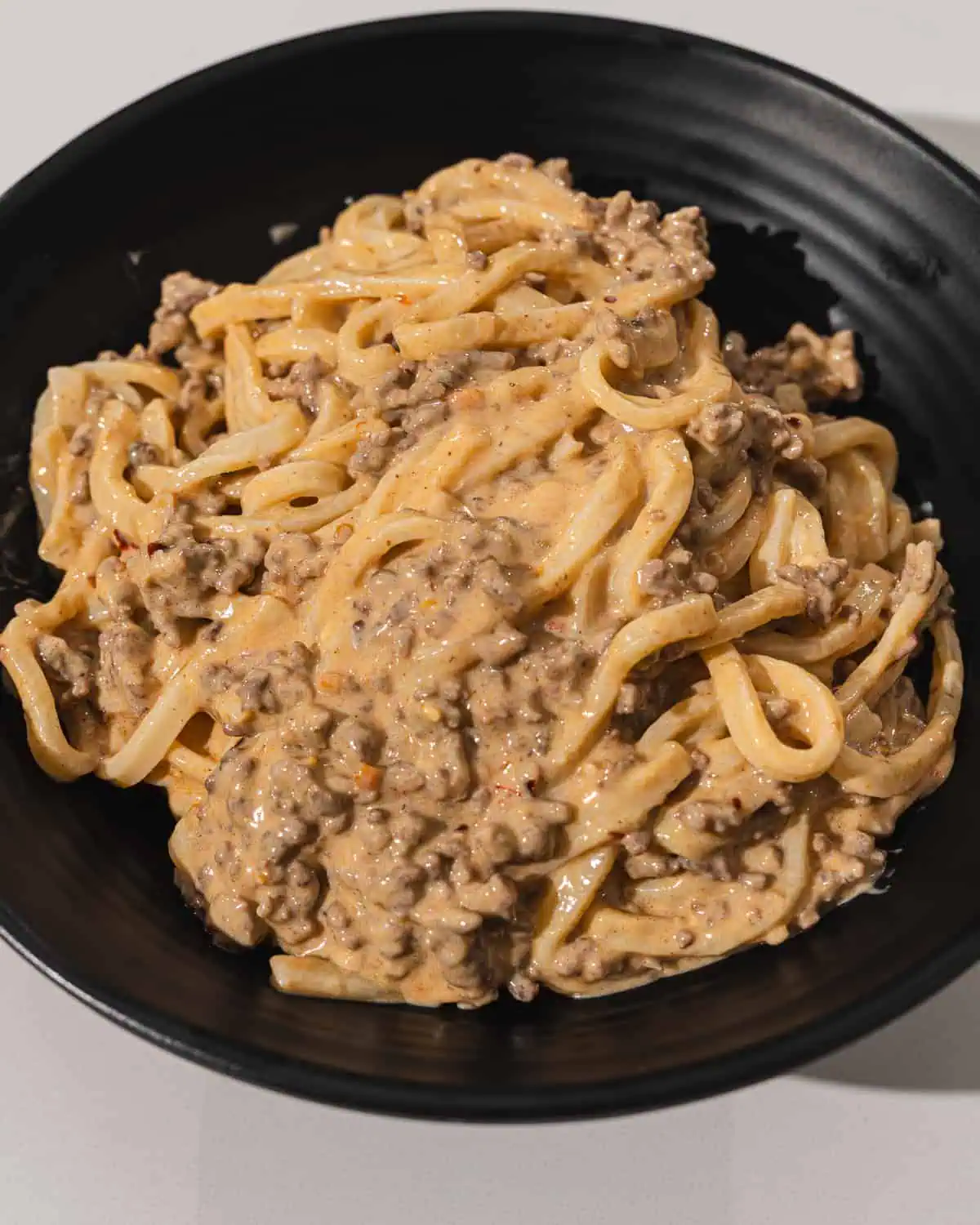
Ingredients
Minced Pork Sauce
- Ground pork – Adds savory richness and that classic mapo-style depth.
- Doubanjiang (fermented chili bean paste) – Brings heat, salt, and bold Sichuan funk.
- Garlic, minced – Builds the aromatic backbone and boosts flavor fast.
- Scallions, white parts chopped – Adds mild onion sweetness and fragrance.
- Oyster sauce – Rounds everything out with deep umami and gloss.
- Shaoxing wine – Lifts flavors and removes any porky edge.
- Chili crisp – Adds texture, heat, and chili-infused oil goodness.
- Black vinegar – Cuts richness with a gentle tangy snap.
- Sugar – Balances spice and salt so flavors stay just right.
- MSG – Enhances savory notes and amplifies umami flavor.
Tofu Cream Sauce
- Silken tofu – Creates a smooth, creamy base without heaviness.
- Peanut butter – Adds richness and nutty depth to the sauce.
- Sesame oil – Brings warmth and toasted aroma.
- White miso – Adds fermented savoriness and mild sweetness.
- Soy sauce – Boosts salt and umami balance.
- Rice vinegar – Brightens the sauce and keeps it from tasting flat.
- MSG – Makes the sauce taste fuller and more satisfying.
Other Ingredients
- Udon noodles – Thick, chewy noodles that hold sauce beautifully.
- Scallions, green parts – Fresh garnish that adds color and bite.
- Chili oil (optional) – Finishing drizzle for extra heat and shine.
Steps
- Prepare the Tofu Cream:
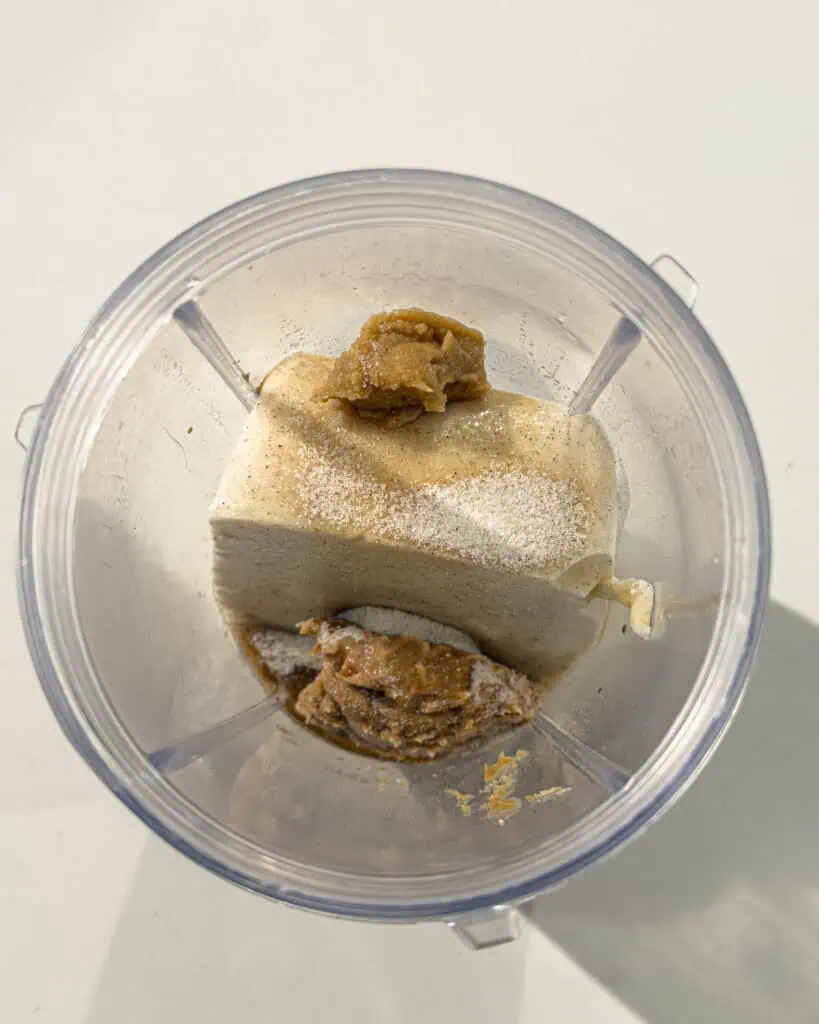
- In a blender, combine silken tofu, peanut butter, sesame oil, miso, soy sauce, rice vinegar, and MSG.
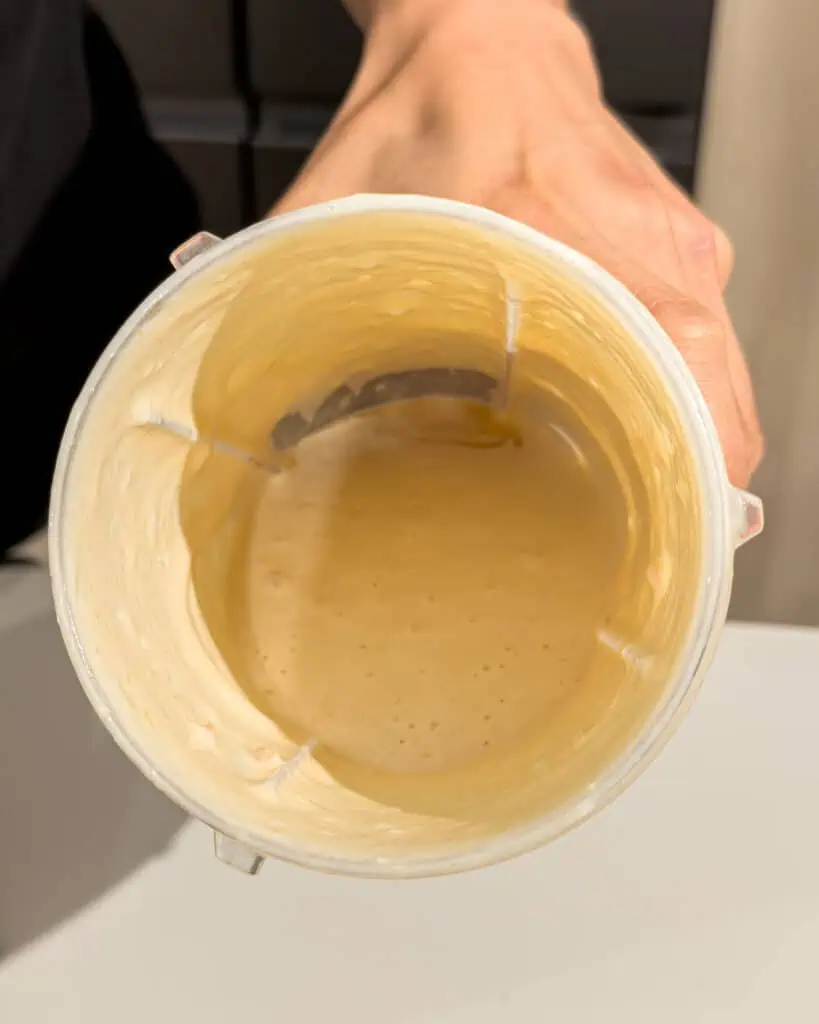
- Blend until smooth and creamy. Taste and adjust seasoning if needed. Set aside.
- Cook the Minced Pork Sauce:
- Heat a wok or large skillet over medium heat with a small amount of oil.
- Stir-fry the white parts of the scallions and minced garlic until fragrant.
- Add doubanjiang and stir for about 30 seconds to release its aroma.
- Add the ground pork and cook, stirring frequently, until browned and most of the moisture has evaporated.
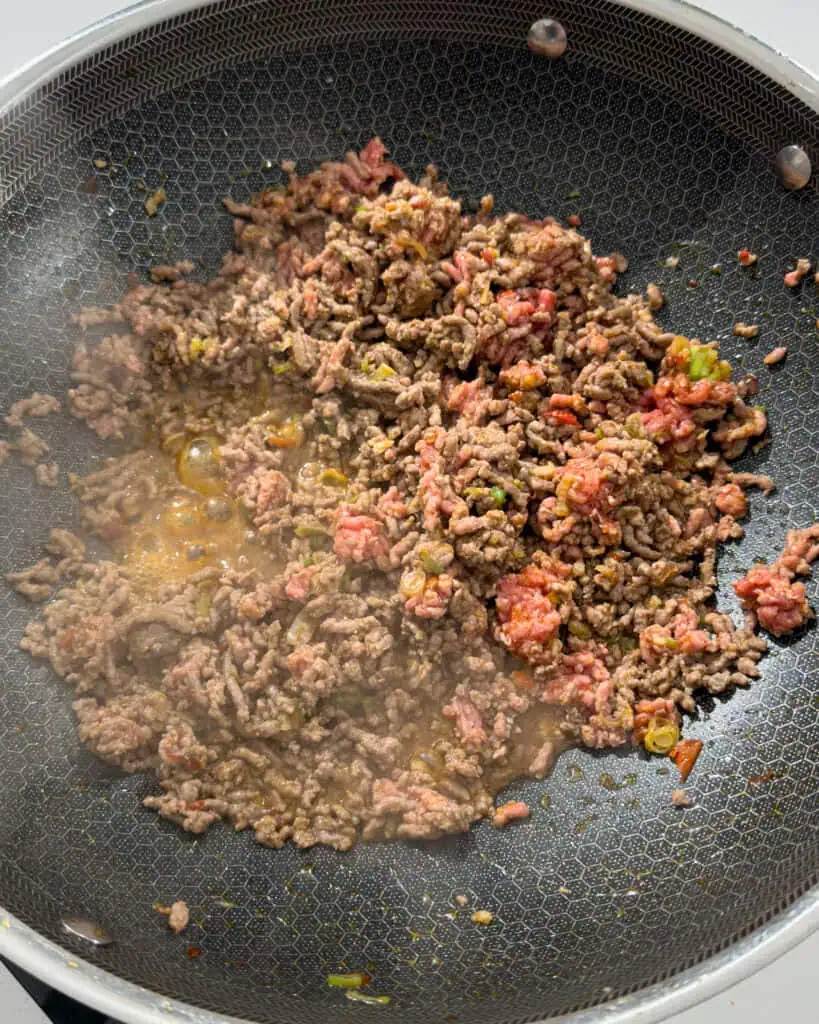
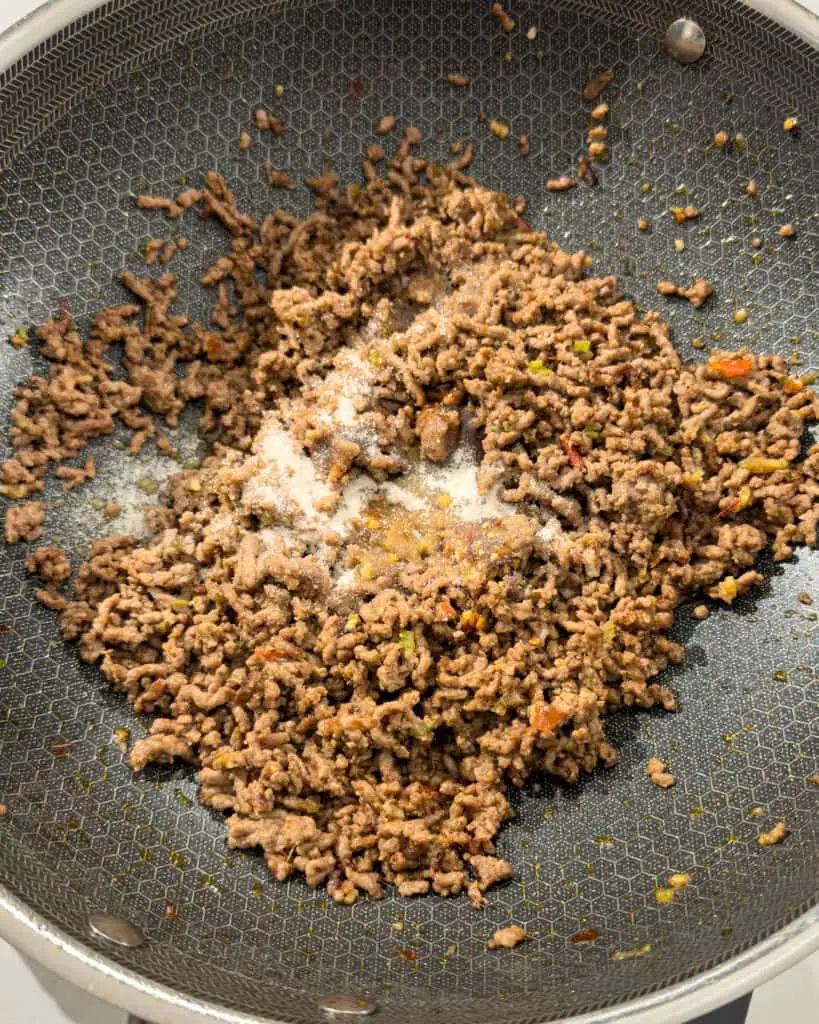
- Add Seasoning:
- Stir in chili crisp, oyster sauce, Shaoxing wine, black vinegar, sugar, and a pinch of MSG.
- Continue to cook for 4–5 minutes until the sauce thickens slightly and flavors meld.
- Cook the Udon:
- Boil udon noodles according to package instructions. Drain and set aside.
- Assemble the Dish:
- Place cooked udon in serving bowls.
- Spoon the minced pork sauce over the noodles.
- Pour the tofu cream sauce on top.
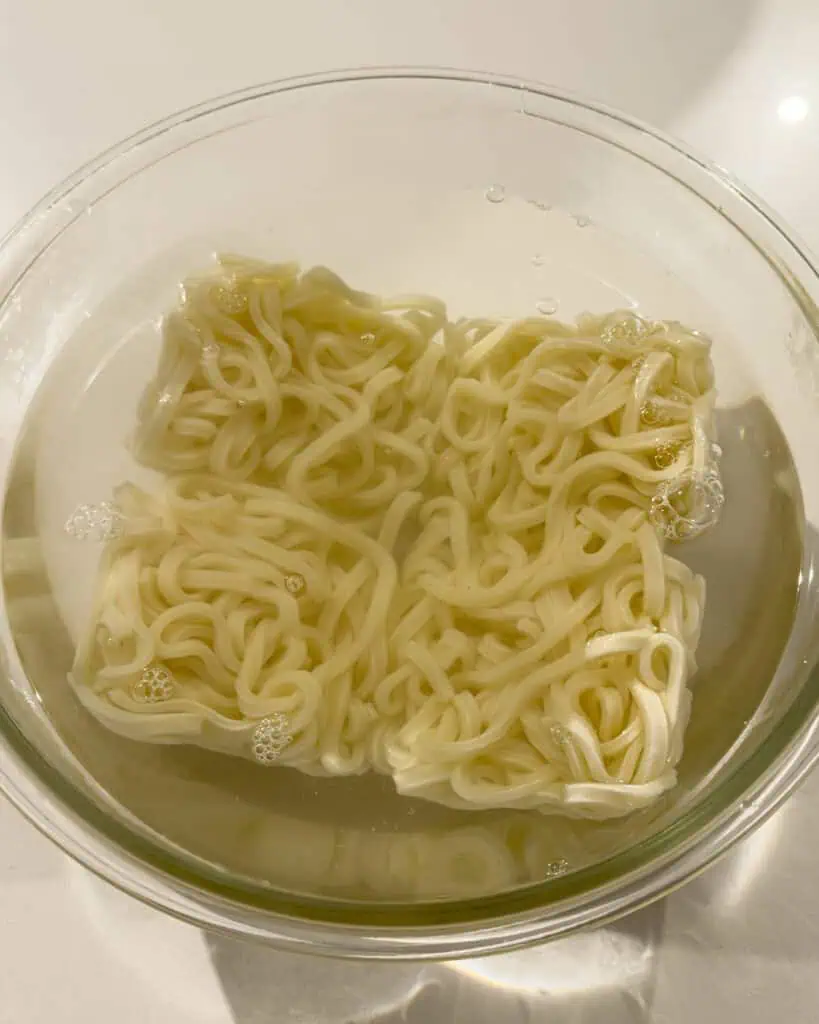
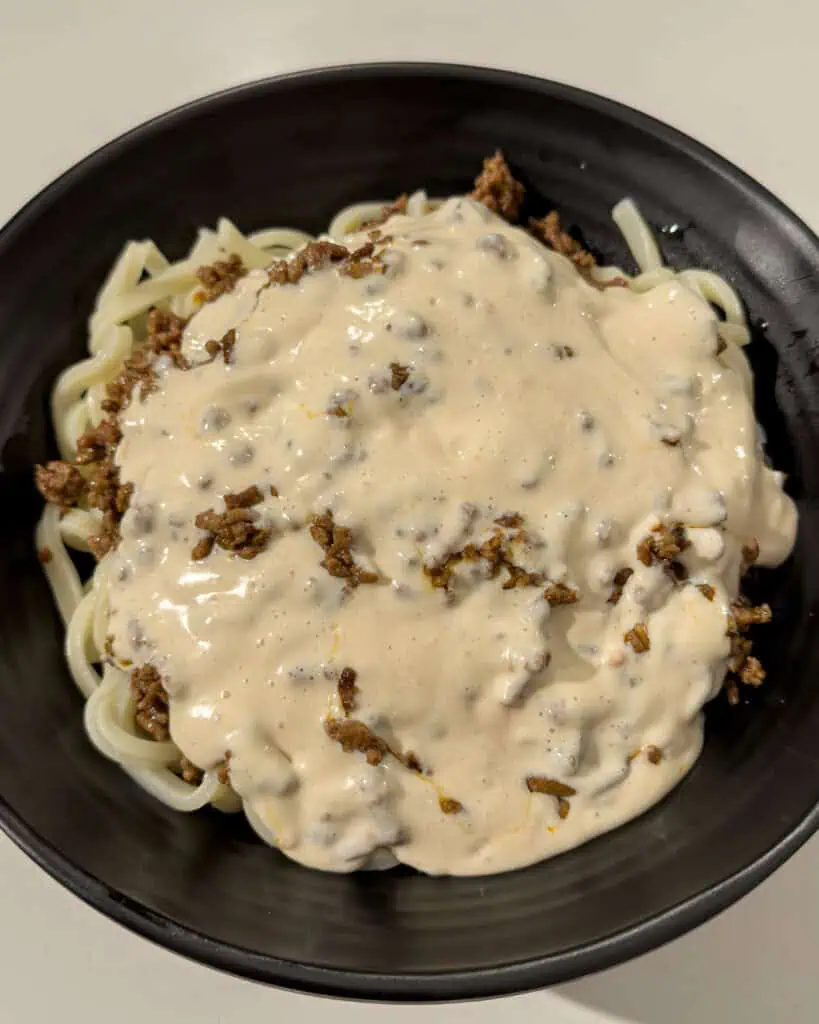
- Garnish and Serve:
- Top with cucumber slices, green parts of scallions, and a drizzle of chili oil if desired.
- Mix thoroughly before eating to enjoy a creamy, spicy, and flavorful bite.
Essential Tips for Perfect Mapo Tofu Udon
These tips are your safety net, fam.
Follow them and your Mapo Tofu Udon will taste bold, glossy, and restaurant-level cozy—without the stress.
Choose the Right Tofu for Mapo Tofu Udon
Soft or silken tofu is the secret weapon if you want that dreamy, creamy finish.
It blends into a sauce that feels like velvet on your tongue, and it makes the whole bowl taste richer without being heavy.
Handle it gently, though—silken tofu is basically the “soft-hearted friend” of the tofu world.
Use a spoon, not brute force, and don’t aggressively stir like you’re mad at it.
Cut the tofu into even cubes (or break it into soft chunks) so every bite feels balanced.
Big uneven pieces can make the bowl feel messy, while uniform pieces make it feel “just right.”
If you’re worried about tofu breaking, here’s a foolproof trick: warm it gently in hot water for 30–60 seconds before using.
This helps it hold together better and keeps it from tasting fridge-cold in the final bowl.
How to Balance Spice and Umami
This dish can go from “wow, this is perfect” to “my tongue is crying” if you dump heat in too fast.
So do it like a pro: start small with doubanjiang and chili oil, then build.
Doubanjiang is salty, fermented, and powerful—like the loud friend at the party who takes over the whole room.
Bloom it in oil for a few seconds to wake up the flavor, but don’t burn it or it turns bitter.
Now the balance part: soy sauce and oyster sauce add depth, but they also add salt.
Sugar is your peacekeeper here—it smooths sharp edges and makes the spice feel exciting instead of aggressive.
And don’t skip the vinegar.
A little black vinegar (or rice vinegar) cuts through richness and keeps the bowl tasting bright, not heavy.
Taste before adding extra heat, always.
Because once it’s too spicy, you’re basically stuck doing damage control with more tofu sauce.
If you love bold chili-sesame depth, this classic Dan Dan Noodles recipe delivers that same addictive spicy-umami punch in a slurpable noodle bowl.
Cooking Udon Noodles the Right Way
Udon noodles are chewy little champs, but they can turn sad and gummy if you treat them wrong.
The #1 rule: cook them separately, then add them at the very end.
Fresh or frozen udon is ideal because it stays thick and bouncy.
Dried udon works too, but it can be softer, so watch it closely and don’t overcook.
Once boiled, you have two smart options depending on your timing:
If you’re serving immediately, drain and toss lightly with a tiny bit of oil so they don’t stick.
If your noodles will sit even a few minutes, give them a quick rinse to remove excess surface starch.
This prevents that gluey texture and keeps the noodles springy.
Add noodles only when your sauces are ready.
That way, the udon stays chewy and doesn’t soak up sauce too early like a sponge.
Getting the Sauce Texture Just Right
This is where your Mapo Tofu Udon goes from “home dinner” to “takeaway-style comfort meal.”
You want the pork sauce glossy and clingy—not watery, not paste-thick.
A cornstarch slurry is the classic fix for that restaurant sheen.
Mix cornstarch with cold water first, then drizzle it into simmering sauce while stirring.
Let it simmer until it turns glossy and smooth.
That shine is your green light—once it coats a spoon nicely, you’re in business.
Avoid over-thickening, because udon needs sauce that flows a little.
If it gets too thick, loosen it with a splash of water or broth and simmer 10 seconds.
And here’s the “trust me” moment: keep heat medium when combining sauces.
High heat can make creamy tofu sauces split or turn grainy, and we’re not doing that today, fam.
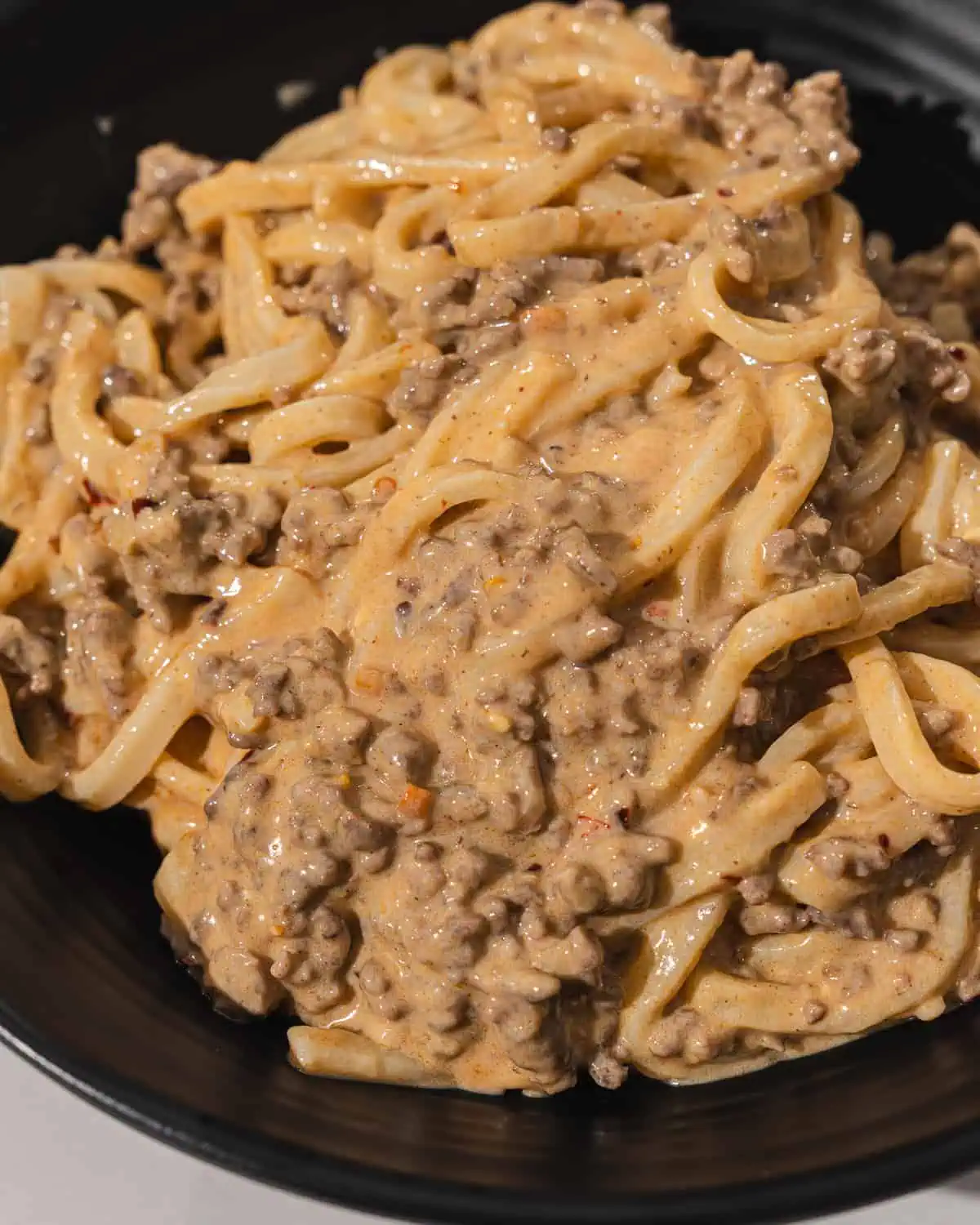
Serving Suggestions and Storage for Mapo Tofu Udon
This is where your Mapo Tofu Udon goes from “I made noodles” to “wow… I’m basically a noodle wizard.”
Serving and storing it the right way keeps the udon chewy, the sauce glossy, and the whole bowl tasting just right.
Best Ways to Serve Mapo Tofu Udon
Serve it hot in deep bowls, because this dish is saucy and proud of it.
A shallow plate makes everything spill around like a clumsy dance, but a bowl keeps it cozy and contained.
Start with udon first, then spoon the minced pork sauce over the top.
Finish by draping that tofu cream sauce like a silky blanket—yeah, that “wok-kissed” vibe, but in bowl form.
Garnish matters more than people think.
Scallion greens add freshness and crunch, and a drizzle of chili oil gives it that glossy “restaurant finish” that makes you wanna take a photo before you even taste it.
If you want the flavor to pop even harder, add a tiny extra splash of black vinegar at the end.
That little tang wakes everything up and makes the umami hit like a happy surprise.
Making It a Complete Meal
This bowl is already comfort food gold, but you can make it feel like a full-on feast with easy add-ins.
Think of it like building your perfect “Mapo tofu udon bowl” that matches your mood.
For extra umami and texture, mushrooms are an absolute win.
Sauté chopped shiitake, cremini, or oyster mushrooms until browned, then fold them into the pork sauce or serve on top.
Want more greens without turning it into “sad salad noodles”?
Add bok choy, baby spinach, or even shredded napa cabbage—just toss them in at the end so they stay bright and tender.
Edamame is another easy boost.
It adds protein, a little sweetness, and makes your bowl feel more balanced without any extra effort.
For side dishes, keep it simple.
A quick cucumber salad, steamed greens, or a small miso soup on the side makes your meal feel complete without stealing the spotlight from your udon.
How to Store Leftover Mapo Tofu Udon
Leftovers can be amazing, but only if you store them smart.
The biggest mistake is packing everything together—udon absorbs sauce like it’s getting paid for it, and then it turns soft and heavy.
So here’s the foolproof move: store the sauce and noodles separately.
Keep the minced pork sauce in one airtight container, and the udon in another.
If you’ve already mixed everything, don’t panic—you can still save it.
Just expect the noodles to soften a bit, and plan to refresh it with a splash of water when reheating.
Refrigerate for up to two days.
After that, the noodle texture drops off, and the flavor starts losing that fresh, punchy edge.
Reheating Without Losing Texture
Reheat the sauces gently on the stove over low to medium heat.
This keeps the tofu cream sauce smooth and prevents it from turning grainy or splitting—because nobody wants “broken sauce sadness.”
If the pork sauce thickened too much in the fridge, add a splash of water or broth.
Stir and simmer for 10–20 seconds until it turns glossy again.
Warm the udon separately if you can.
A quick dunk in hot water or a short microwave burst with a damp paper towel helps the noodles loosen without drying out.
Then toss noodles in right before serving.
That’s how you keep the udon chewy and stop it from going gummy.
Finish with fresh scallions and a tiny drizzle of chili oil again.
That last touch brings the whole bowl back to life like magic—trust me, fam.
Mapo Tofu Udon Variations
This is where you make Mapo Tofu Udon your own, fam.
Whether you’re cooking vegan, dialing up the heat, or switching proteins, these variations keep the soul of the dish intact while letting you play.
Vegan and Plant-Based Mapo Tofu Udon
Turning this into a vegan or vegetarian bowl is easier than you think, and honestly—it still slaps.
The key is replacing the pork with something that brings umami and texture, not just bulk.
Finely chopped mushrooms are the MVP here.
Shiitake, cremini, or oyster mushrooms cook down beautifully and soak up the chili bean paste like champs.
You can also use plant-based mince if you want that classic “ground meat” vibe without the meat.
Just brown it well so it develops flavor instead of tasting flat.
Swap oyster sauce for soy-based or mushroom oyster sauce alternatives.
And make sure your doubanjiang and chili crisp are vegan-friendly—some versions sneak in shrimp or fish.
The tofu cream sauce stays exactly the same.
Silken tofu, sesame oil, and miso already bring enough richness to make this version feel comforting, indulgent, and totally satisfying.
Japanese-Style Mapo Tofu Udon
This version leans softer, gentler, and more rounded—perfect if you want warmth without aggressive heat.
Think comfort-first, spice-second.
Use a milder chili oil and go lighter on the doubanjiang.
You still want that fermented depth, just without the fiery punch stealing the show.
White miso becomes the star here.
It adds sweetness and umami that feels cozy and balanced, especially paired with chewy udon noodles.
Sesame oil plays a bigger role in this version.
A small drizzle at the end enhances aroma and gives the bowl that unmistakable Japanese noodle shop vibe.
Keep the flavors clean and harmonious.
This style is all about smoothness, balance, and letting the udon shine through the sauce.
If you’re craving miso-forward heat with fewer steps, these cozy Miso Chili Noodles deliver big umami with a weeknight-friendly twist.
Extra Spicy Mapo Tofu Udon
Okay spice lovers—this one’s for you.
If you want your spicy mapo tofu udon to make you sweat a little (in a good way), here’s how to do it right.
Start with Sichuan peppercorns.
Toast and grind them lightly, then add a pinch to the sauce for that signature numbing tingle that makes mapo tofu iconic.
Increase chili oil gradually.
Layering heat works better than dumping it all at once—it builds complexity instead of just burning your mouth.
Chili crisp is your finishing weapon.
Spoon it on right before serving so the crunchy bits stay crispy and the oil perfumes the whole bowl.
Taste as you go, always.
You want bold heat, not chaos—and trust me, there’s a fine line.
Protein Add-Ins and Custom Options
This dish is incredibly flexible, so don’t be afraid to experiment.
Mapo tofu udon is forgiving, easy to follow, and perfect for using what you’ve got.
Tofu skin or soy curls are excellent protein add-ins.
They soak up sauce like sponges and add chewy texture that works beautifully with udon noodles.
Lentils are another smart option.
Cooked brown or green lentils bring earthiness and bulk, especially if you’re going meat-free.
You can also mix proteins.
A little pork plus mushrooms, or tofu plus minced chicken, gives layered texture and deeper flavor.
At the end of the day, this is your bowl.
Adjust toppings, heat, and richness to taste—that’s how comfort food should be.
Common Mistakes to Avoid When Making Mapo Tofu Udon
Even a foolproof dish like Mapo Tofu Udon has a few sneaky pitfalls.
Avoid these, and your bowl stays creamy, spicy, and comforting instead of turning into a “what went wrong?” moment.
Overcooking the Tofu
Tofu doesn’t like rough treatment, fam.
If you boil or aggressively stir it, it breaks apart and loses that soft, luscious texture that makes this dish special.
Silken tofu should only be warmed gently.
Think “slow simmer,” not “full rolling boil,” especially when it’s already blended into the sauce.
Once tofu overheats, it turns grainy and watery.
That’s the fastest way to lose the creamy mouthfeel you worked so hard to build.
Making the Sauce Too Salty
This recipe layers flavor fast, and salt sneaks up on you.
Doubanjiang, soy sauce, oyster sauce, and miso all bring salt to the party.
The mistake is seasoning everything at once without tasting.
Instead, add sauces gradually and taste after each major step.
If you do overshoot, don’t panic.
A pinch of sugar, a splash of water, or extra tofu cream can bring the balance back to “just right.”
Adding Udon Too Early
Udon noodles are thirsty, and they absorb sauce like crazy.
If you add them too early, they soak up everything and turn soft and gummy.
Always add udon at the very end.
That way, the noodles stay chewy and the sauce clings instead of disappearing.
This single step makes the difference between a noodle bowl and a noodle blob.
Trust me—timing matters here.
Skipping Oil and Aromatics
Oil isn’t just fat—it’s flavor delivery.
Skipping oil means your spices never fully bloom, and the dish tastes flat.
Garlic, ginger, and scallions are non-negotiable.
They form the aromatic base that gives mapo tofu its signature depth.
When you heat oil first and then add aromatics, the kitchen smells amazing—and that’s how you know you’re doing it right.
If it doesn’t smell incredible, something’s missing.
Frequently Asked Questions About Mapo Tofu Udon
These are the questions I get all the time, fam—and honestly, they’re good ones.
If you’re making Mapo Tofu Udon for the first time, this section will calm your nerves and help you cook with confidence.
Is Mapo Tofu Udon Very Spicy
It can be spicy, but it doesn’t have to be.
That’s the beauty of this dish—you’re totally in control of the heat.
Doubanjiang and chili oil are the main heat sources, so start small and build up slowly.
If you want a milder bowl, lean more on miso, sesame oil, and tofu cream for richness instead of spice.
For spice lovers, go all in with chili crisp and Sichuan peppercorns.
Either way, this dish stays comforting, not overwhelming.
Can I Make Mapo Tofu Udon Ahead of Time
Yes—but with a little strategy.
The sauce components actually taste even better after resting.
You can make the minced pork sauce and tofu cream sauce a day ahead and refrigerate them separately.
This lets the flavors deepen without sacrificing texture.
Udon noodles, however, are best cooked fresh.
Assemble everything just before serving so the noodles stay chewy and the bowl feels lively.
What Type of Udon Works Best
Fresh or frozen udon noodles are your best bet.
They’re thick, springy, and strong enough to carry the rich mapo tofu udon sauce.
Avoid thin dried noodles if you can.
They tend to soften too quickly and don’t hold onto the sauce as well.
Look for udon labeled “sanuki-style” if available.
Those noodles are especially bouncy and perfect for a saucy noodle bowl.
Can I Freeze Mapo Tofu Udon
Freezing the full dish isn’t recommended.
Udon noodles lose their texture and turn mushy after thawing.
The sauce, however, freezes much better on its own.
Store it in an airtight container and freeze for up to one month.
When you’re ready to eat, thaw the sauce gently and cook fresh udon.
That way, your bowl still tastes rich, comforting, and freshly made.
Let’s Wrap It Up
And that’s it! You've got yourself a delicious Mapo Tofu Udon ready in under 15 minutes. Trust me, this recipe is going to become one of your go-tos for busy days or when you just want something comforting and tasty.
I can’t wait to see your versions of this dish! If you give it a try, tag me on Instagram (@geniuseatss) and show me how it turned out. I love seeing your creativity in the kitchen—it seriously makes my day. You guys rock!
Happy cooking, and I’ll catch you in the next one!
PrintCreamy Mapo Tofu Udon

Savor Mapo Tofu Udon, where silky tofu and chewy noodles swim in spicy, savory Sichuan bliss.
- Prep Time: 10 minutes
- Cook Time: 10 minutes
- Total Time: 20 minutes
- Yield: 3 servings 1x
- Category: Noodles
- Method: Easy
Ingredients
Minced Pork Sauce:
- 500 g ground pork
- 1.5 tablespoons doubanjiang (fermented chili bean paste)
- 4 cloves garlic, minced
- White parts of 2–3 scallions, chopped
- 1 tablespoon oyster sauce
- 1 tablespoon Shaoxing wine
- ½ tablespoon chili crisp
- 1 teaspoon black vinegar
- 1 teaspoon sugar
- Pinch of MSG
Tofu Cream Sauce:
- 1 block silken tofu (300–350 g)
- 2–3 tablespoons peanut butter
- 1 teaspoon sesame oil
- 1 teaspoon white miso
- ½ teaspoon soy sauce
- ½ teaspoon rice vinegar
- Pinch of MSG
Other Ingredients:
- 200 g udon noodles (fresh or dried)
- Green parts of scallions, for garnish
- Chili oil, for drizzling (optional)
Instructions
- Prepare the Tofu Cream:
- In a blender, combine silken tofu, peanut butter, sesame oil, miso, soy sauce, rice vinegar, and MSG.
- Blend until smooth and creamy. Taste and adjust seasoning if needed. Set aside.
- Cook the Minced Pork Sauce:
- Heat a wok or large skillet over medium heat with a small amount of oil.
- Stir-fry the white parts of the scallions and minced garlic until fragrant.
- Add doubanjiang and stir for about 30 seconds to release its aroma.
- Add the ground pork and cook, stirring frequently, until browned and most of the moisture has evaporated.
- Add Seasoning:
- Stir in chili crisp, oyster sauce, Shaoxing wine, black vinegar, sugar, and a pinch of MSG.
- Continue to cook for 4–5 minutes until the sauce thickens slightly and flavors meld.
- Cook the Udon:
- Boil udon noodles according to package instructions. Drain and set aside.
- Assemble the Dish:
- Place cooked udon in serving bowls.
- Spoon the minced pork sauce over the noodles.
- Pour the tofu cream sauce on top.
- Garnish and Serve:
- Top with cucumber slices, green parts of scallions, and a drizzle of chili oil if desired.
- Mix thoroughly before eating to enjoy a creamy, spicy, and flavorful bite.

Leave a Reply