
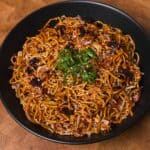

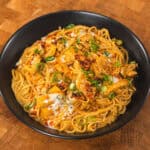

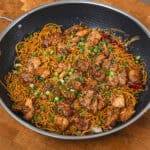

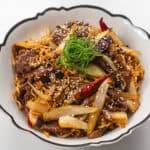







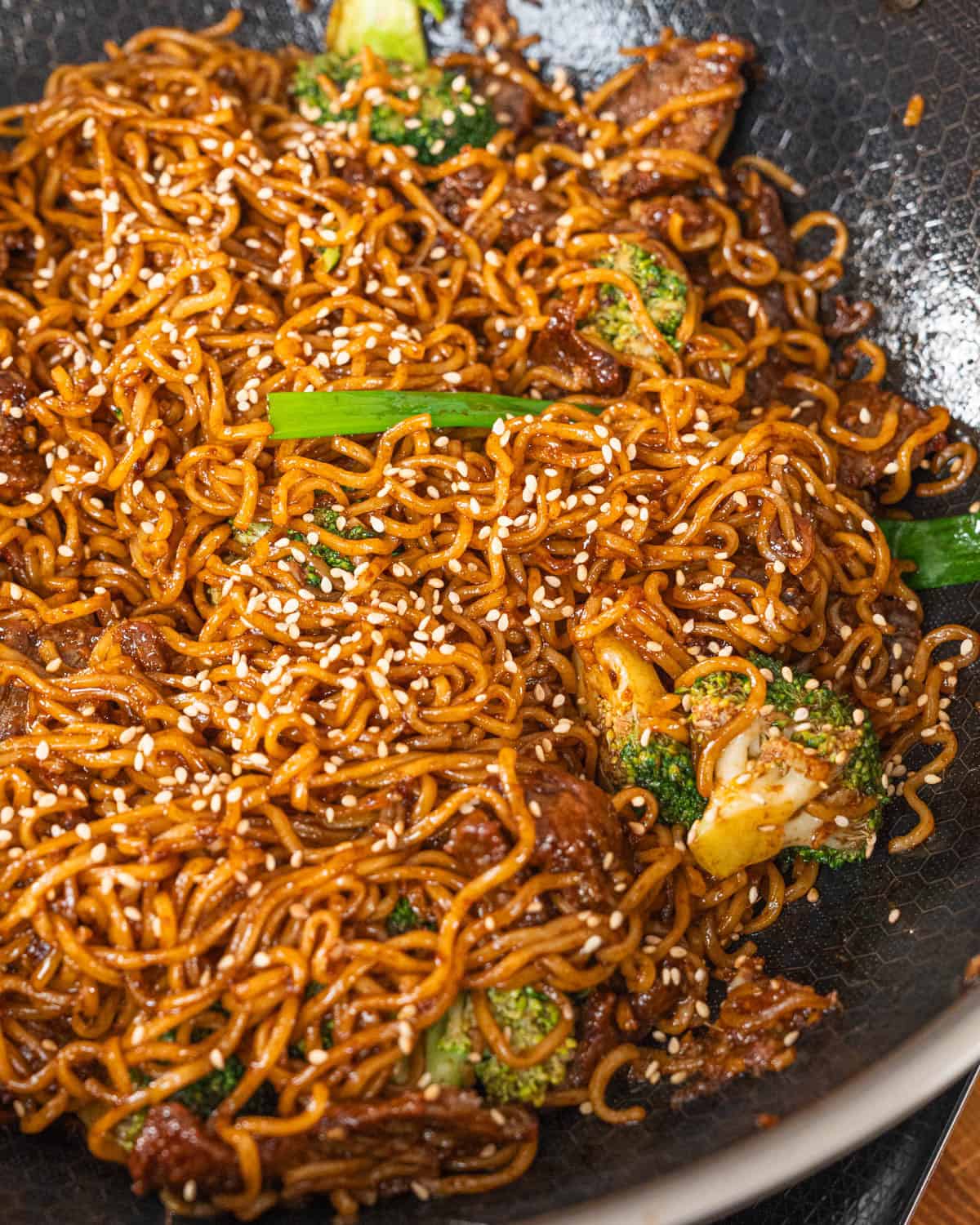
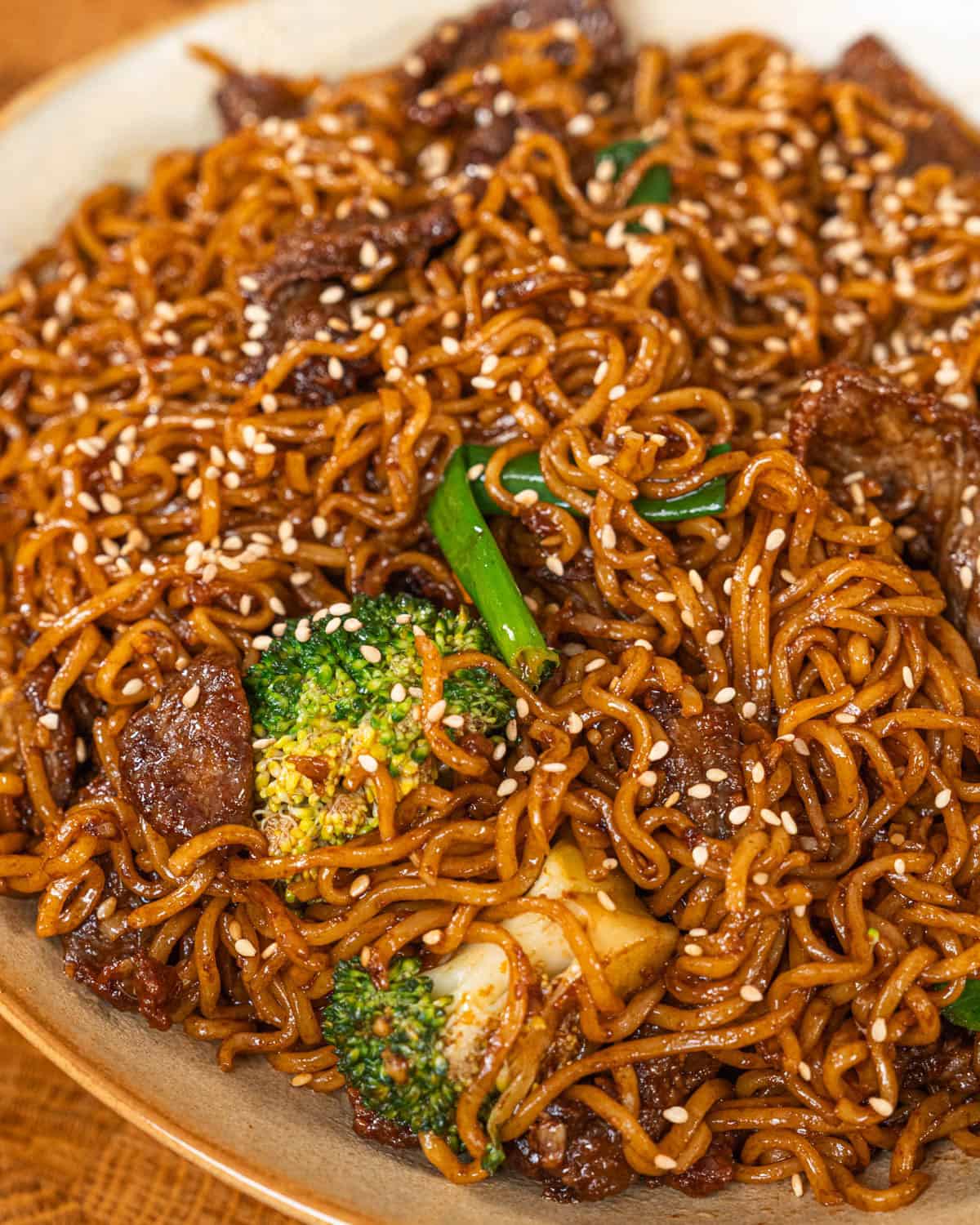
Savor Beef and Broccoli Chow Mein, packed with tender beef, crisp broccoli, and savory noodles!
Beef and Broccoli Chow Mein is your cozy takeout-style noodle night made easy at home, fam. You get tender beef strips, bright broccoli florets, chewy chow mein noodles, and a glossy savory stir fry sauce that hugs every bite. Trust me, this is foolproof, easy to follow, and just right.
What is Beef and Broccoli Chow Mein
Beef and Broccoli Chow Mein is a Chinese-American inspired stir fried noodle dish made with thinly sliced beef, broccoli, chow mein noodles, and a savory sauce.
Think of it as your favorite beef and broccoli stir fry, but with noodles joining the party like they were always meant to be there. The sauce is salty, garlicky, glossy, lightly sweet, and full of that wok-kissed flavor that makes you want to go back for “just one more bite.”
This dish is hearty enough for dinner because it has protein, vegetables, noodles, and sauce all in one pan. No need to cook rice on the side unless you are extra hungry, and honestly, I respect that energy.
Where is Beef and Broccoli Chow Mein from: Chinese-American Takeout Cooking
Beef and broccoli is strongly linked with Chinese-American takeout cooking, especially in the United States, while chow mein itself comes from Chinese noodle traditions.
So this recipe sits in that delicious middle place: Chinese-style stir fry technique, Chinese takeout noodles energy, and home-kitchen comfort. It is not trying to be fancy restaurant food; it is trying to make your Tuesday night taste like a tiny celebration.
How to make it
You marinate thinly sliced beef, mix a glossy chow mein sauce, cook or soften the noodles, then stir fry everything in stages.
First the beef gets a quick sear. Then the aromatics, broccoli, and noodles jump in. Last, the sauce hits the hot pan and turns shiny, thick, and saucy like noodle magic.
Ingredients
Marinated beef:
- Steak — Gives the recipe its hearty, savory base and turns the noodles into a full meal.
- Rib-eye steak — Adds rich marbling and juicy tenderness if you want a more luxurious bite.
- Soy sauce — Seasons the beef deeply and starts building that Chinese beef stir fry flavor.
- Sesame oil — Adds nutty aroma, so the marinated beef smells amazing before it even hits the pan.
- Chinese cooking wine — Adds depth and helps remove any heavy beefy smell.
- Baking soda — Helps tenderise beef so the strips stay soft and juicy.
- MSG — Boosts savory flavor and gives the beef that restaurant-style “why is this so good?” taste.
- Cornstarch — Coats the beef lightly so it stays tender and helps the sauce cling later.
- Oil — Helps the beef pieces separate and sear instead of clumping together.
Sauce:
- Soy sauce — Gives the chow mein sauce its salty, savory backbone.
- Dark soy sauce — Adds deeper color and that gorgeous glossy noodle look.
- Oyster sauce — Brings rich, savory depth that makes the sauce taste rounded, not flat.
- Chili oil — Adds heat, aroma, and a little fiery sparkle.
- MSG — Lifts the umami so the sauce tastes bold and complete.
- Chinese cooking wine — Adds fragrance and restaurant-style depth to the savory stir fry sauce.
- Sesame oil — Finishes the sauce with a warm, nutty aroma.
Others:
- Oil — Helps with high heat cooking and keeps the noodles from sticking.
- Shallot — Adds sweet, aromatic flavor that melts into the stir fry.
- Garlic — Gives the dish its bold, comforting garlic sauce flavor.
- Noodles — Chow mein noodles carry the sauce and turn this into a proper noodle feast.
To garnish:
- Sesame seeds — Add a light nutty crunch and make the finished bowl look extra inviting.
Steps
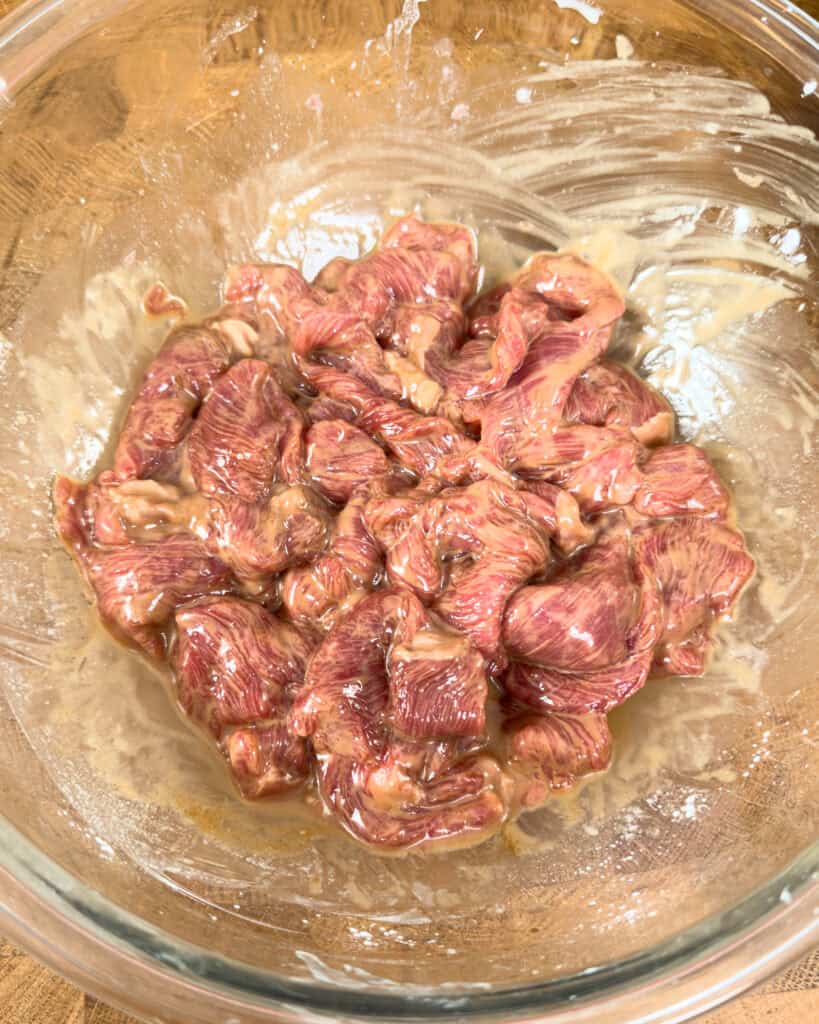
- Marinate the beef: Combine the sliced steak with soy sauce, sesame oil, Chinese cooking wine, baking soda, MSG, cornstarch, and oil. Mix well and let sit for 15 minutes.
- Make the sauce: In a small bowl, mix together soy sauce, dark soy sauce, oyster sauce, chili oil, MSG, Chinese cooking wine, and sesame oil. Set aside.
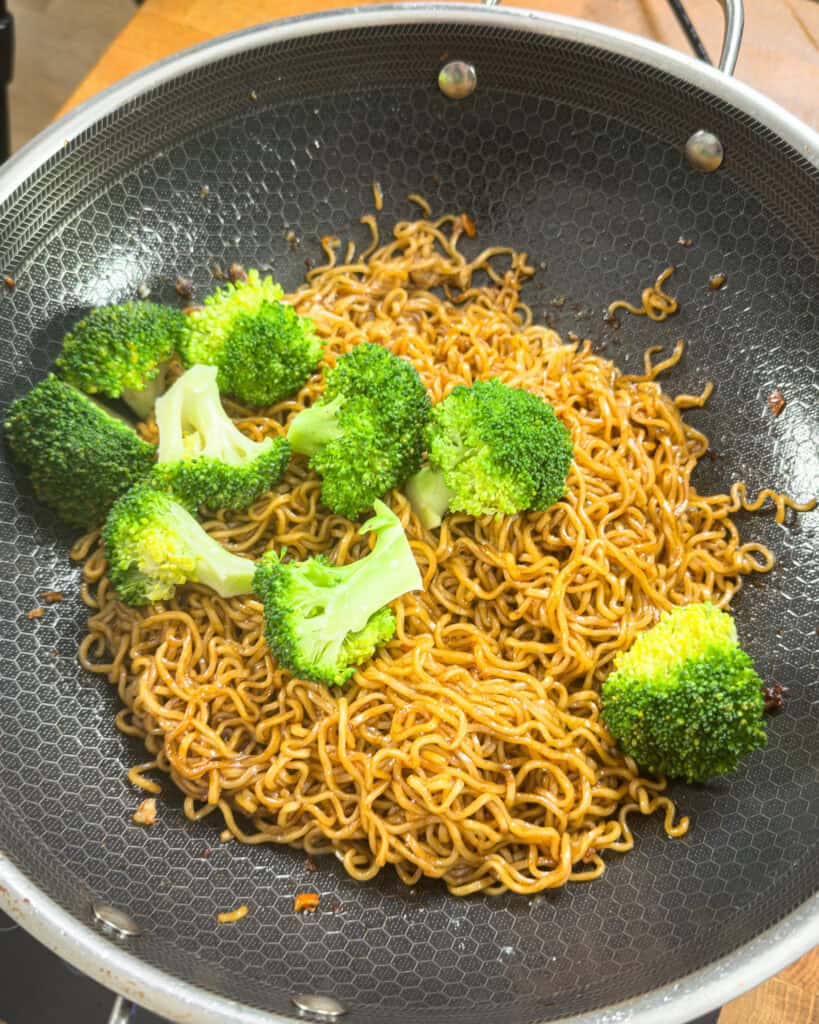
- Prepare the noodles: Cook the noodles according to packet instructions. Drain and set aside.
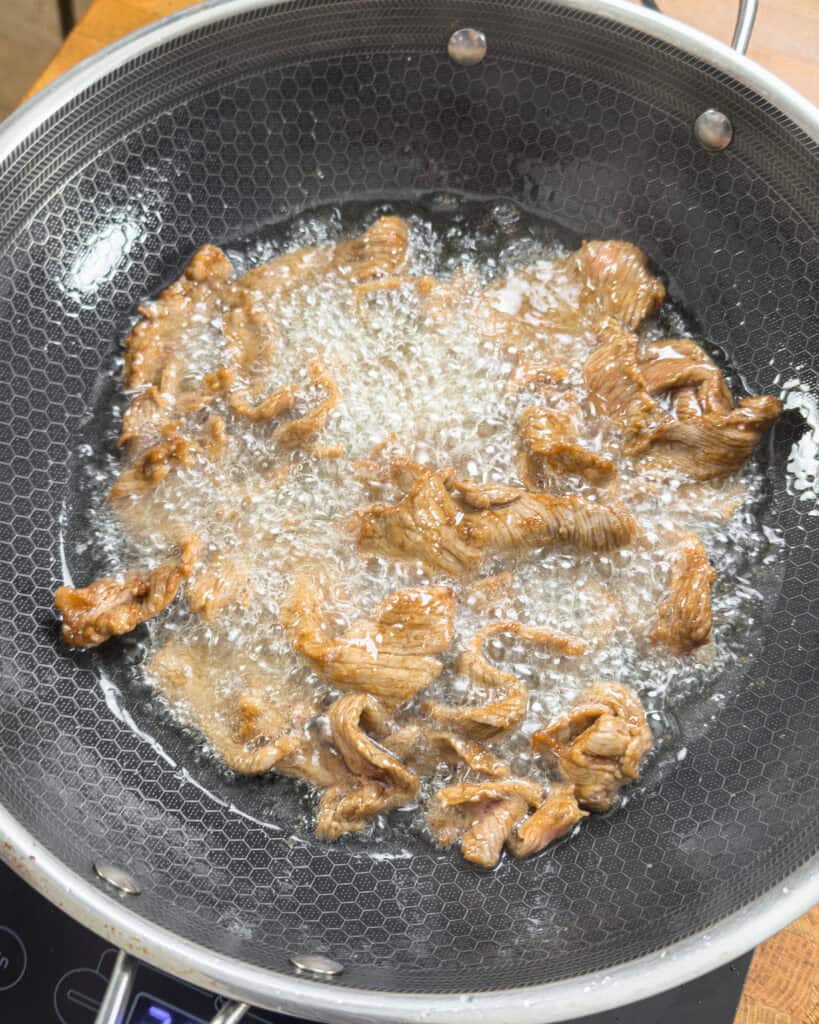
- Cook the beef: Heat 1 tablespoon oil in a wok or large frying pan over high heat. Sear the beef for 1–2 minutes until browned. Remove and set aside.
- Stir-fry: Add the remaining oil, then sauté the shallot and garlic for 30 seconds until fragrant. Add the broccoli and stir-fry for 2–3 minutes.
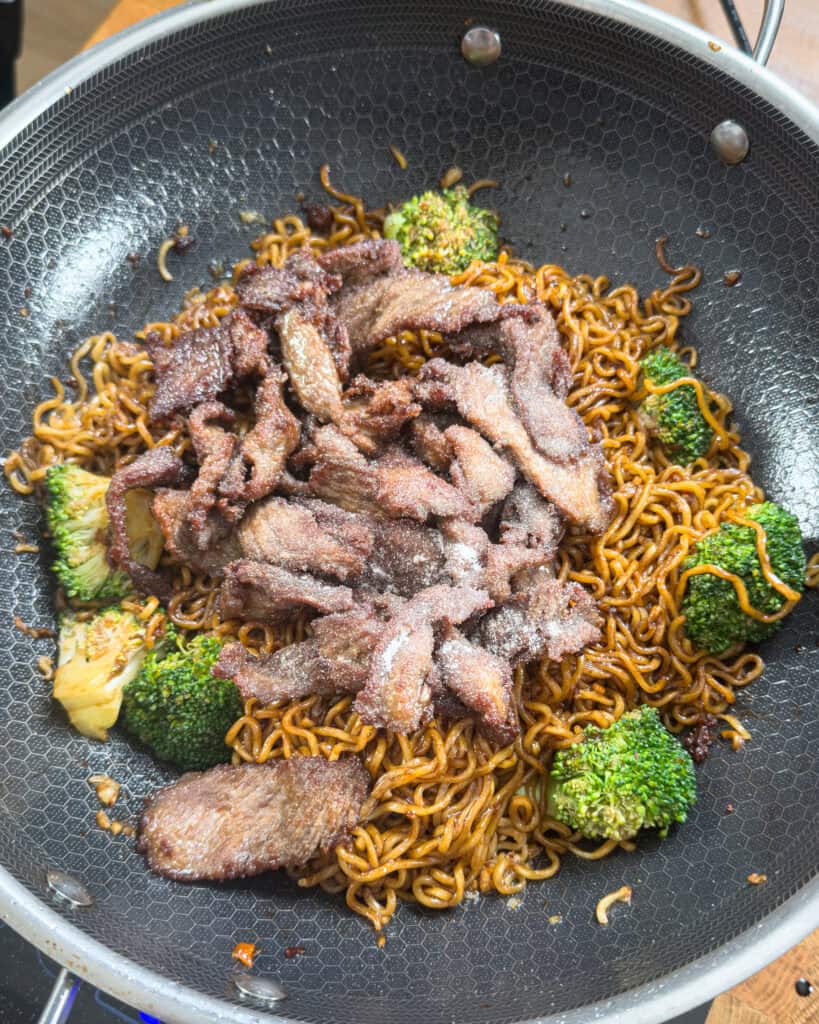
- Combine: Return the beef to the wok, add the noodles and sauce, then toss everything together for 2–3 minutes until well coated and heated through.
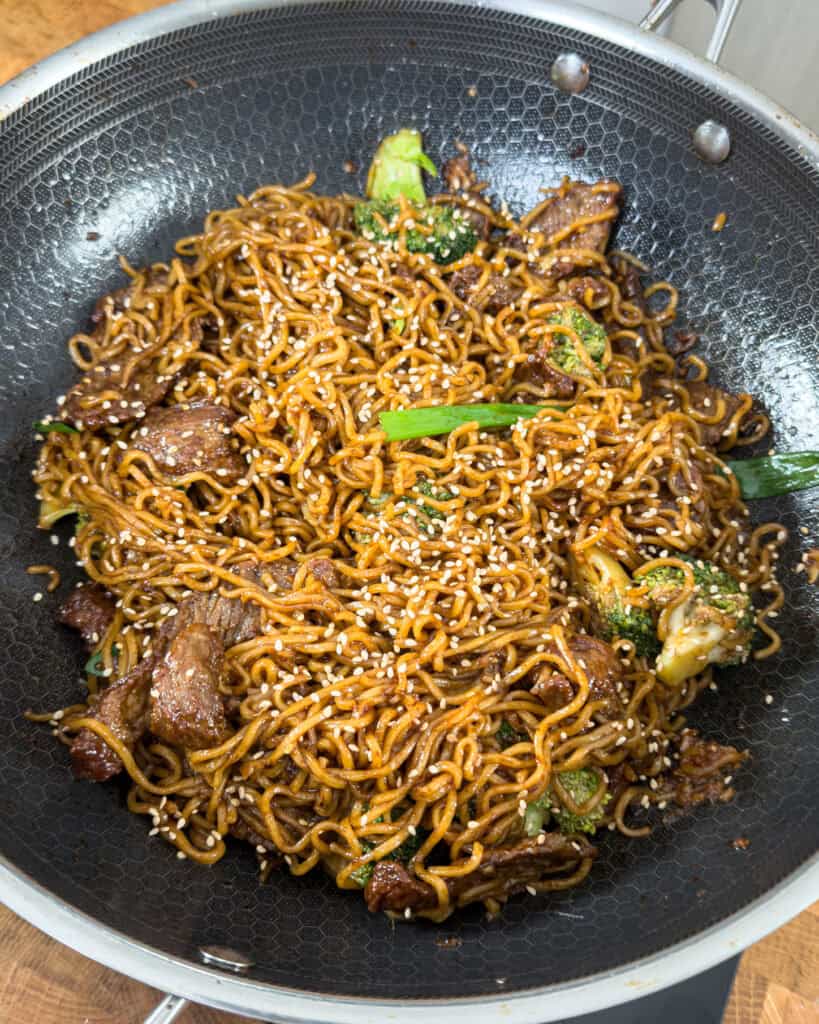
- Serve: Transfer to serving bowls and garnish with sesame seeds.
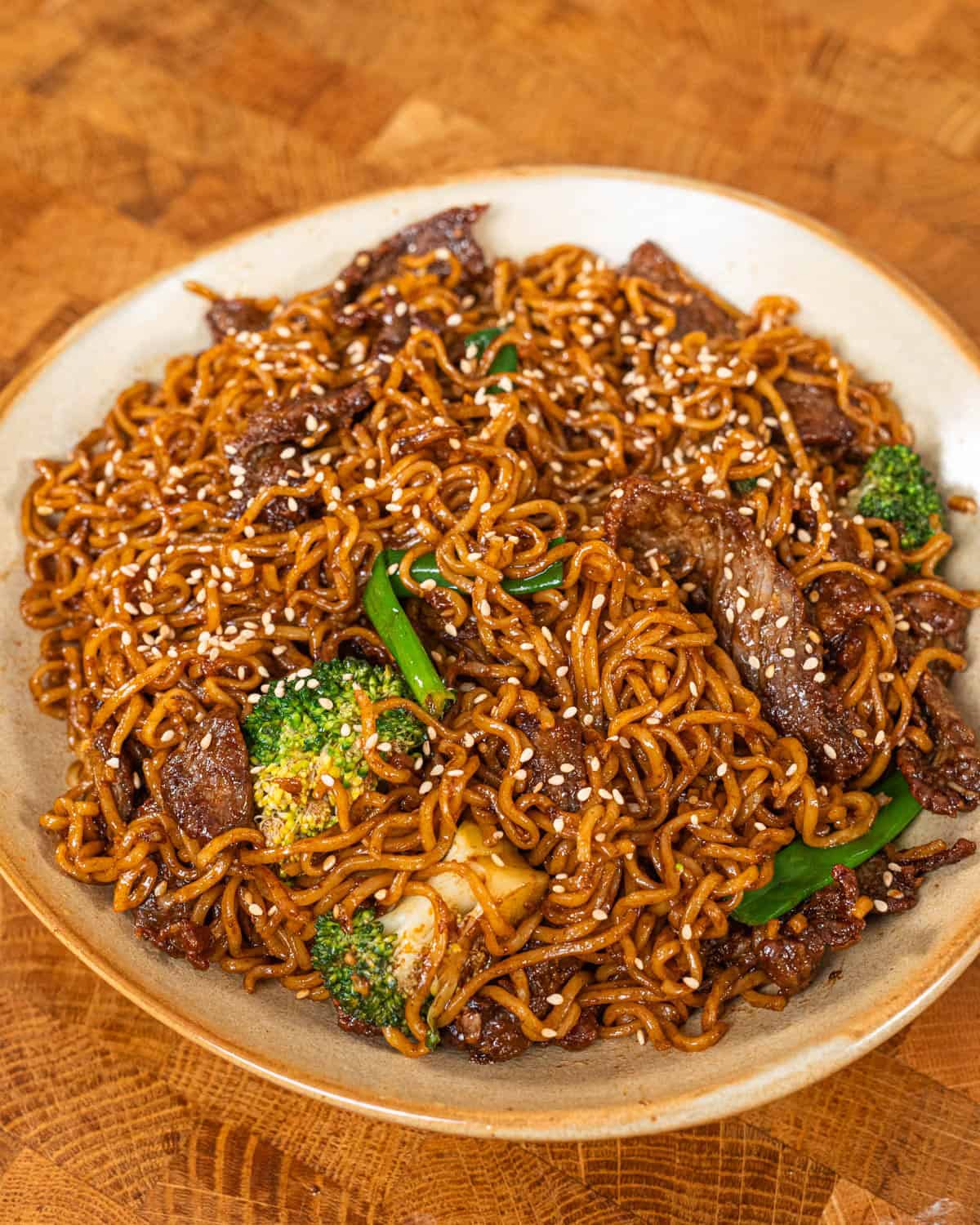
Easy Beef and Broccoli Chow Mein Tips for Tender Beef and Saucy Noodles
Slice the Beef Thinly Against the Grain
Thinly sliced beef is the secret handshake here, fam. When the beef is sliced thin, it cooks fast, stays juicy, and does not turn into chewy little shoe soles.
Look closely at the meat and find the lines running through it. Cut across those lines, not with them, because cutting against the grain shortens the muscle fibers and gives you tender beef strips.
Flank steak strips are fantastic for this. Flat iron steak, sirloin, beef rump steak, rib-eye steak, or other quick cooking beef cuts also work beautifully.
Marinate the Beef Before Stir Frying
Marinated beef tastes deeper, softer, and more exciting. A soy sauce marinade with cornstarch, garlic, and a little sugar gives the beef flavor before it ever touches the pan.
You do not need to marinate all day. For a quick weeknight dinner, 20 to 30 minutes is enough to make the beef taste seasoned and tender.
Longer marinating gives more flavor, but it is not required. This recipe is here to help you win dinner, not stress you out.
Use Cornstarch to Make the Sauce Glossy
Cornstarch is the tiny kitchen hero that makes glossy noodle sauce happen. It thickens the sauce so it clings to the chow mein noodles instead of slipping sadly to the bottom of the pan.
Always mix cornstarch with liquid before adding it to hot food. That little mixture is called a cornstarch slurry, or a cornflour thickener if you are using that term.
Do not sprinkle dry cornstarch straight into hot noodles. It can clump fast, and suddenly your sauce has tiny lumps waving hello. No thank you.
Cook the Noodles Before They Go Into the Wok
Chow mein noodles need to be cooked, softened, or par cooked before they go into the wok. Always follow the package directions because fresh egg noodles, dried chow mein noodles, hokkien noodles, ramen noodles, and lo mein noodles all behave a little differently.
The big rule is this: do not overcook them. The noodles will cook again when they meet the sauce in the pan.
Slightly firm noodles hold their shape better. That gives you stir fried beef noodles with bounce instead of a soft noodle blanket.
Keep the Broccoli Bright and Slightly Crisp
Broccoli chow mein should have broccoli that is tender but still a little crisp. You want tender crisp broccoli, not dull green mush.
Cut the broccoli florets small so they cook quickly. Small florets also mix better with the noodles and beef, so every forkful gets a bit of everything.
Blanching or quick stir frying helps keep the color fresh. When broccoli stays bright green, the whole pan looks alive.
Cook in Stages for the Best Texture
Please do not throw beef, broccoli, noodles, and sauce into the pan all at once and hope for the best. That is not stir fry; that is noodle chaos.
Cook the beef first, then remove it if needed. Cook the shallot, garlic, and broccoli next, then toss in the noodles, sauce, and beef at the end.
This keeps the beef tender, the broccoli crisp, and the noodles saucy instead of soggy. Trust me, cooking in stages is the move.
Use a Deep Skillet if You Do Not Have a Wok
A wok is lovely, but you do not need one to make this recipe. A deep skillet stir fry works perfectly if the pan is wide enough.
Use a large pan with space for tossing. Noodles need room to move, stretch, and soak up the sauce.
If the pan is crowded, everything steams instead of fries. High heat cooking plus space gives you that wok fried noodles flavor, even without a wok.
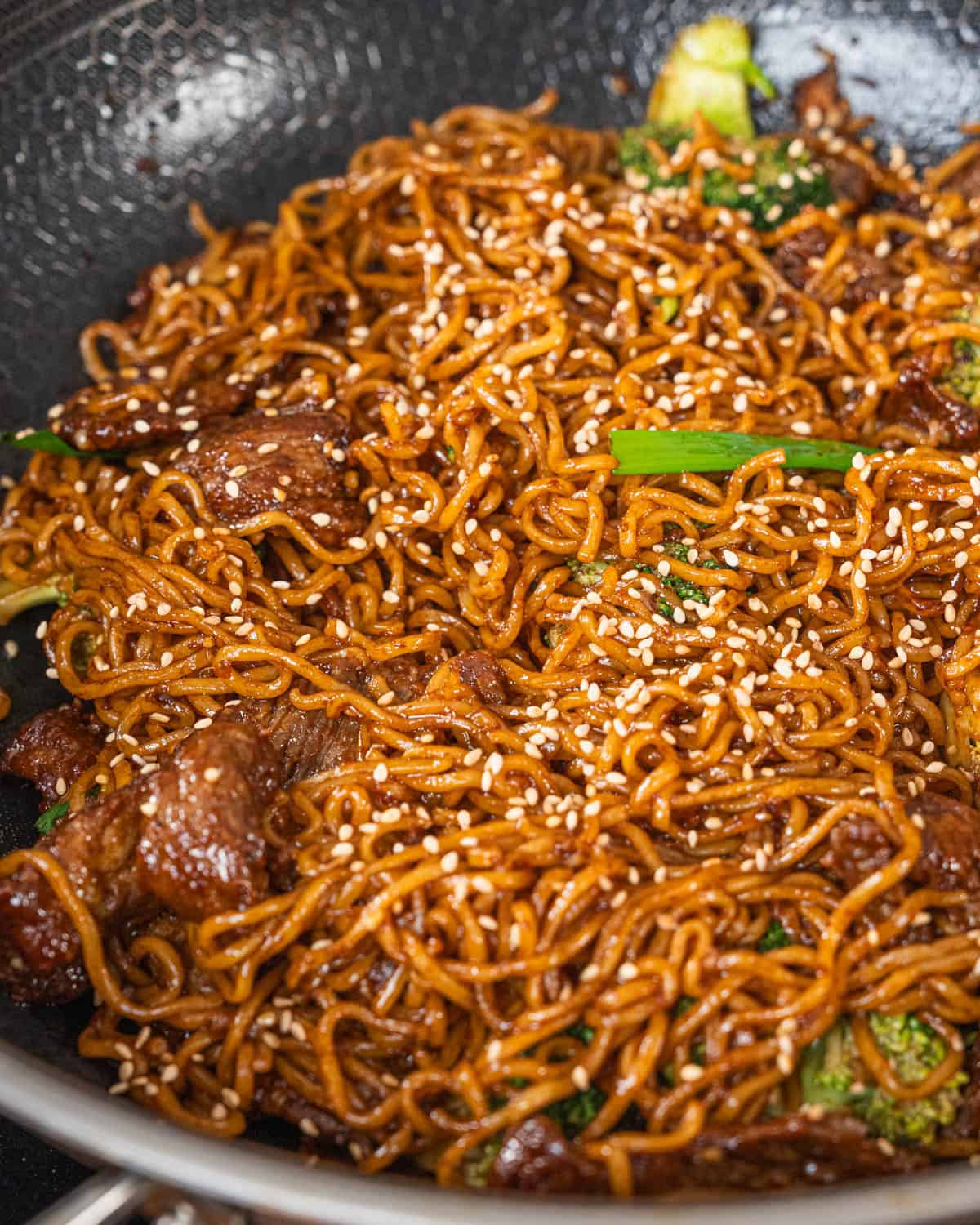
Serving Suggestions and Storage
What to Serve with Beef and Broccoli Chow Mein
This dish is already a full meal because it has beef, broccoli, noodles, and sauce. You can absolutely serve it alone and call dinner done.
For a bigger spread, pair it with cucumber salad, spring rolls, dumplings, egg drop soup, wonton soup, or stir fried green beans. These sides keep the meal practical and weeknight-friendly.
If you are feeding hungry people, dumplings are always a good idea. Nobody complains when dumplings arrive, fam.
Best Garnishes for More Flavor
Sliced scallions, sesame seeds, chili oil, crushed red pepper, fried garlic, or a tiny drizzle of sesame oil all work beautifully.
Garnishes add freshness, heat, or crunch. They make saucy beef noodles feel more layered without extra effort.
Scallion garnish or green onion garnish is the safest everyday choice. It adds color, freshness, and a little sharp bite.
How to Store Leftovers
Let the noodles cool first before storing. Hot noodles trapped in a container can steam and soften too much.
Place leftovers in an airtight container and refrigerate. Use within 3 to 4 days for the best taste and texture.
The noodles will soften a little over time, but they will still be tasty. Leftover beef chow mein has serious lunchbox energy.
How to Reheat Without Drying Out the Noodles
Reheat in a skillet with a splash of water or broth. That little splash wakes the sauce back up.
The microwave also works, but the noodles may soften more. Stir halfway through reheating so the sauce spreads evenly.
Go gentle here. You are warming the noodles, not punishing them.
Can You Freeze Beef and Broccoli Chow Mein
You can freeze it, but fresh is better. Noodles and broccoli can soften after thawing.
Freeze only if needed. Use an airtight freezer-safe container and reheat gently in a pan.
For best texture, I prefer meal prepping the parts instead of freezing the finished dish. The noodles will thank you.
Meal Prep Tips for Busy Weeknights
Slice the beef, cut the broccoli, and mix the sauce ahead of time. Store each part separately.
You can also mince the garlic and slice the shallot in advance. That way, dinner feels like a quick little stir fry party instead of a mountain to climb.
Cook the noodles fresh if possible. Freshly cooked noodles give the best texture for beef stir fry noodles.
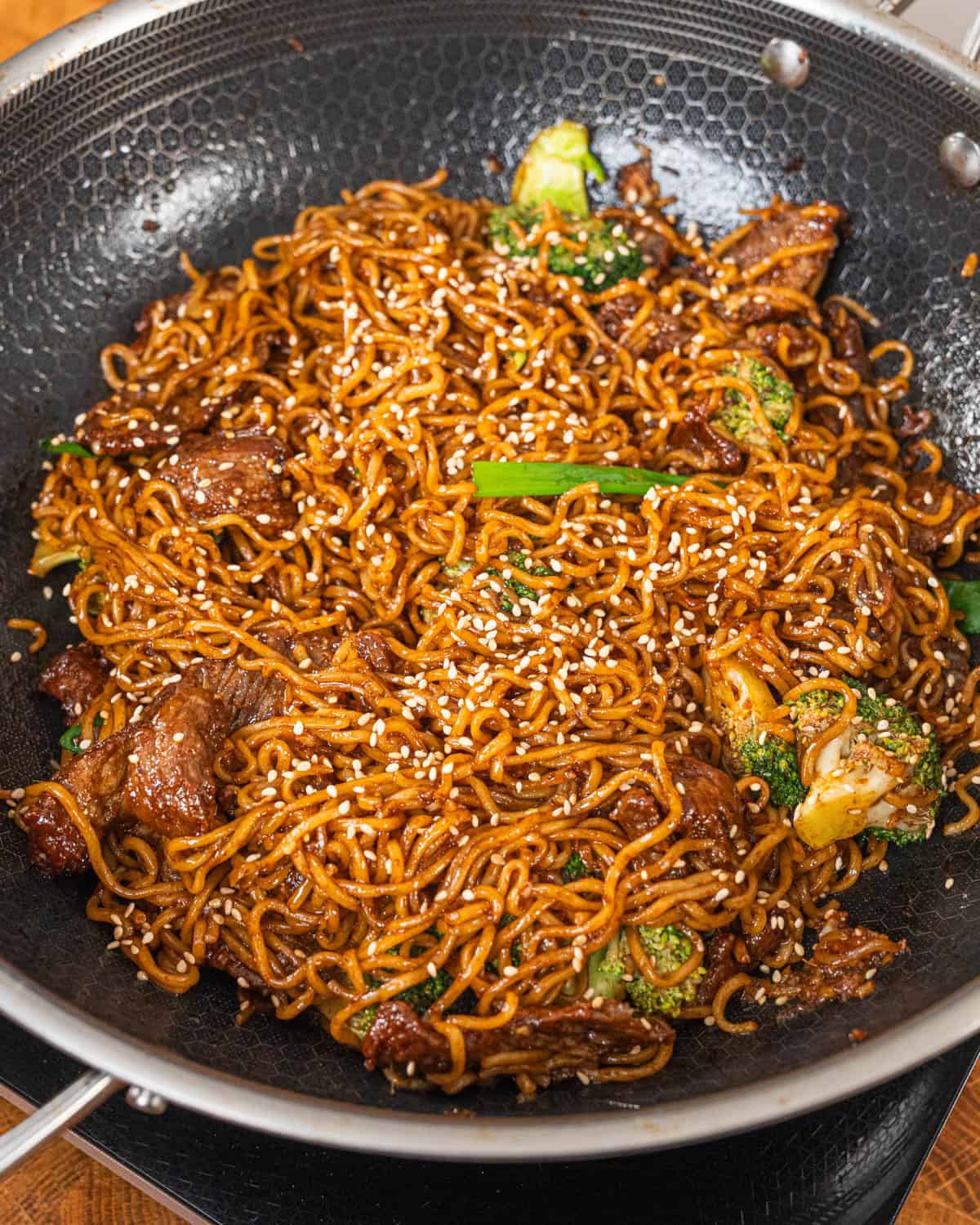
Variations
Spicy Beef and Broccoli Chow Mein
Add chili sauce, chili oil, sriracha, crushed red pepper, or fresh sliced chili. Start small because soy-based sauces are already strong.
Spice builds fast in a hot pan. You can always add more, but you cannot politely ask the chili to leave.
For a deeper spicy flavor, use chili oil in the sauce and fresh chili at the end. That gives both warmth and aroma.
Garlic Beef and Broccoli Chow Mein
Add extra fresh garlic near the start of the stir fry. Minced garlic gives the sauce that cozy, bold garlic sauce flavor.
Garlic burns fast, so it only needs a short time in the pan. Stir it until fragrant, then move quickly.
This version is for garlic lovers who believe two cloves is just a polite suggestion.
Chicken and Broccoli Chow Mein
Swap beef for thin sliced chicken breast or chicken thigh. Chicken thigh stays juicier, while chicken breast cooks faster.
Keep the same sauce and noodle method. The savory stir fry sauce works beautifully with chicken.
Slice the chicken thinly so it cooks quickly and stays tender. Nobody wants dry chicken hiding in their noodles.
Shrimp and Broccoli Chow Mein
Swap beef for shrimp. Shrimp cooks very fast, so add it near the end.
Overcooked shrimp turns rubbery, so watch it closely. Once it turns pink and opaque, it is ready.
This version tastes lighter but still saucy. A little extra sesame oil and scallion garnish make it shine.
Vegetarian Broccoli Chow Mein
Use tofu, mushrooms, or extra vegetables instead of beef. Firm tofu, shiitake mushrooms, bell peppers, carrots, snow peas, cabbage, and bok choy all work well.
Use vegetarian oyster sauce or mushroom sauce if needed. That keeps the deep savory flavor without the beef.
For extra texture, pan fry the tofu first. Crispy edges plus glossy noodle sauce? Oh yes.
Low Sodium Beef and Broccoli Chow Mein
Use low sodium soy sauce. You can also use less oyster sauce and add more water or broth.
The sauce can still taste rich with garlic, sesame oil, and a small amount of hoisin sauce. Flavor does not have to come only from salt.
Add more broccoli florets, onion slices, or noodles if the sauce tastes too strong. Balance is your best friend.
Noodle Swap Options
Fresh chow mein noodles are best because they toss easily and give that classic chewy bite. Fresh egg noodles are also lovely.
Lo mein noodles, egg noodles, ramen noodles, hokkien noodles, or dried chow mein noodles can also work. Just follow the package directions.
Avoid overcooking. Slightly firm noodles make better pan fried noodles and wok fried noodles.
Extra Vegetable Chow Mein
Add carrots, bell peppers, mushrooms, snow peas, cabbage, baby corn, or bok choy. Cut vegetables thin so everything cooks quickly.
Too many vegetables can release water and thin the sauce. If that happens, let the sauce bubble a little longer or add a tiny bit more cornstarch slurry.
Extra vegetables make the dish colorful, generous, and family-friendly. It is the kind of bowl that says, “Look, we are eating vegetables and loving it.”
Common Mistakes to Avoid
Using Beef Slices That Are Too Thick
Thick beef takes longer to cook and can turn chewy. Slice thinly and evenly for tender beef strips.
Partially freezing the beef for 15 to 20 minutes makes slicing easier. The meat firms up, so your knife can glide through cleanly.
Thin slices are the difference between tenderised beef and tough beef. Tiny step, huge payoff.
Overcooking the Noodles
Soft noodles can break and become mushy in the pan. Cook noodles just until tender or slightly firm.
They will finish cooking with the thickened stir fry sauce. That final toss is part of the cooking time.
If your noodles are already too soft before they hit the wok, the texture can go downhill fast. Pull them early, fam.
Adding Too Much Sauce at Once
Too much sauce can make the noodles wet instead of glossy. Add sauce gradually and toss well.
The goal is coated noodles, not soupy noodles. Chow mein should look shiny, not flooded.
If you love saucy beef noodles, keep extra sauce on the side. Add only what the noodles can hold.
Not Stirring the Sauce Before Adding It
Cornstarch settles at the bottom of the bowl. Stir the sauce again right before pouring it into the pan.
This helps the sauce thicken evenly. Otherwise, the first pour may be thin and the last pour may be thick and cloudy.
Give it one quick stir and you are golden. Easy fix, big difference.
Crowding the Pan
A crowded pan traps steam. When that happens, the beef steams, the noodles soften, and the broccoli loses its pop.
Use a large skillet or cook in batches. High heat and space help create better stir fry flavor.
If your pan looks packed, divide the cooking. Your noodles deserve breathing room.
Cooking Broccoli Until It Turns Dull
Broccoli should stay green and lightly crisp. Cook it only until tender.
Small florets cook faster and mix better with noodles. Big chunks take too long and can throw off the timing.
Bright broccoli makes the whole dish feel fresh. Dull broccoli makes dinner look tired, and we are not doing tired noodles today.
Using Only Soy Sauce for the Sauce
Soy sauce alone can taste flat and salty. It needs friends.
Use oyster sauce, hoisin sauce, garlic, sesame oil, broth, a little sugar, or Chinese cooking wine for deeper flavor. Even a tiny amount of brown sugar sauce or honey garlic sauce can round out the edges.
A proper chow mein sauce should taste savory, glossy, balanced, and full. That is where the takeout-style magic lives.
Frequently Asked Questions
What is Beef and Broccoli Chow Mein
Beef and Broccoli Chow Mein is a stir fried noodle dish made with beef, broccoli, chow mein noodles, and a savory sauce.
It is filling enough for dinner and easy to make at home. You get tender beef, broccoli chow mein comfort, and glossy noodles all in one pan.
What is the best beef for Beef and Broccoli Chow Mein
Flank steak, flat iron steak, sirloin, rump, or another quick cooking beef cut works well.
Thin slicing matters more than using an expensive cut. Even a simple beef rump steak can taste amazing when sliced against the grain and marinated properly.
Do I need to marinate the beef
Yes, marinating helps flavor and soften the beef. It gives you tender beef strips instead of dry, plain beef.
For a fast meal, 20 to 30 minutes is good. Longer gives deeper flavor, but you do not need to wait forever.
Can I make Beef and Broccoli Chow Mein without a wok
Yes, absolutely. Use a large skillet or deep frying pan.
The pan should be hot and not too crowded. A deep skillet stir fry can still give you delicious stir fried beef noodles.
What noodles are best for Beef and Broccoli Chow Mein
Fresh chow mein noodles or fresh egg noodles work best. They have a chewy texture and toss nicely with sauce.
Dried chow mein noodles, lo mein noodles, ramen, or hokkien noodles can also work if cooked correctly. Keep them slightly firm so they do not turn mushy.
Can I use frozen broccoli
Yes, but fresh broccoli gives a better crisp texture. Frozen broccoli can be softer and wetter.
Thaw frozen broccoli and pat it dry before stir frying. Extra water can thin the sauce and make the noodles less glossy.
How do I keep the noodles from sticking together
Do not overcook the noodles. Overcooked noodles get sticky and fragile.
Toss cooked noodles with a small amount of oil if they sit for a while. Adding them to a hot pan and tossing with sauce also helps separate them.
Why is my sauce too thin
The sauce may need more cornstarch or more heat. Cornstarch thickens when it simmers in the hot pan.
Stir the sauce before adding it because the cornstarch can settle at the bottom. Let the sauce bubble briefly until it turns glossy.
Why is my Beef and Broccoli Chow Mein too salty
Soy sauce and oyster sauce can be salty, especially if you use regular versions.
Use low sodium soy sauce, add a splash of water or broth, or add more noodles and vegetables to balance it. A small pinch of sugar can also soften the salty edge.
Can I make this recipe ahead of time
Yes, but it tastes best fresh. Chow mein noodles are happiest right after stir frying.
Prep the beef, broccoli, and sauce ahead. Stir fry right before serving for the best noodle texture.
How long does Beef and Broccoli Chow Mein last in the fridge
It lasts 3 to 4 days in an airtight container.
The noodles will soften over time but still taste good. Reheat with a splash of water or broth to loosen the sauce.
Can I make Beef and Broccoli Chow Mein spicy
Yes, and it is delicious. Add chili oil, chili garlic sauce, sriracha, crushed red pepper, or fresh chili.
Start with a small amount and add more after tasting. Spice should lift the dish, not wrestle everyone at the table.
Is Beef and Broccoli Chow Mein the same as Beef and Broccoli Lo Mein
No. Chow mein usually has a more stir fried noodle texture, while lo mein is usually softer and more sauce coated.
Both can use similar beef, broccoli, and sauce flavors. The main difference is the noodle texture and cooking style.
Can I use chicken instead of beef
Yes. Thin sliced chicken breast or chicken thigh works well.
Chicken thigh stays juicier, while chicken breast cooks faster. Keep the same sauce and noodle method, and you are good to go.
RATE MY DISH!
If you enjoy my Beef and Broccoli Chow Mein, make sure to leave a comment and rating down below. I highly appreciate it!
Tag me on Instagram @geniuseatss so I can see your creation! Don't forget to follow me on TikTok, Youtube, Pinterest and Facebook for more recipes and content!
Thank you so much and enjoy my recipes!
PrintBeef and Broccoli Chow Mein
Savor Beef and Broccoli Chow Mein, packed with tender beef, crisp broccoli, and savory noodles!
- Prep Time: 15 minutes
- Cook Time: 15 minutes
- Total Time: 30 minutes
- Yield: 2 Servings 1x
- Category: Noodles
- Method: Easy
- Cuisine: American Chinese
Ingredients
Marinated beef:
- 350g of steak, I used Rib-eye steak
- 1 tbsp of soy sauce
- 1 tsp of sesame oil
- 1 tsp of Chinese cooking wine
- ½ tsp of baking soda
- 1 tsp of msg
- 1 tbsp of cornstarch
- 1 tbsp of oil
Sauce:
- 1 tbsp of soy sauce
- ½ tbsp of dark soy sauce
- 1 tbsp of oyster sauce
- 1 tbsp of chili oil
- 1 tsp of msg
- 1 tbsp of Chinese cooking wine
- 1 tbsp of sesame oil
Others:
- 2 tbsp of oil
- 1 shallot
- 4 cloves of garlic
- 2 packs of noodles
To garnish:
- Sesame seeds
Instructions
- Marinate the beef: Combine the sliced steak with soy sauce, sesame oil, Chinese cooking wine, baking soda, MSG, cornstarch, and oil. Mix well and let sit for 15 minutes.
- Make the sauce: In a small bowl, mix together soy sauce, dark soy sauce, oyster sauce, chili oil, MSG, Chinese cooking wine, and sesame oil. Set aside.
- Prepare the noodles: Cook the noodles according to packet instructions. Drain and set aside.
- Cook the beef: Heat 1 tablespoon oil in a wok or large frying pan over high heat. Sear the beef for 1–2 minutes until browned. Remove and set aside.
- Stir-fry: Add the remaining oil, then sauté the shallot and garlic for 30 seconds until fragrant. Add the broccoli and stir-fry for 2–3 minutes.
- Combine: Return the beef to the wok, add the noodles and sauce, then toss everything together for 2–3 minutes until well coated and heated through.
- Serve: Transfer to serving bowls and garnish with sesame seeds.
Want more? Browse every noodle recipe in one place.


Leave a Reply