




Springy noodles, a glossy soy glaze, and just enough chili oil to make your lips tingle — this is takeout you make in 15 minutes flat.
If you have ever stood in front of a takeout menu wondering why a box of noodles costs eight dollars, this Chili Oil Soy Sauce Chow Mein is about to become your new best friend. It is fast, it is cheap, and it hits every note you actually want from chow mein: chewy noodles, smoky wok flavor, and a sauce that clings to every strand. No fancy equipment, no mystery ingredients, just a hot pan and about fifteen minutes.
The magic here is the sauce. Two kinds of soy sauce give it color and depth, oyster sauce brings that savory backbone, and a spoon of chili oil drags the whole thing into better-than-takeout territory. It is the kind of dinner that looks like you tried really hard when in reality you were scrolling your phone while the noodles soaked.
This is a broke-college-student special in the best way. One pan, a handful of pantry sauces, and a bag of egg noodles turn into a restaurant-worthy plate of Chili Oil Soy Sauce Chow Mein. If you already love our Beef and Broccoli Chow Mein, consider this the meat-free, spicy cousin that comes together even faster.
What is Chili Oil Soy Sauce Chow Mein?
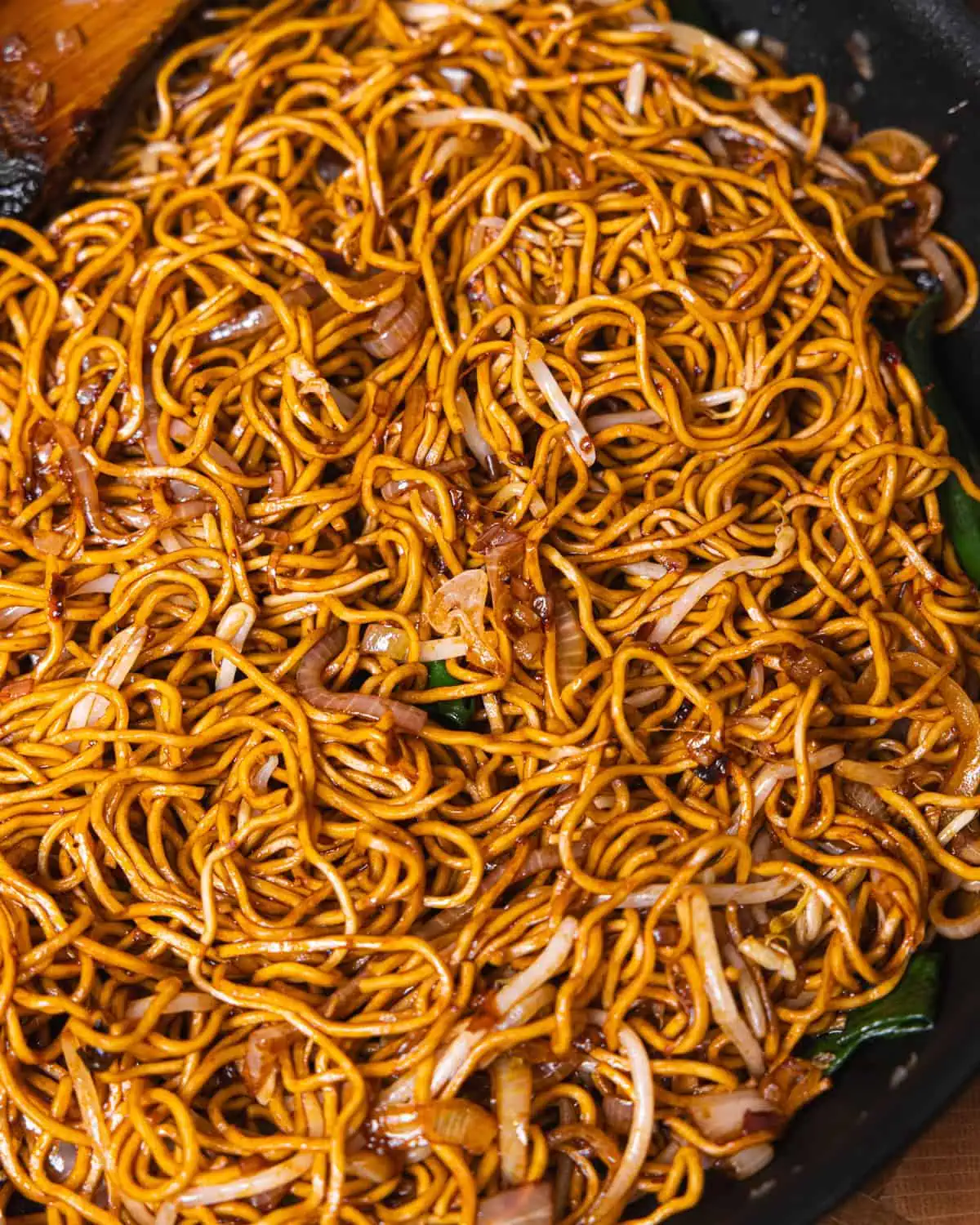
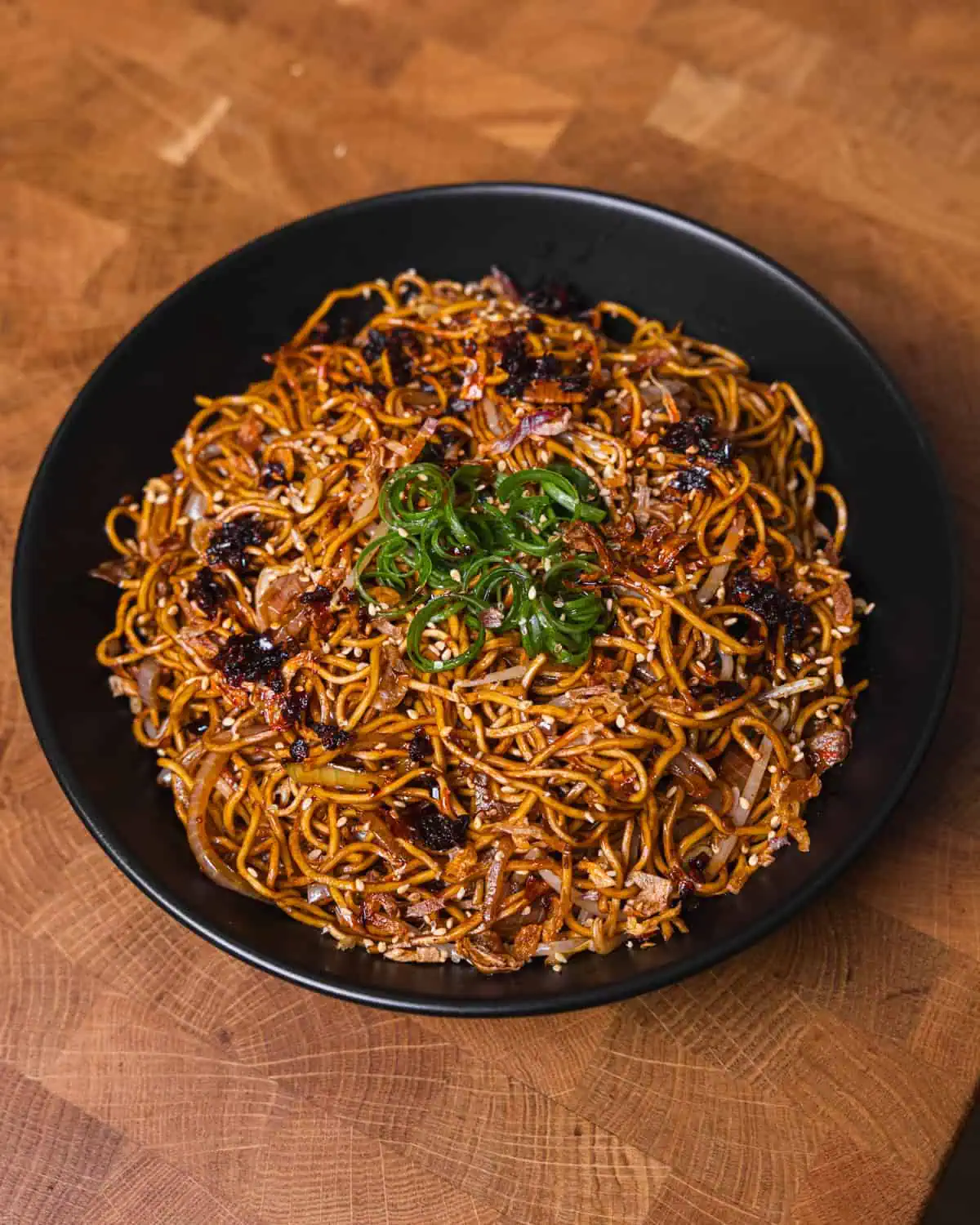
Chili Oil Soy Sauce Chow Mein is a stir-fried noodle dish built on springy egg noodles that get tossed in a bold sauce of light soy, dark soy, oyster sauce, and chili oil. Chow mein simply means “stir-fried noodles” in Cantonese, and this version leans into the soy-sauce-forward style you find at street stalls and takeout counters — then cranks up the heat with a generous swirl of chili oil.
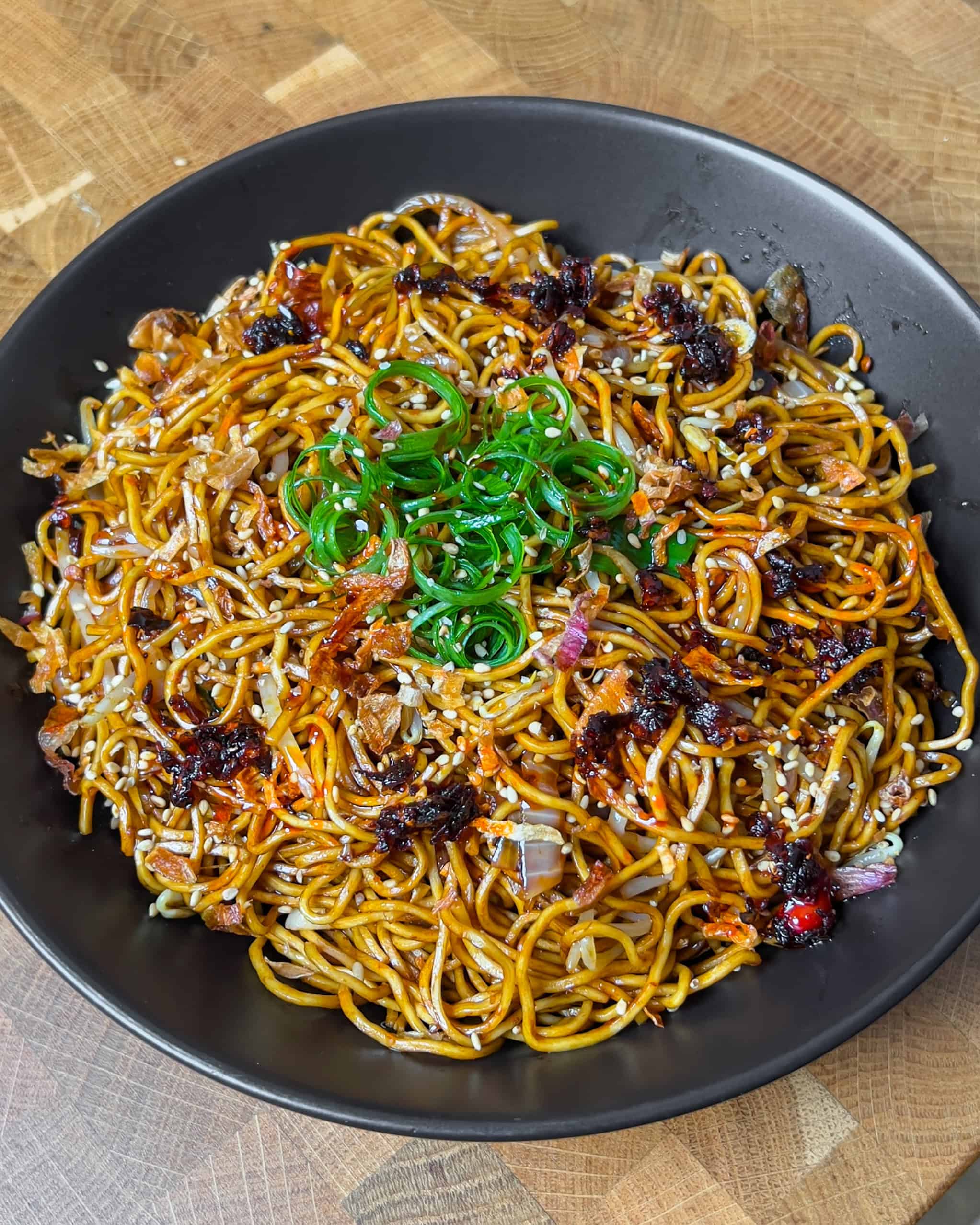
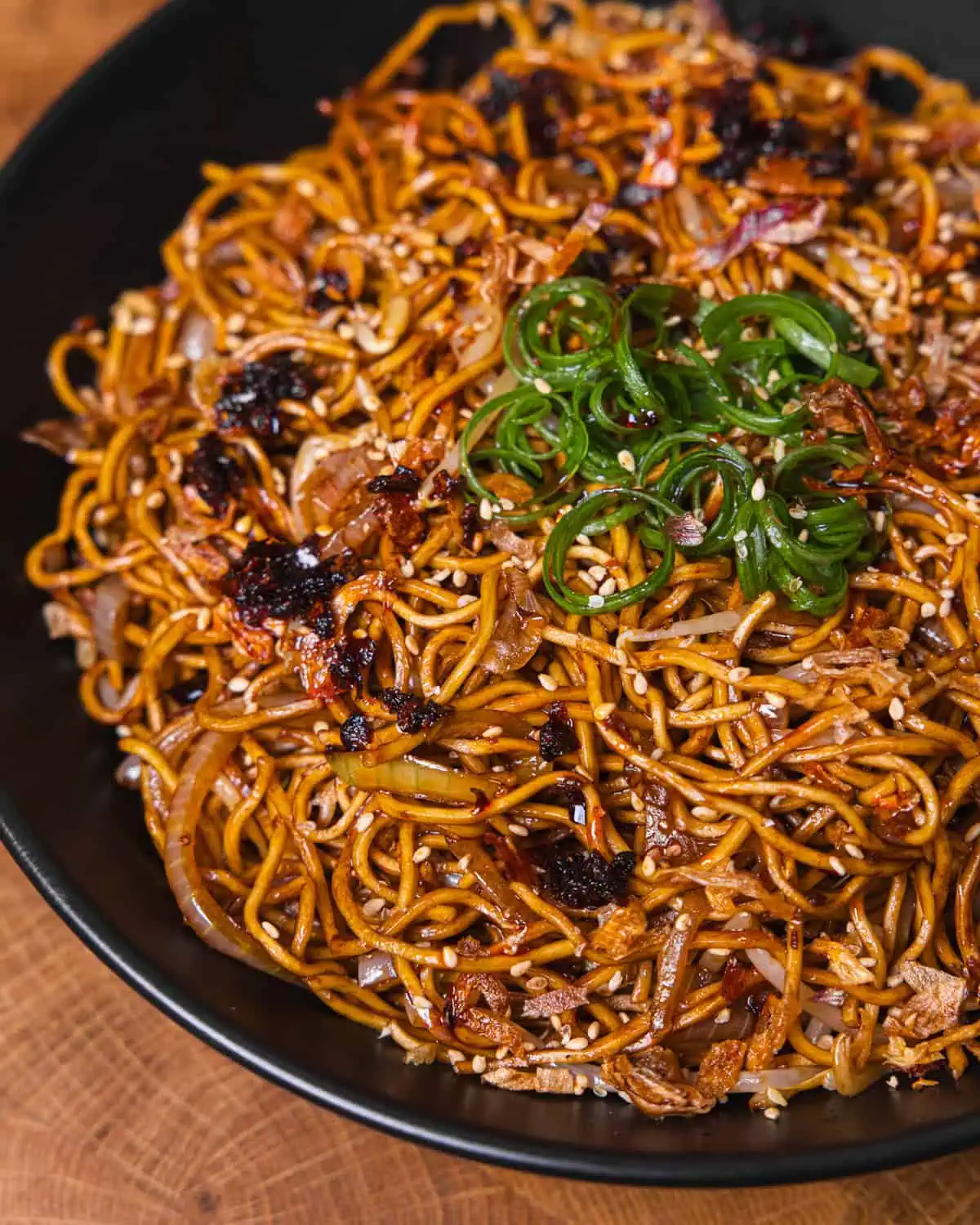
Unlike a saucy, gravy-heavy noodle bowl, this one stays dry and glossy. Every strand gets coated but nothing pools at the bottom of the plate. You get crunchy bean sprouts, sweet onions, and fragrant green onion woven through the noodles, with sesame seeds and fried shallots on top for texture. It is savory, a little sweet, and just spicy enough to keep you going back for another bite.
Where is Chili Oil Soy Sauce Chow Mein from: a Cantonese takeout classic with a spicy twist
Chow mein has its roots in southern China, specifically Cantonese cooking, where cooks fry parboiled egg noodles over screaming-hot heat to build that signature “wok hei” or breath of the wok. The soy-sauce style — sometimes called soy sauce chow mein or Cantonese Chow Mein — keeps things simple, letting the noodles and soy do most of the talking.
The chili oil part is where this recipe goes off-script in the most delicious way. Chili oil is a staple across Sichuan and much of Asia, and adding it to a Cantonese-style chow mein is exactly the kind of fusion mash-up we live for. It is not strictly traditional, but it is absolutely craveable, and that is the whole point of Chili Oil Soy Sauce Chow Mein.
How to make it
The method could not be more beginner-friendly. You mix a quick sauce, soak your noodles for literally one minute, sizzle some aromatics, then bring everything together in the pan and toss until the noodles are stained a deep glossy brown. That is it. The soak-and-drain trick means you are not fighting mushy, overcooked noodles — they finish cooking right in the sauce.
The only real rule is heat. Keep your pan hot and your hands moving so the noodles pick up color and a hint of char instead of steaming into a soggy pile. Have every ingredient prepped and within arm’s reach before you turn on the stove, because from the moment the garlic hits the oil, Chili Oil Soy Sauce Chow Mein comes together in just a few minutes.
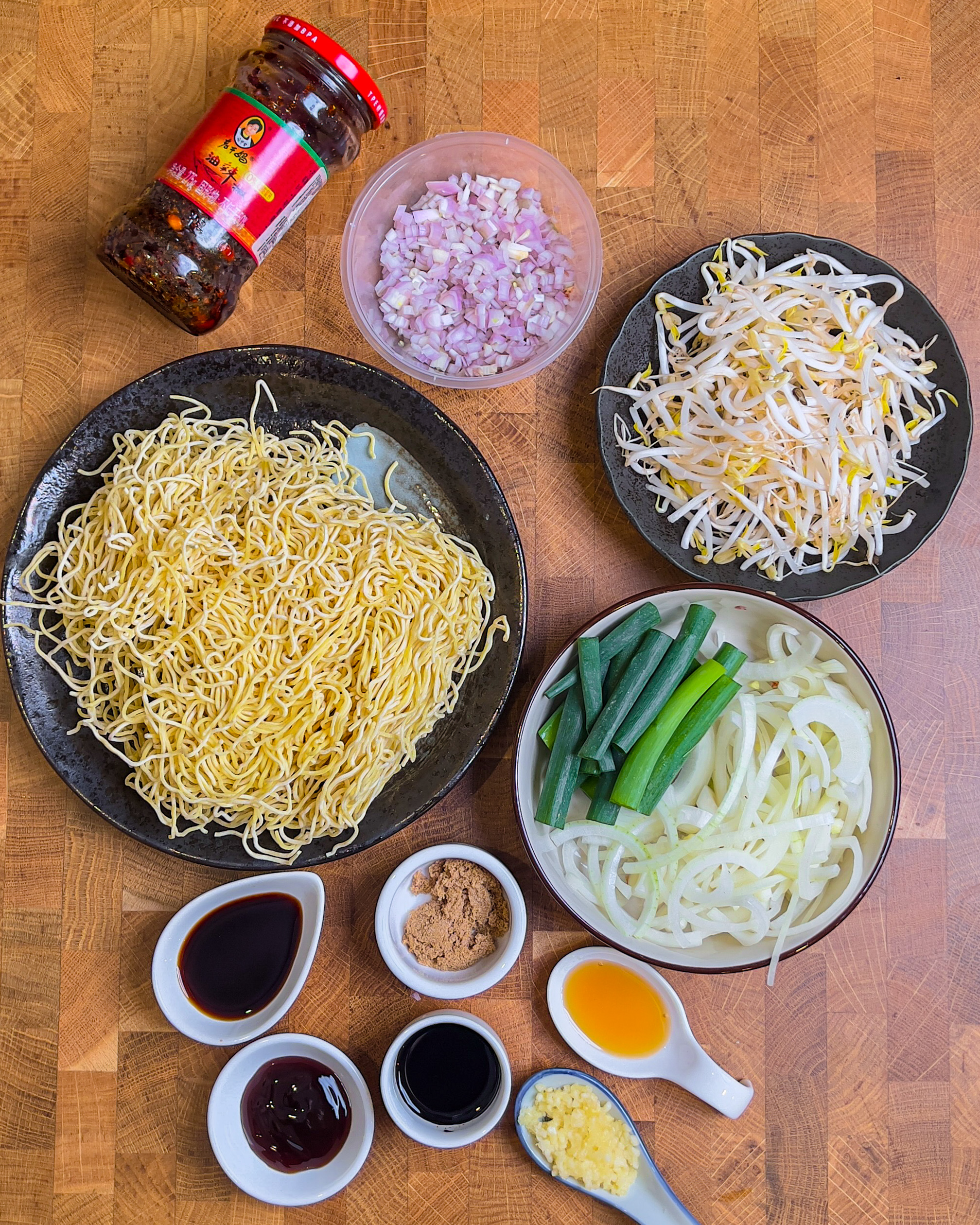
Ingredients
Here is everything you need, broken down by component. Most of it lives in your pantry already, and the fresh stuff is cheap and easy to find.
For the Noodles
- Egg noodles (chow mein noodles) — The springy, chewy base of the whole dish; fresh ones give the best bounce.
- Garlic — Minced fine so it perfumes the oil and clings to the noodles.
- Shallot — Adds a sweeter, mellower depth than onion alone.
- Onion — Sliced for a little sweetness and bite running through the noodles.
- Green onions — Cut into 2-inch pieces for fresh, oniony pops of color and flavor.
- Bean sprouts — Bring that classic crunch and keep the dish feeling light.
- Cooking oil — A neutral, high-heat oil so you can get the pan ripping hot.
For the Sauce
- Soy sauce — The salty, savory foundation of the glaze.
- Dark soy sauce — Deepens the color and gives that rich takeout-brown finish.
- Oyster sauce — Adds body and a savory, slightly sweet umami punch.
- Brown sugar — Balances the salt and helps the sauce turn glossy.
- Water — Loosens the sauce just enough to coat every strand.
- Sesame oil — A nutty, aromatic finish that screams Asian noodle shop.
- Chili oil — The star upgrade, bringing heat, color, and crispy chili bits.
To Garnish
- Sesame seeds — A toasty crunch and pretty speckled finish.
- Fried shallots — Crispy, sweet, and addictive sprinkled over the top.
- Spring onions — A fresh, sharp bite to cut through the rich sauce.
Steps to Make Chili Oil Soy Sauce Chow Mein
Prep everything first, then cook fast over high heat. Here is exactly how it goes down, step by step.
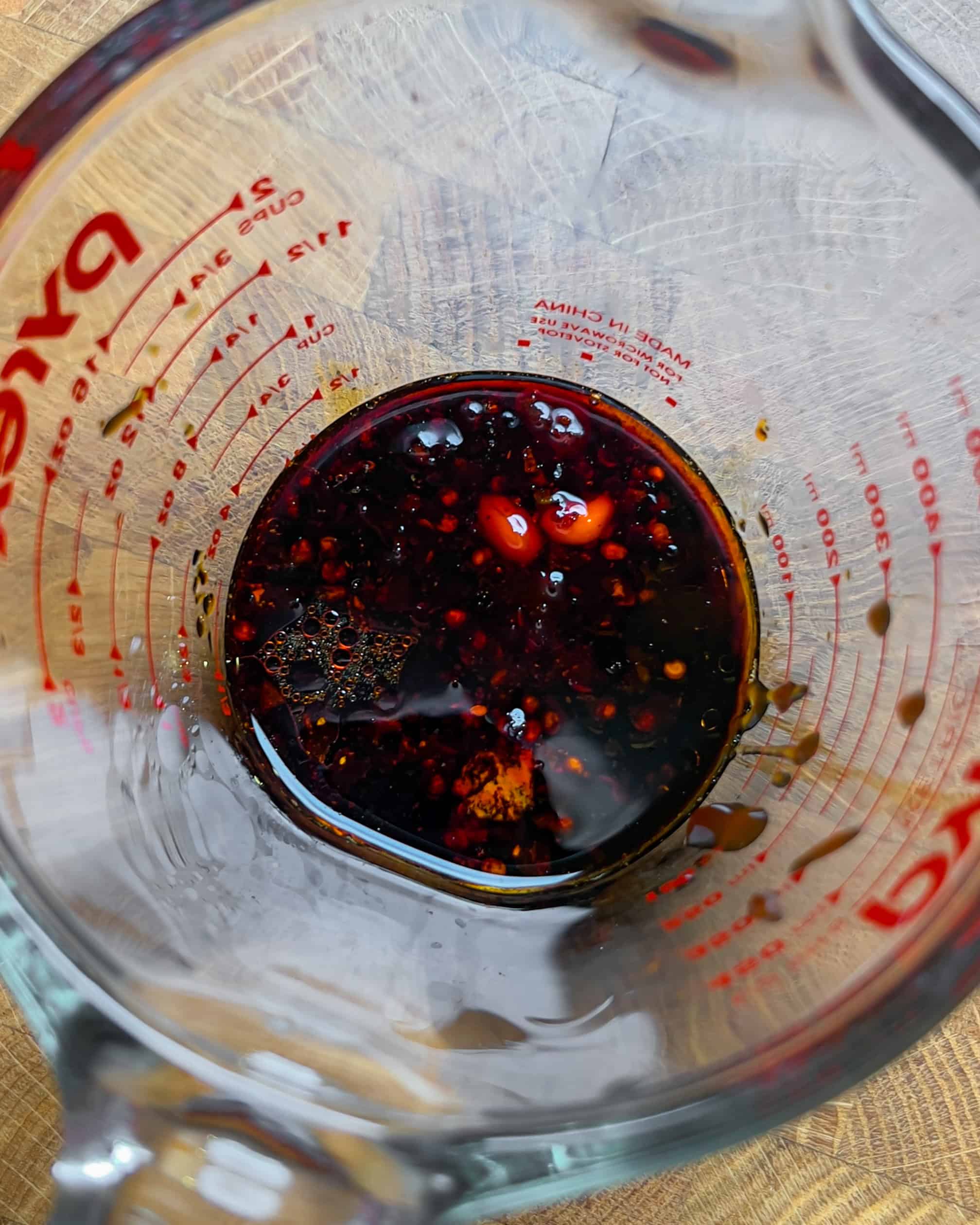
- Stir the sauce together in a small bowl: soy sauce, dark soy sauce, oyster sauce, brown sugar, water, sesame oil, and chili oil. Set it aside so it is ready to pour.
- Soak the egg noodles in hot boiling water for 1 minute, then drain well and set aside. They should be loosened but still firm — they will finish cooking in the pan.
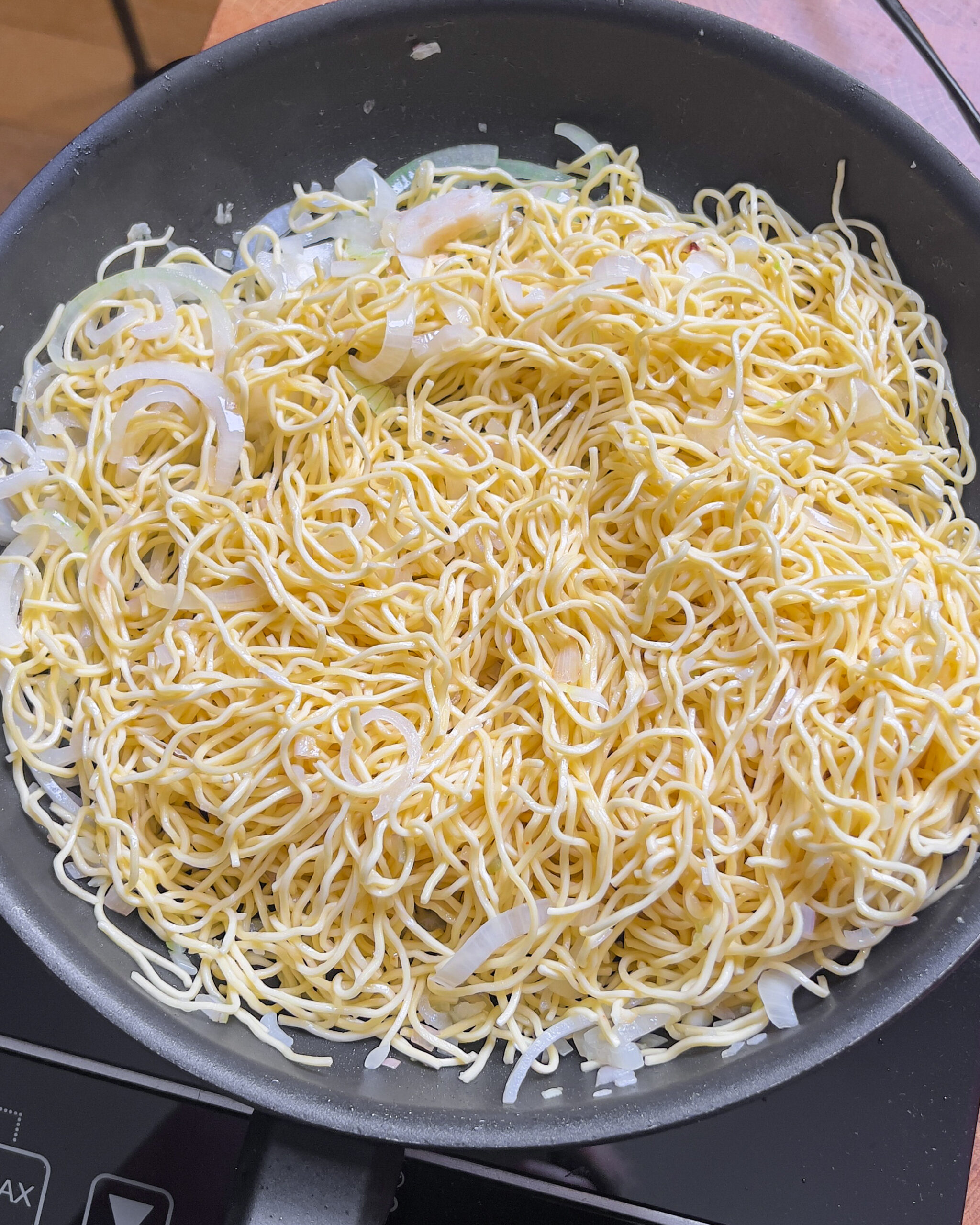
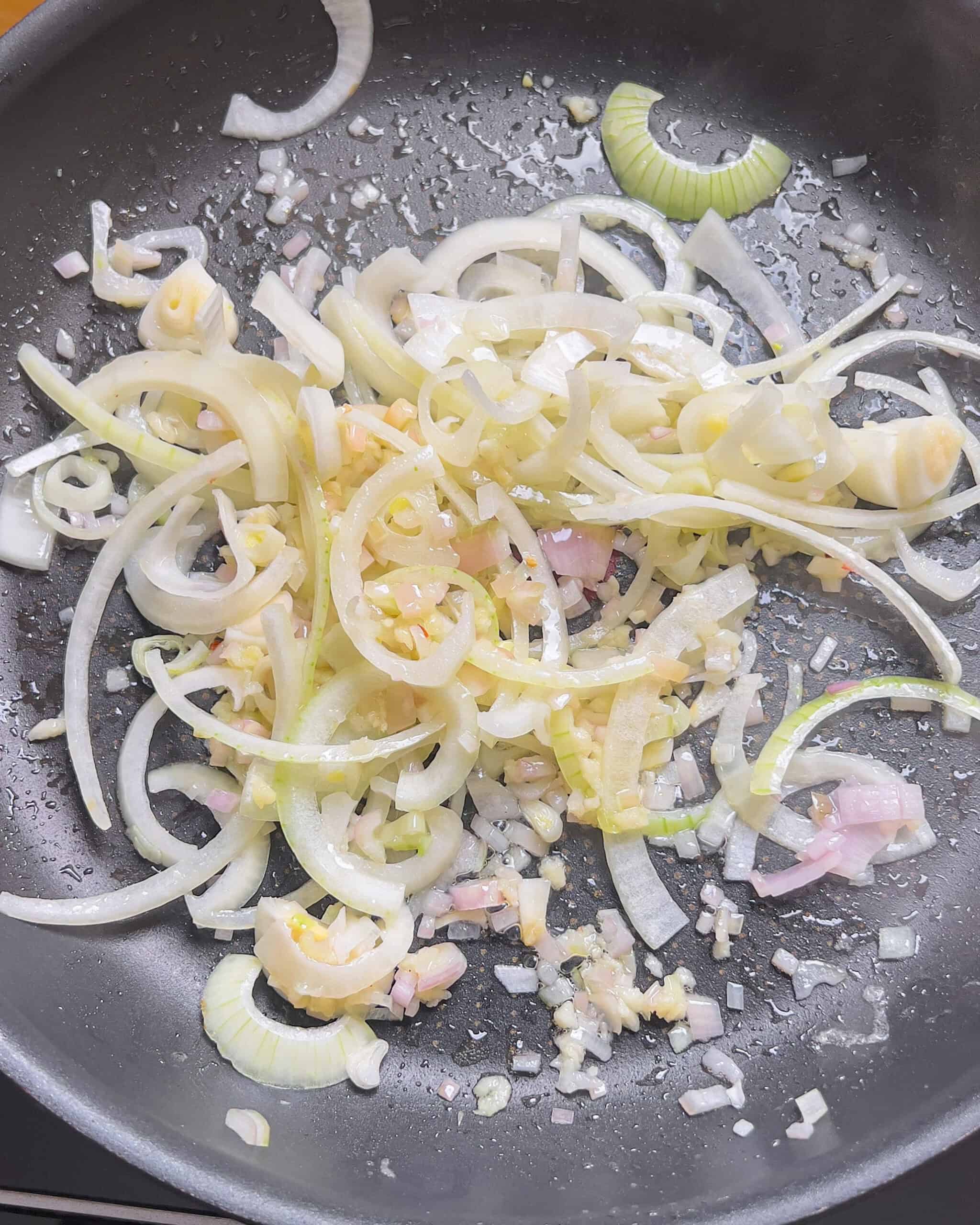
- Heat the cooking oil in a wok or large pan over high heat. Add the garlic, shallot, and onion and stir-fry for about 1 minute until fragrant and just softened.
- Add the drained noodles, bean sprouts, and green onions to the pan all at once.
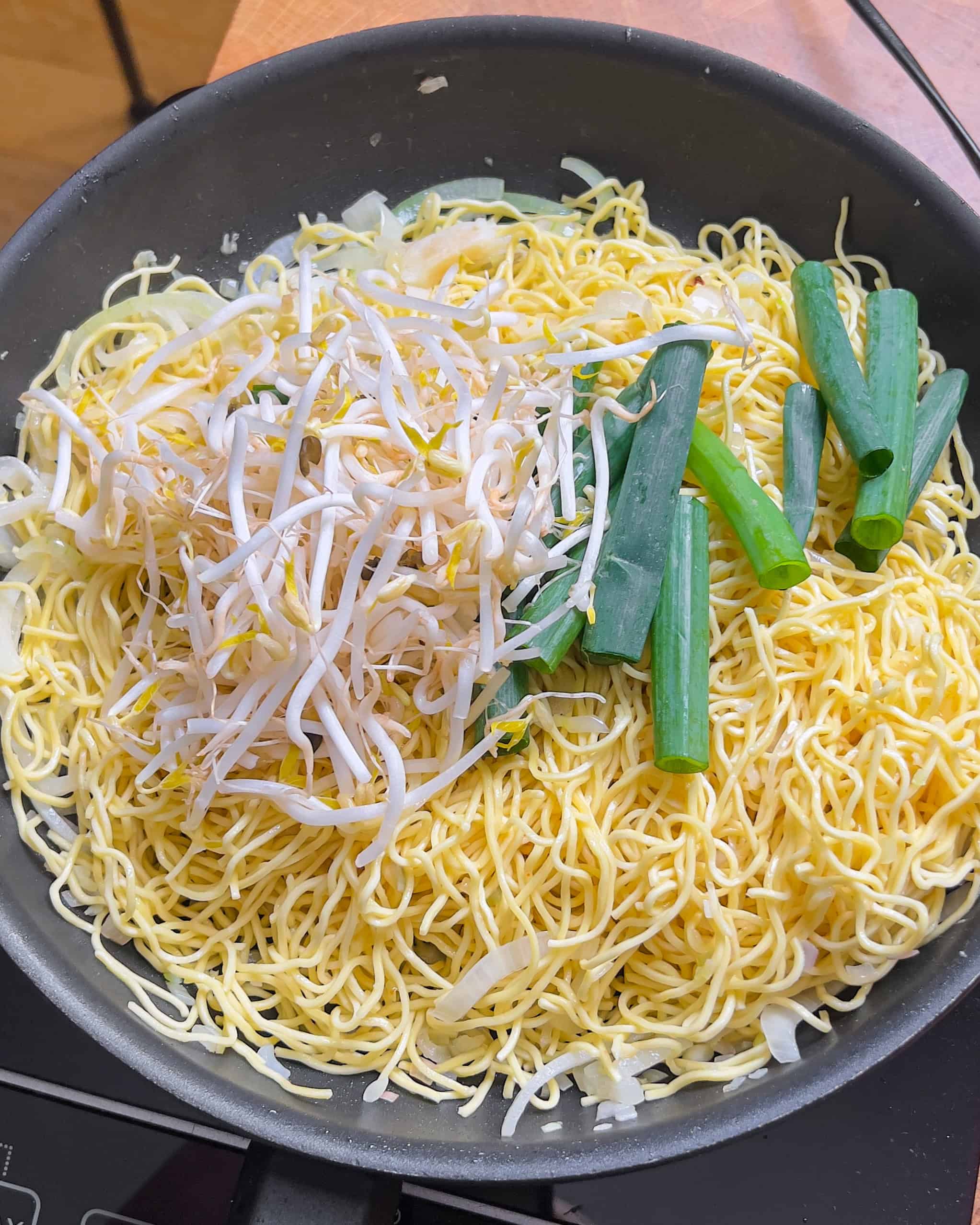
- Toss and separate the noodles with chopsticks or a spatula so nothing clumps together and everything heats evenly.
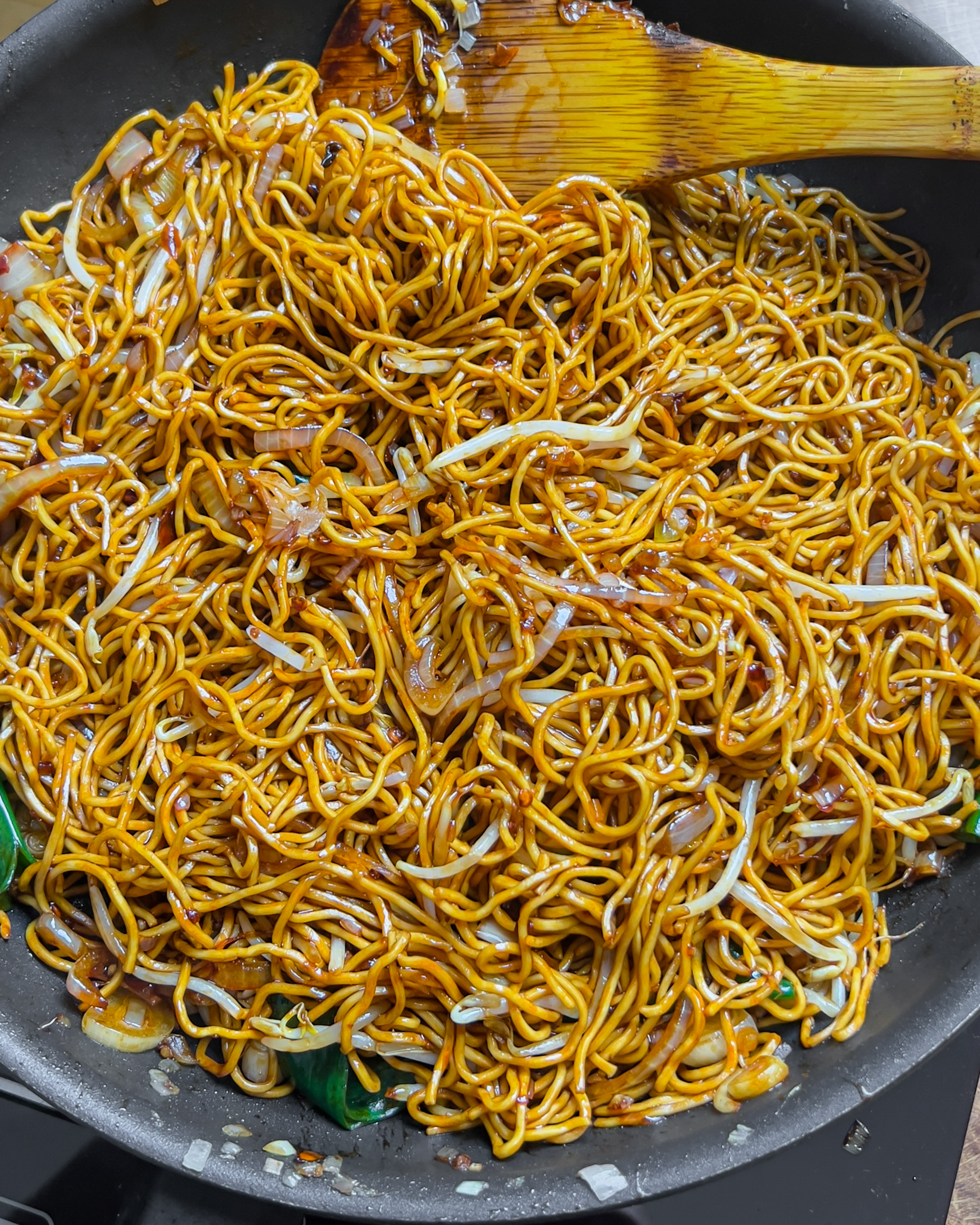
- Pour in the sauce and keep tossing until every strand is coated in that glossy soy and chili oil glaze — no pale spots left behind.
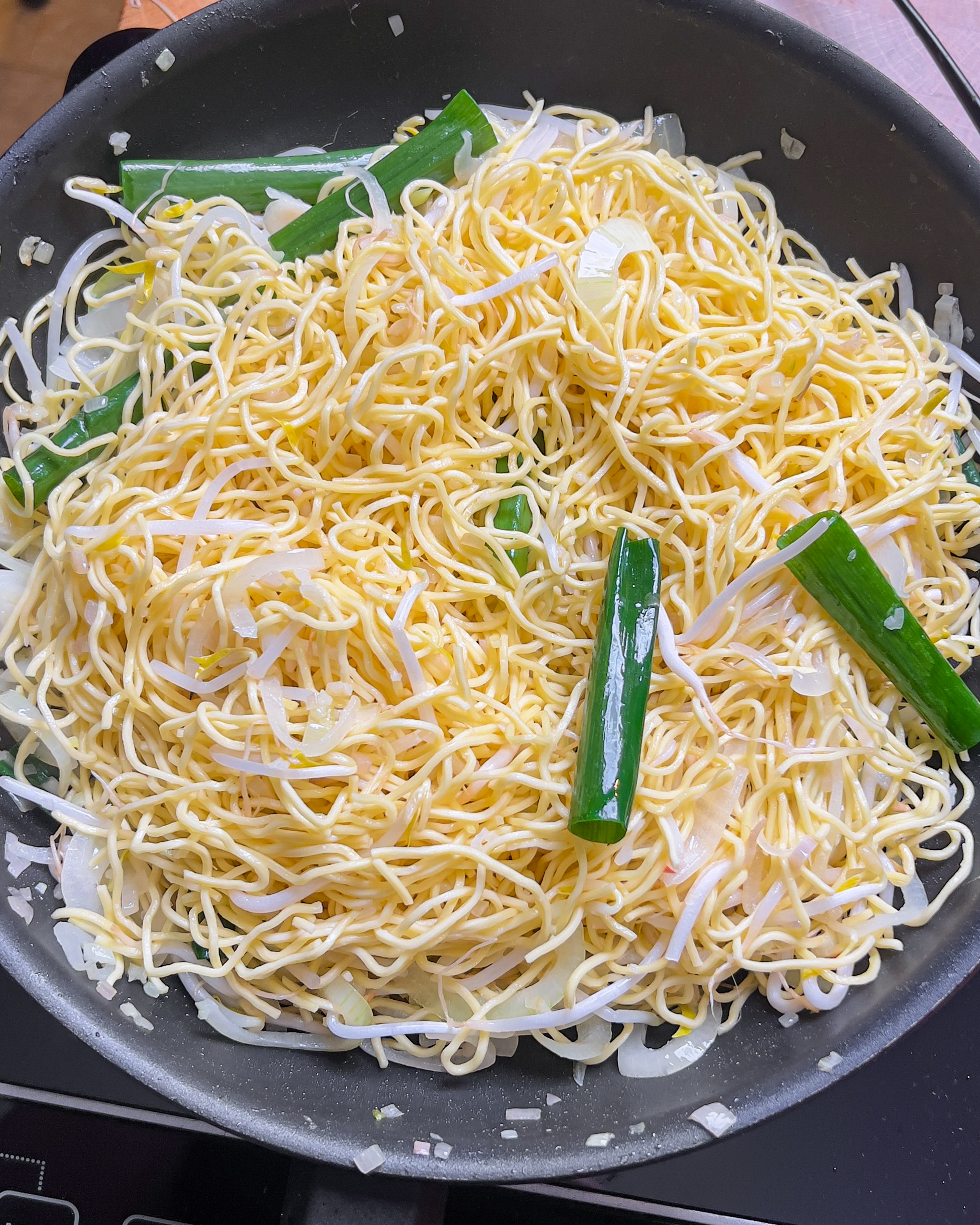
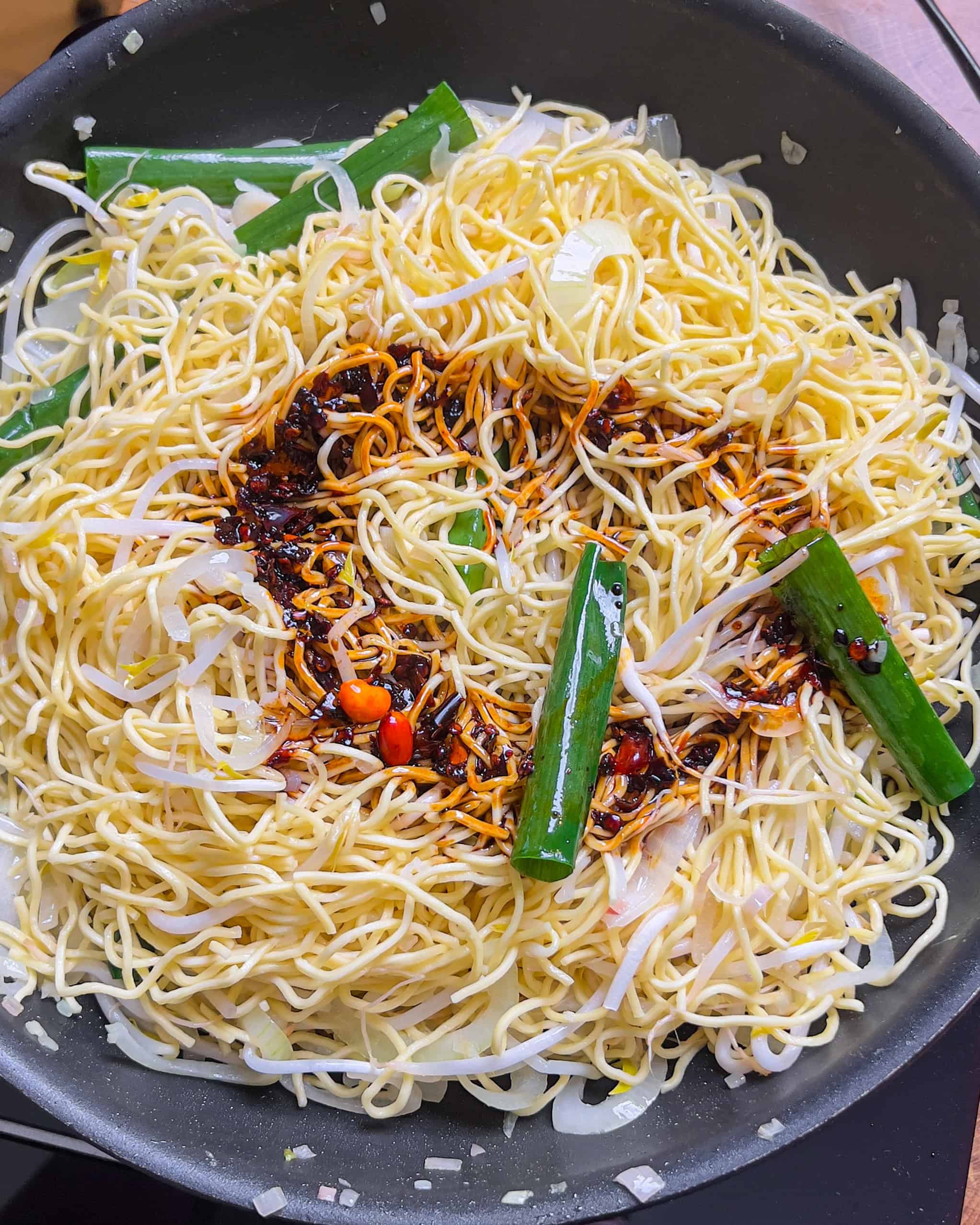
- Keep the noodles moving over high heat for another minute so they soak up the sauce and pick up a little smoky char. Then garnish with sesame seeds, fried shallots, spring onions, and an extra drizzle of chili oil, and serve hot.
Easy Chili Oil Soy Sauce Chow Mein Tips for Perfect Noodles Every Time
Keep the heat high
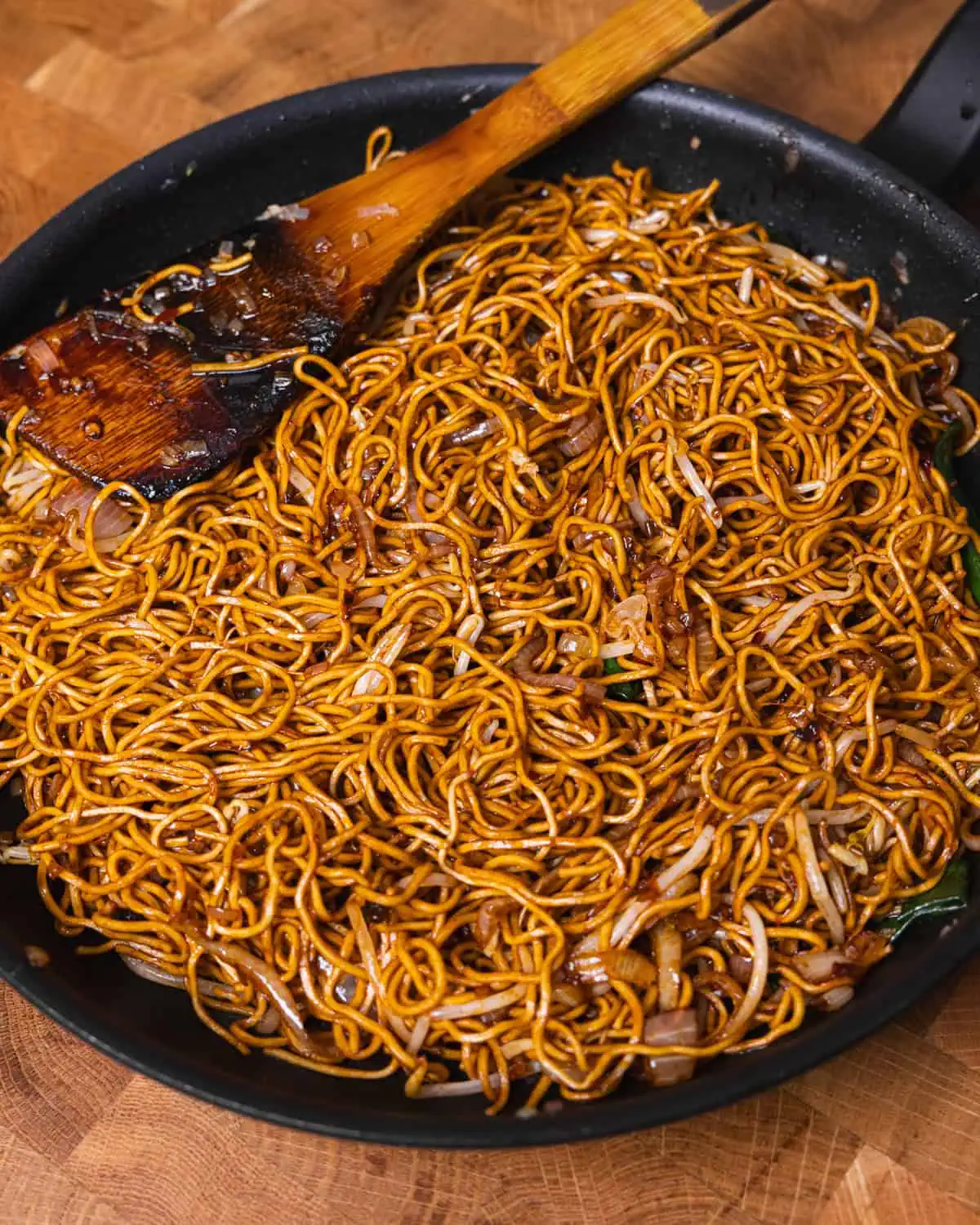
Chow mein is all about that fast, hot stir-fry. A screaming-hot pan gives the noodles a slight char and that smoky wok flavor instead of steaming them into a soft, pale tangle. If your stove runs weak, cook in two smaller batches so the pan never cools down and crowds up.
Do not oversoak the noodles
One minute in hot water is genuinely all you need. The noodles finish cooking once they hit the sauce in the pan, so soaking longer leaves you with a mushy, sticky mess. Drain them well and give them a quick toss so they do not clump before they go in. This one habit is the difference between springy and soggy Chili Oil Soy Sauce Chow Mein.
Mix the sauce before you cook
Once the noodles are in the pan, everything moves fast, and you do not want to be measuring soy sauce with one hand while the garlic burns. Having the sauce pre-mixed and sitting right next to the stove means you can pour and toss in one smooth motion. It also lets you taste and tweak the balance of salty, sweet, and spicy before it ever touches the noodles.
Serving Suggestions and Storage
What to serve it with
These noodles are a full meal on their own, but they play beautifully with a protein on the side. Pile them next to some General Tso Chicken or spoon them under a saucy Black Pepper Beef for a proper takeout spread. A simple cucumber salad or some quick garlic bok choy rounds it out and adds freshness against the rich sauce.
How to store leftovers
Let the noodles cool, then stash them in an airtight container in the fridge for up to 3 days. Chow mein actually holds up well because the noodles are sturdy and the sauce keeps them from drying out. Avoid the freezer here — egg noodles turn gummy once thawed, so this is a dish best enjoyed fresh or within a couple of days.
Reheating for best texture
Skip the microwave if you can. Toss the leftovers in a hot pan with a tiny splash of water or oil for a couple of minutes and they bounce right back to life, almost as good as fresh. A quick blast of high heat re-crisps the edges and revives that wok flavor instead of steaming the noodles limp.
Chili Oil Soy Sauce Chow Mein Variations
Add a protein
Want to bulk it up? Stir in thinly sliced chicken, beef, shrimp, or crispy tofu. Cook your protein first, remove it from the pan, then add it back in at the end with the sauce so it does not overcook. A couple of scrambled eggs folded through the noodles is another cheap, filling upgrade that takes seconds.
Load up on veggies
This recipe is a great fridge-clean-out dinner. Thinly sliced bell peppers, cabbage, carrots, snow peas, or mushrooms all work here — just slice them thin so they cook fast over high heat. Toss the firmer vegetables in with the aromatics and the quick-cooking ones with the noodles so nothing turns to mush.
Dial the heat up or down
Chili oil is your volume knob. Keep it at one tablespoon for a gentle warmth, or add extra chili crisp and a pinch of chili flakes if you like it fiery. For a milder, kid-friendly version, leave the chili oil out entirely and you have a classic soy sauce chow mein. If you are chasing more heat in noodle form, our Peanut Chilli Oil Noodles and Miso Chili Noodles are two more spicy favorites worth a spot in your rotation.
Common Mistakes to Avoid
Crowding the pan
Dumping too many noodles into a lukewarm pan is the fastest way to steamed, sticky chow mein. The noodles need room and heat to fry properly, so use your biggest pan or wok and cook in batches if you are doubling the recipe. Crowding drops the temperature and you lose that signature toasty edge.
Skipping the dark soy sauce
Regular soy sauce alone will leave your noodles looking pale and tasting flat. Dark soy sauce is what gives Chili Oil Soy Sauce Chow Meins that deep, glossy takeout-brown color and a rounder, slightly sweet flavor. It is worth keeping a bottle in the pantry — a little goes a long way and it lasts forever.
Adding the sauce too early
If you pour the sauce in before the noodles are hot and separated, it soaks into a few clumps and scorches on the pan. Get the noodles loosened and sizzling first, then add the sauce and toss quickly so it coats evenly. Rushing this step gives you patchy, unevenly seasoned noodles instead of that even, glossy finish.
Frequently Asked Questions
What noodles are best for chow mein?
Fresh egg noodles labeled “chow mein” are the gold standard because they are springy and hold up to high-heat tossing. If you cannot find fresh, dried chow mein or even thin lo mein noodles work — just boil them until barely done, then drain and toss with a little oil. Avoid very thin rice noodles here, since they break apart in a soy-sauce stir-fry.
Is Chili Oil Soy Sauce Chow Mein very spicy?
Not unless you want it to be. One tablespoon of chili oil gives a mild, warming heat that most people can handle comfortably. Because you control the amount, you can dial it up with extra chili crisp or leave it out entirely for the kids — the noodles are delicious either way.
Can I make this vegetarian or vegan?
Yes, with two easy swaps. Use a vegetarian oyster-style sauce (mushroom-based) and double-check your chili oil does not contain shrimp or fish. Everything else in the recipe is already plant-based, so you get all the savory, spicy flavor without any animal products.
Why are my noodles mushy?
Almost always over-soaking or low heat. Give the noodles just one minute in hot water, drain them well, and make sure your pan is genuinely hot before they go in. Sturdy egg noodles cooked fast over high heat stay springy, while soft, overworked noodles in a cool pan turn to mush.
What can I serve with chow mein for a bigger meal?
Turn it into a takeout feast by pairing it with a saucy protein like our Beef and Broccoli Chow Mein for a double-noodle night, or serve it alongside spring rolls, dumplings, and a light vegetable side. The neutral, savory noodles are the perfect canvas for whatever else is on the table.
RATE MY DISH! If these noodles saved you from another sad takeout order, drop a star rating and a comment below — I read every single one.
PrintChili Oil Soy Sauce Chow Mein
Chili Oil Soy Sauce Chow Mein is a fast, better-than-takeout noodle stir-fry with springy egg noodles tossed in a glossy soy and chili oil sauce. Ready in 15 minutes.
- Prep Time: 5 minutes
- Cook Time: 10 minutes
- Total Time: 15 minutes
- Yield: 2 servings 1x
- Category: Dinner
- Method: Stir-Fry
- Cuisine: Chinese
Ingredients
For the Noodles:
- 300g egg noodles (chow mein noodles)
- 4 cloves garlic, minced
- 1 shallot, diced
- ½ onion, sliced
- 5 green onions, cut into 2-inch pieces (green parts only)
- 100g bean sprouts
- 2 tbsp cooking oil
For the Sauce:
- 2 tbsp soy sauce
- 2 tbsp dark soy sauce
- 1 tbsp oyster sauce
- 2 tsp brown sugar
- 1 tbsp water
- 1 tbsp sesame oil
- 1 tbsp chili oil
To Garnish:
- Sesame seeds
- Fried shallots
- Spring onions
Instructions
- Stir the sauce together in a small bowl: soy sauce, dark soy sauce, oyster sauce, brown sugar, water, sesame oil and chili oil. Set aside.
- Soak the egg noodles in hot boiling water for 1 minute, then drain well and set aside.
- Heat the cooking oil in a wok or large pan over high heat. Add the garlic, shallot and onion and stir-fry for about 1 minute until fragrant.
- Add the drained noodles, bean sprouts and green onions to the pan.
- Toss and separate the noodles with chopsticks or a spatula so nothing clumps together.
- Pour in the sauce and toss constantly until every strand is coated and there are no pale spots left.
- Garnish with sesame seeds, fried shallots, spring onions and an extra drizzle of chili oil. Serve hot.
Notes
Use fresh egg noodles for the best chewy, springy texture. If you only have dried noodles, boil them until just shy of done, then drain and toss with a little oil so they do not stick.
Chili oil brands vary a lot in heat. Start with 1 tablespoon, taste at the end, and add more if you want it spicier.
Keep the heat high and the noodles moving so they pick up that smoky wok flavor without turning mushy.
Nutrition
- Serving Size: 1 bowl

Leave a Reply